


Close Menu
DISADISA
  • Home
  • News
  • Social Media
  • Disinformation
  • Fake Information
  • Social Media Impact
Trending Now

The Impact of Employment-Oriented Social Media Use on College Students’ Employment Anxiety: Dual Mediating Roles of Social Capital and Risk Perception.

August 25, 2026

Malicious Disinformation Campaigns Target Australian Swimmers and Their Olympic Competitors

August 25, 2026

Here are a few formal options, depending on the specific context (e.g., a case study title, a project heading, or a business proposal section).

Option 1: Direct & Definitive (Best for Case Studies)

The Client’s Critical Challenge: An Analysis of Key Obstacles

Option 2: Strategic & Analytical (Best for Proposals)

Understanding the Client’s Obstacle: A Strategic Assessment

Option 3: Diplomatic & Professional (Best for Internal Reports)

Navigating Client Issues: A Review of Operational Hurdles

Option 4: Action-Oriented (Best for Problem-Solving Documents)

Addressing the Client’s Situation: Identifying and Resolving Constraints

Option 5: The Strongest Single Phrase (If you need a stand-alone title)

Client Obstacle Assessment

My recommendation for a one-line title that is both formal and specific is:

The Client’s Challenge: Identifying Key Constraints and Solutions.

August 25, 2026
Facebook X (Twitter) Instagram
Facebook X (Twitter) Instagram YouTube
DISADISA
Newsletter
  • Home
  • News
  • Social Media
  • Disinformation
  • Fake Information
  • Social Media Impact
DISADISA
Home»News»PIB Debunks Over 40 Falsehoods Circulating During Operation Sindoor
News

PIB Debunks Over 40 Falsehoods Circulating During Operation Sindoor

Press RoomBy Press RoomMay 11, 2025No Comments
Facebook Twitter Pinterest LinkedIn Tumblr Email

India Battles Deluge of Fake News Amid Heightened Tensions with Pakistan

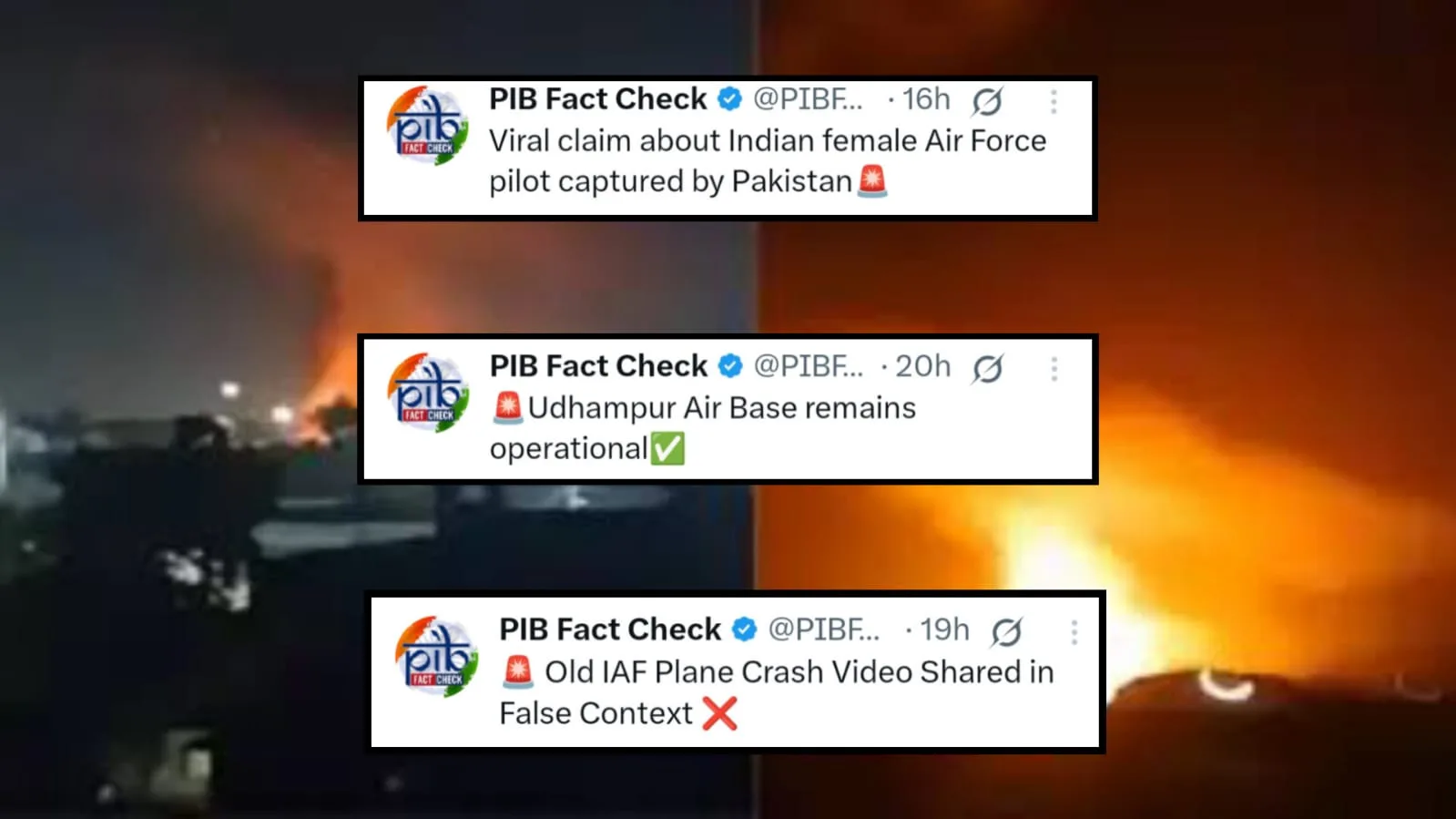
In the wake of Operation Sindoor, India’s retaliatory airstrikes against terrorist camps in Pakistan following a deadly attack in Pahalgam, a wave of misinformation has flooded social media platforms, aiming to sow discord and incite panic within India. The Press Information Bureau (PIB) has identified and debunked over 40 instances of fake news, largely originating from Pakistan-based sources. These fabricated narratives range from claims of crippling cyberattacks on India’s power grid to fabricated drone strikes on religious sites and concocted stories of military setbacks. The coordinated disinformation campaign underscores the evolving nature of modern conflict, where information warfare plays a crucial role in shaping public perception and potentially destabilizing nations.

The misinformation campaign began shortly after Operation Sindoor was launched on May 10, 2025. India’s precision airstrikes, a response to the April 22nd terrorist attack in Pahalgam that claimed 26 lives, were quickly followed by a surge of fake news originating from Pakistani social media accounts. These accounts propagated false narratives designed to incite unrest and confusion within India, exploiting the heightened tensions and anxieties surrounding the conflict. The PIB’s Fact Check Unit has been working tirelessly to identify and debunk these false narratives, highlighting the crucial role of fact-checking organizations in combating disinformation during times of conflict.

The sheer variety of fake news circulating online is staggering. Fabricated videos depict Indian soldiers abandoning their posts, while doctored images portray explosions near major airports and military bases. False reports of downed aircraft, destroyed infrastructure, and captured pilots have also been widely circulated. Many of these fabricated narratives leverage old or unrelated content, cleverly manipulated and recontextualized to deceive the public. The PIB has exposed instances where videos from video games, past accidents, and even events in other countries have been falsely attributed to the current India-Pakistan conflict.

The Ministry of Electronics and Information Technology (MeitY), recognizing the gravity of the situation, issued a cybersecurity advisory on May 10, 2025, urging citizens to exercise caution online and avoid falling prey to misinformation. The advisory stressed the importance of verifying information from official sources and emphasized the role of responsible digital citizenship in maintaining national security. The PIB also issued specific rebuttals to several prominent fake news stories, including a false claim of an Indian drone attack on the Nankana Sahib Gurdwara, a revered Sikh shrine in Pakistan. This particular falsehood aimed to exploit religious sensitivities and potentially incite communal tensions within India.

Among the debunked narratives are claims that a Pakistani cyberattack disabled 70% of India’s electricity grid, that the Delhi-Mumbai air route was closed, and that India’s S-400 missile defense system was destroyed. Each of these claims, meticulously debunked by the PIB, highlights the calculated nature of the disinformation campaign, targeting critical infrastructure and national security assets to undermine public confidence and create a sense of vulnerability. The PIB’s efforts in debunking these narratives underscores the need for robust fact-checking mechanisms to counter the spread of misinformation, particularly during sensitive geopolitical situations.

Examples of the debunked fake news include a video purporting to show Indian soldiers crying and deserting their posts, actually an old and unrelated clip. Another fabricated story claimed Al Jazeera reported explosions near Srinagar Airport, a claim refuted by both the PIB and Al Jazeera itself. Similarly, a rumour of an explosion near Jaipur Airport was also debunked. These instances illustrate the range of tactics employed in the disinformation campaign, from manipulating existing footage to creating entirely fabricated narratives. The continuous debunking of these claims by the PIB demonstrates the importance of critical thinking and media literacy in navigating the complex information landscape of the digital age.

The continued propagation of fake news highlights the challenges faced by governments and individuals in combating disinformation in the digital age. The speed and reach of social media platforms make it incredibly difficult to control the spread of false narratives, particularly when those narratives tap into existing anxieties and prejudices. The PIB’s efforts, while commendable, underscore the need for a multi-pronged approach to tackle the issue. This includes promoting media literacy, strengthening fact-checking mechanisms, and holding social media platforms accountable for the content shared on their platforms. As tensions persist between India and Pakistan, the battle against fake news will likely remain a critical front in the larger conflict.

Share. Facebook Twitter Pinterest LinkedIn WhatsApp Reddit Tumblr Email

Read More

Here are a few formal options, depending on the specific context (e.g., a case study title, a project heading, or a business proposal section).

Option 1: Direct & Definitive (Best for Case Studies)

The Client’s Critical Challenge: An Analysis of Key Obstacles

Option 2: Strategic & Analytical (Best for Proposals)

Understanding the Client’s Obstacle: A Strategic Assessment

Option 3: Diplomatic & Professional (Best for Internal Reports)

Navigating Client Issues: A Review of Operational Hurdles

Option 4: Action-Oriented (Best for Problem-Solving Documents)

Addressing the Client’s Situation: Identifying and Resolving Constraints

Option 5: The Strongest Single Phrase (If you need a stand-alone title)

Client Obstacle Assessment

My recommendation for a one-line title that is both formal and specific is:

The Client’s Challenge: Identifying Key Constraints and Solutions.

August 25, 2026

Exclusive: Andrew McGinley Expresses Empathy for Lindsay Clancy Over Online Misinformation and Falsehoods

August 25, 2026

Misinformation Regarding Avian Influenza Spreads After Confirmed Case

August 25, 2026
Add A Comment
Leave A Reply Cancel Reply

Our Picks

Malicious Disinformation Campaigns Target Australian Swimmers and Their Olympic Competitors

August 25, 2026

Here are a few formal options, depending on the specific context (e.g., a case study title, a project heading, or a business proposal section).

Option 1: Direct & Definitive (Best for Case Studies)

The Client’s Critical Challenge: An Analysis of Key Obstacles

Option 2: Strategic & Analytical (Best for Proposals)

Understanding the Client’s Obstacle: A Strategic Assessment

Option 3: Diplomatic & Professional (Best for Internal Reports)

Navigating Client Issues: A Review of Operational Hurdles

Option 4: Action-Oriented (Best for Problem-Solving Documents)

Addressing the Client’s Situation: Identifying and Resolving Constraints

Option 5: The Strongest Single Phrase (If you need a stand-alone title)

Client Obstacle Assessment

My recommendation for a one-line title that is both formal and specific is:

The Client’s Challenge: Identifying Key Constraints and Solutions.

August 25, 2026

Exclusive: Andrew McGinley Expresses Empathy for Lindsay Clancy Over Online Misinformation and Falsehoods

August 25, 2026

Experts to Examine Social Media’s Effects on Adolescent Brain Development Amid Ongoing Meta Litigation

August 25, 2026
Stay In Touch
  • Facebook
  • Twitter
  • Pinterest
  • Instagram
  • YouTube
  • Vimeo

Don't Miss

Disinformation

Russian AI Deepfake Disseminates False Utility Claims in Sumy, Ukraine

By Press RoomAugust 25, 20260

A newly identified AI-generated video targeting residents of Sumy has become the latest evidence of…

Misinformation Regarding Avian Influenza Spreads After Confirmed Case

August 25, 2026

Experts to Examine Social Media’s Impact on Neurodevelopment Amid Ongoing Meta Litigation

August 25, 2026

Amnesty International Reports Meta’s Failure to Detect Disinformation in Brazilian Electoral Advertisements.

August 25, 2026
DISA
Facebook X (Twitter) Instagram Pinterest
  • Home
  • Privacy Policy
  • Terms of use
  • Contact
© 2026 DISA. All Rights Reserved.

Type above and press Enter to search. Press Esc to cancel.