


Liverpool Parade Ramming: Paul Doyle Charged, Disinformation Spreads Online
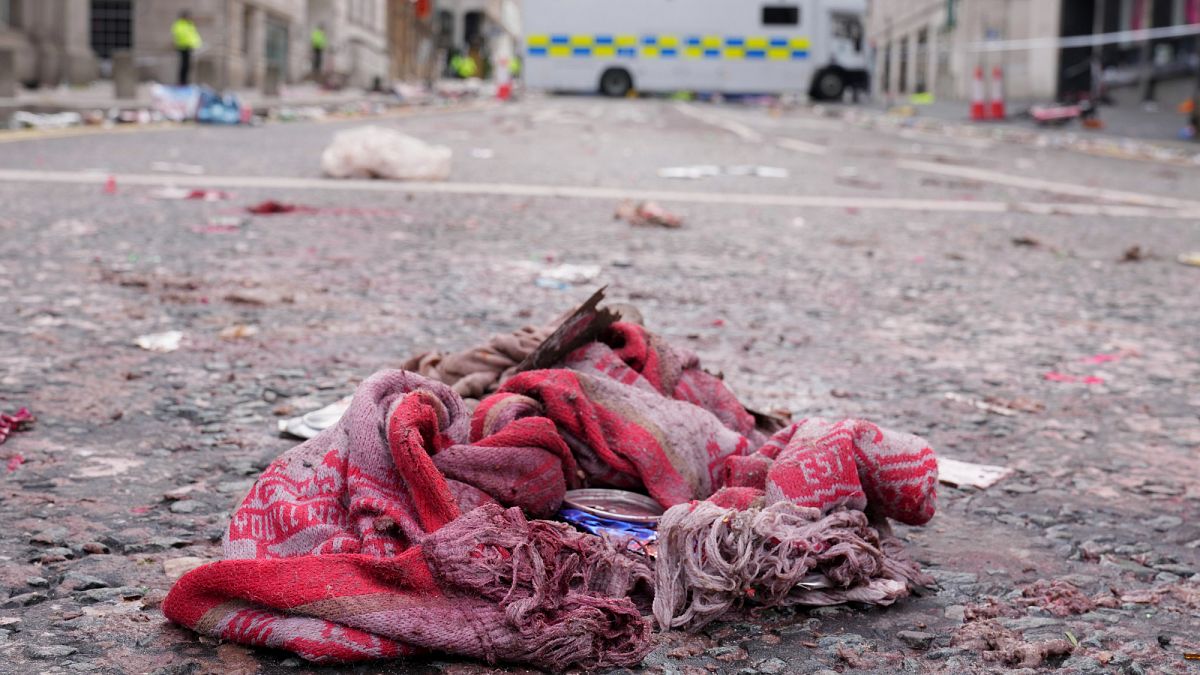
A week after a car crashed into crowds celebrating Liverpool Football Club’s Premier League victory, turning jubilant scenes into chaos and injury, authorities have charged Paul Doyle, a local resident, with intentionally causing grievous bodily harm and six other serious offenses. The incident, which injured nearly 80 people ranging in age from nine to 78, marred the city’s celebration of Liverpool’s 20th Premier League title. Police believe Doyle deliberately followed an ambulance to bypass roadblocks and gain access to Water Street, which had been closed for the parade.
Merseyside Police acted swiftly to identify the suspect as a 53-year-old white British male from the Liverpool area, quickly dismissing terrorism as a motive and stating their belief that he acted alone. This rapid response was lauded by experts, recalling a previous incident in Southport where delayed information fueled disinformation and ultimately led to civil unrest. The police aimed to preemptively quell speculation and prevent similar escalation in Liverpool.
Despite the police’s proactive approach, false narratives surrounding the suspect’s identity rapidly proliferated on social media platforms. Misleading posts, appearing shortly after the incident, falsely claimed a younger, non-white individual was the driver, accusing the police of a cover-up. These posts included a screenshot taken from a TikTok video filmed earlier during the parade, depicting a man playfully interacting with police officers. The video’s location, James Street, was confirmed as part of the parade route, further debunking the false claims. Despite being debunked, these posts persisted on platforms like X (formerly Twitter) without adequate fact-checking labels.
Another widely circulated video showing a man struggling with police at the scene was also misrepresented as the detained suspect. This claim, too, was refuted by Merseyside Police, who confirmed the man in the video was not Doyle. These instances highlight the rapid spread of misinformation and the challenges in controlling its proliferation, even with swift and transparent communication from authorities.
The incident underscores the vulnerability of celebratory events to unforeseen acts of violence and the subsequent susceptibility to misinformation campaigns online. Law enforcement’s prompt response aimed to minimize public anxiety and maintain order, but the persistent spread of false narratives demonstrates the potent and rapid nature of online misinformation. The case also emphasizes the critical role of media literacy and responsible social media engagement in combating the spread of false information.
Further investigation revealed details about the suspect’s background, identifying him as a former Royal Marine, father of three, and local businessman. While the motive for his actions remains unclear, the legal process will continue to unfold as Doyle faces charges related to the incident. The incident serves as a stark reminder of the need for vigilance both in physical spaces and online, urging caution and critical evaluation of information encountered on social media, particularly during times of heightened emotions and breaking news.