


Oklahoma Education Standards Embroiled in Controversy Over Election Conspiracy Theories and Conservative Influence
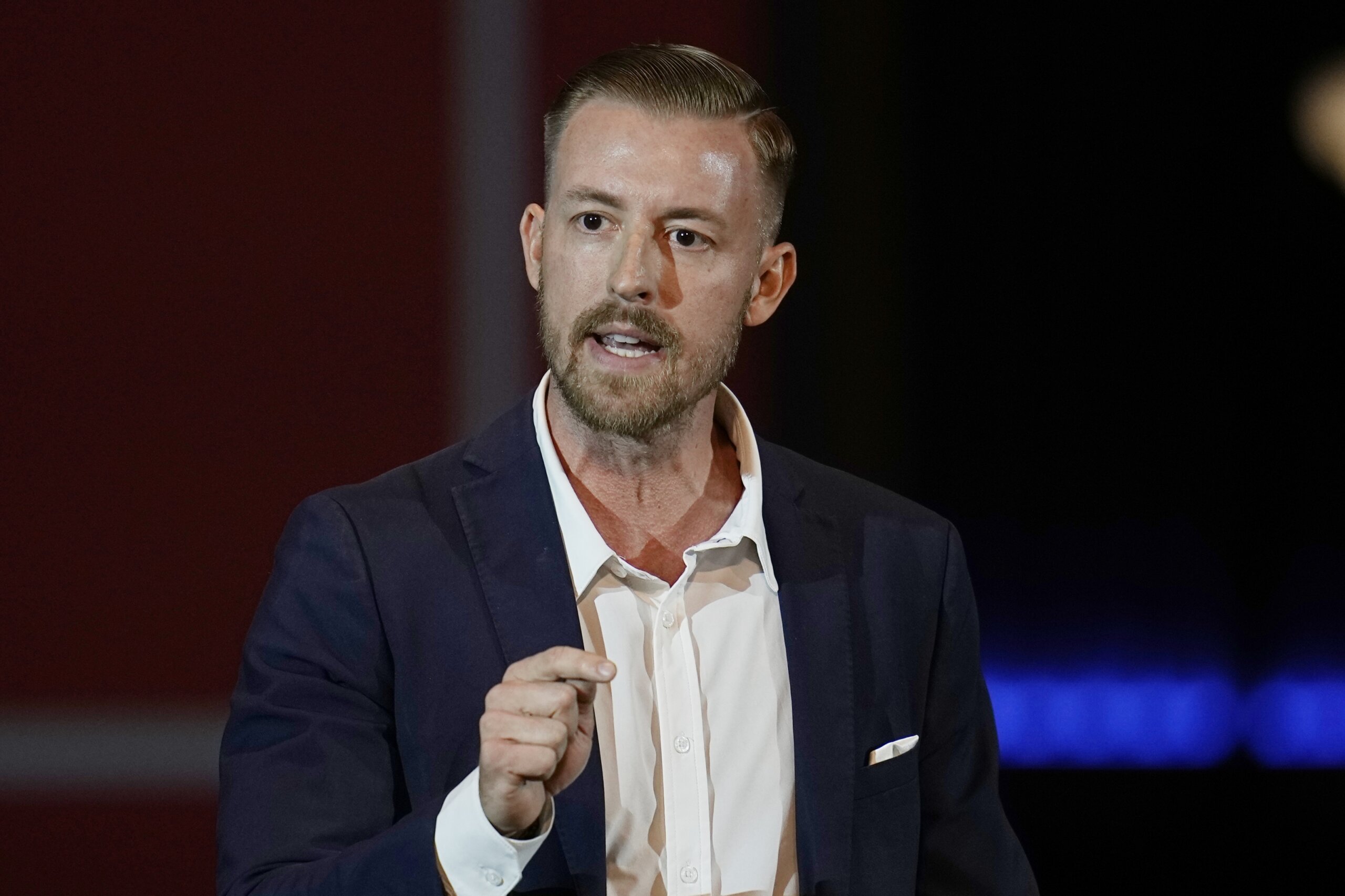
Oklahoma’s newly revised K-12 social studies standards have ignited a firestorm of controversy, injecting conspiracy theories about the 2020 presidential election into the curriculum. Championed by State Superintendent Ryan Walters, a staunch conservative Republican, the standards represent a significant departure from previous iterations, raising concerns about the politicization of education and the dissemination of misinformation. Walters, who has spent his tenure praising former President Trump and battling perceived "wokeness" in schools, defends the changes as a move away from "left-wing indoctrination" and towards a more accurate understanding of history.
The inclusion of election conspiracy theories is the most contentious aspect of the revised standards. While the previous framework simply called for examining "issues related to the election of 2020 and its outcome," the new version directs students to "identify discrepancies" in the results. Specifically, it encourages scrutiny of "sudden halting of ballot-counting," "security risks of mail-in balloting," "sudden batch dumps," and other unsubstantiated claims that have been widely debunked by election officials and courts across the country. This language has sparked widespread alarm, even among some Republican lawmakers who fear the standards are promoting misinformation.
Beyond election-related controversies, the new standards also incorporate a greater emphasis on the Bible and what Walters terms "American exceptionalism." Critics contend that these additions represent a biased perspective and lack historical nuance. The inclusion of a statement asserting that the COVID-19 virus originated in a Chinese lab further fuels concerns about the injection of partisan talking points into the curriculum. A lawsuit filed by parents and educators challenges the legality of the standards, arguing that they were not properly reviewed and represent a distorted view of social studies.
Walters’ defense of the standards rests on the claim that they promote critical thinking by encouraging students to examine events and draw their own conclusions. However, critics argue that the slanted phrasing of the standards subtly steers students towards a predetermined interpretation of events. The inclusion of language echoing baseless claims made by former President Trump and his allies has led many to believe that the standards are designed to promote a specific political narrative.
The revised standards were developed by a committee largely composed of out-of-state conservative pundits and figures from right-wing think tanks, raising further concerns about the influence of partisan ideology on education. Among the appointees were Kevin Roberts of The Heritage Foundation, a key figure in the conservative movement’s Project 2025, and Dennis Prager, founder of the conservative nonprofit PragerU. These appointments underscore the extent to which the new standards reflect a specific political agenda.
The controversy surrounding the Oklahoma social studies standards reflects a broader national debate over the role of politics in education. Critics argue that injecting partisan narratives into the curriculum undermines the integrity of public education and risks indoctrinating students. While some teachers express confidence in their ability to navigate the new standards and present a balanced perspective, others fear that the changes will embolden educators with partisan agendas to impose their beliefs on students, particularly in more conservative areas of the state. The political pressure surrounding the standards is evident in the unsuccessful attempt by some Republican lawmakers to reject them, a move that was ultimately thwarted by intense opposition from pro-Trump groups like Moms for Liberty, who threatened lawmakers with primary challenges. This incident highlights the increasingly politicized environment surrounding education policy and the power of conservative activist groups to influence decision-making.