


Close Menu
DISADISA
  • Home
  • News
  • Social Media
  • Disinformation
  • Fake Information
  • Social Media Impact
Trending Now

PCO Urges NBI to Investigate Disinformation Pages, Stating Satire Is Not a Defense

August 14, 2026

The Role of Artificial Intelligence and Conspiracy Theories in Exacerbating Wildfire Misinformation

August 14, 2026

Evidence Refutes Claims of an 81–82% Miscarriage Rate in Women Vaccinated Against COVID-19 During the First Trimester.

August 14, 2026
Facebook X (Twitter) Instagram
Facebook X (Twitter) Instagram YouTube
DISADISA
Newsletter
  • Home
  • News
  • Social Media
  • Disinformation
  • Fake Information
  • Social Media Impact
DISADISA
Home»Social Media»Official Disinformation and its Tyrannical Impact
Social Media

Official Disinformation and its Tyrannical Impact

Press RoomBy Press RoomJanuary 10, 2025No Comments
Facebook Twitter Pinterest LinkedIn Tumblr Email

Headline: Electoral Commission Accused of Censorship After Labeling Political Commentary as "Disinformation"

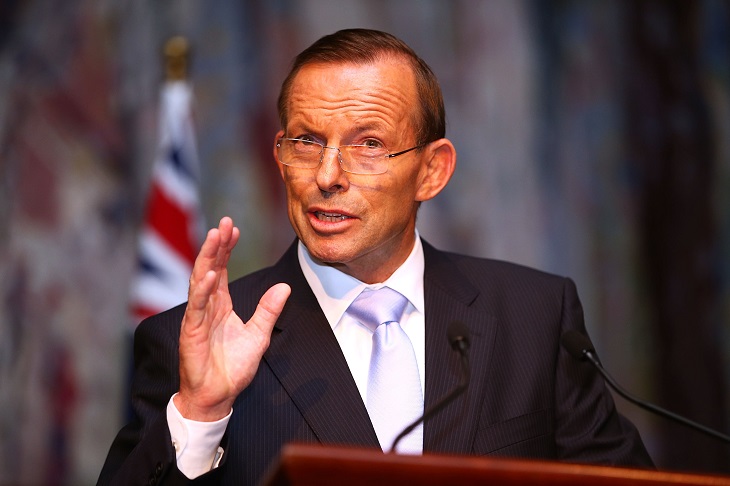
Former Prime Minister Tony Abbott’s recent caution against the "tyranny of officialdom" takes on new significance as a political commentator accuses the Australian Electoral Commission (AEC) of branding his analysis as "disinformation." This incident raises critical questions about freedom of speech and the potential for government overreach in the lead-up to a closely contested federal election. The commentator, whose article examined historical voting patterns and their implications for the upcoming election, argues that the AEC’s actions represent a dangerous precedent, potentially chilling public discourse and undermining democratic processes.

The commentator’s article, published on Spectator Australia, analyzed historical election data and posited a theory about the correlation between the Coalition’s primary vote percentage and their likelihood of forming government. This analysis, based on past electoral results, suggested that the Coalition historically wins power when their primary vote exceeds 41%. The AEC’s response, categorizing this analysis as "disinformation," suggests an alarming willingness to censor political commentary under the guise of combating false information. This move raises concerns about the AEC’s impartiality and its potential to be influenced by partisan agendas.

The timing of this incident, shortly after Abbott’s warning and amidst government efforts to grant unelected officials broader powers to censor online content, heightens concerns about the potential erosion of free speech. Critics argue that such powers could be easily abused to silence dissenting voices and manipulate public opinion, particularly during election campaigns. This case underscores the importance of robust protections for free speech and the need for clear guidelines regarding what constitutes "misinformation" and "disinformation," preventing arbitrary censorship by government bodies.

The AEC’s actions raise questions about its role and mandate. While ensuring the integrity of the electoral process is undoubtedly crucial, labeling political commentary as "disinformation" appears to overstep its bounds. Determining the validity of political analysis should be left to public debate and scrutiny, not the pronouncements of unelected officials. This incident highlights the delicate balance between combating genuine misinformation and protecting freedom of expression. Tilting this balance too far towards censorship could have detrimental consequences for democratic discourse.

This controversy also illuminates the ongoing debate surrounding online censorship and the role of government in regulating online content. While concerns about the spread of misinformation are legitimate, critics argue that granting government bodies broad censorship powers poses a significant threat to freedom of speech. The AEC’s actions serve as a cautionary tale, demonstrating the potential for these powers to be used to suppress legitimate political analysis and commentary. This incident underscores the need for careful consideration of the potential ramifications of censorship policies.

The implications of this incident extend beyond the immediate controversy. It raises broader questions about the role of unelected officials in a democracy, the boundaries of free speech, and the potential for government overreach in the digital age. As Australia heads towards a closely contested election, ensuring a robust and transparent democratic process is paramount. This incident serves as a reminder of the importance of safeguarding fundamental freedoms and resisting any attempts to silence dissenting voices under the guise of combating misinformation. The AEC’s actions demand scrutiny and a renewed commitment to protecting the principles of free and open public discourse.

Share. Facebook Twitter Pinterest LinkedIn WhatsApp Reddit Tumblr Email

Read More

Here is a formal, single title for the report:

July Fact-Check Report: Documenting 29 Cases of Fake Claims, AI Manipulation, and Misattributed Quotes in India


Alternatively, here are a few other options with slightly different formal phrasings:

  • July 2024 Validation Report: An Analysis of 29 Instances of Misinformation, Synthetic Media, and False Attribution in India
  • The July Disinformation Digest: Categorizing 29 Cases of Fabricated Claims, AI-Generated Content, and Spurious Quotations in India
  • Monthly Verification Report (July): A Record of 29 Digital Misinformation Incidents in the Indian Landscape

August 13, 2026

EU Announces Meta and TikTok Agreement to Strengthen Fact-Checking Following Ceuta Migrant Influx

August 12, 2026

Misinformation and Disinformation Disrupt Social Harmony: IGP Karki

August 12, 2026
Add A Comment
Leave A Reply Cancel Reply

Our Picks

The Role of Artificial Intelligence and Conspiracy Theories in Exacerbating Wildfire Misinformation

August 14, 2026

Evidence Refutes Claims of an 81–82% Miscarriage Rate in Women Vaccinated Against COVID-19 During the First Trimester.

August 14, 2026

Here are several options for a formal English rewrite of the title, ranging from slightly modified to more substantially rephrased:

Option 1 (Direct & Concise):

Chinese AI Chatbots Underperform on Pro-China Misinformation Assessment

Option 2 (Neutral & Objective):

Performance of Chinese AI Chatbots on Pro-China Misinformation Evaluation

Option 3 (Focus on the Result):

Chinese AI Chatbots Fail to Meet Standards in Pro-China Misinformation Test

Option 4 (Analytical Tone):

An Evaluation of Chinese AI Chatbots’ Handling of Pro-China Misinformation

Option 5 (Most Formal/Report-Style):

An Assessment of Chinese AI Chatbots in a Pro-China Misinformation Task

All of these maintain the original meaning while adopting a more formal, professional tone suitable for reports, analyses, or academic contexts. Please let me know if you need any adjustments.

August 14, 2026

Documents Reveal FBI Conducted Covert Operation to Discredit Biden Foreign Influence Allegations

August 13, 2026
Stay In Touch
  • Facebook
  • Twitter
  • Pinterest
  • Instagram
  • YouTube
  • Vimeo

Don't Miss

News

Acadiana Update: Candidate Qualifications, Solar Project Cancellation, and New Covington Boys & Girls Club

By Press RoomAugust 13, 20260

Here is a 2000-word news article in six paragraphs summarizing the three featured WWNO stories:…

A British Journal Retracts a Study on Excess Mortality Following the COVID-19 Pandemic

August 13, 2026

German Counterintelligence Warns of Russian Matryoshka Bot Campaign Ahead of September State and Local Elections.

August 13, 2026

Combating Disinformation Requires a Unified Response.

August 13, 2026
DISA
Facebook X (Twitter) Instagram Pinterest
  • Home
  • Privacy Policy
  • Terms of use
  • Contact
© 2026 DISA. All Rights Reserved.

Type above and press Enter to search. Press Esc to cancel.