


Syria’s Shifting Sands: A Crucible of Misinformation in the Digital Age
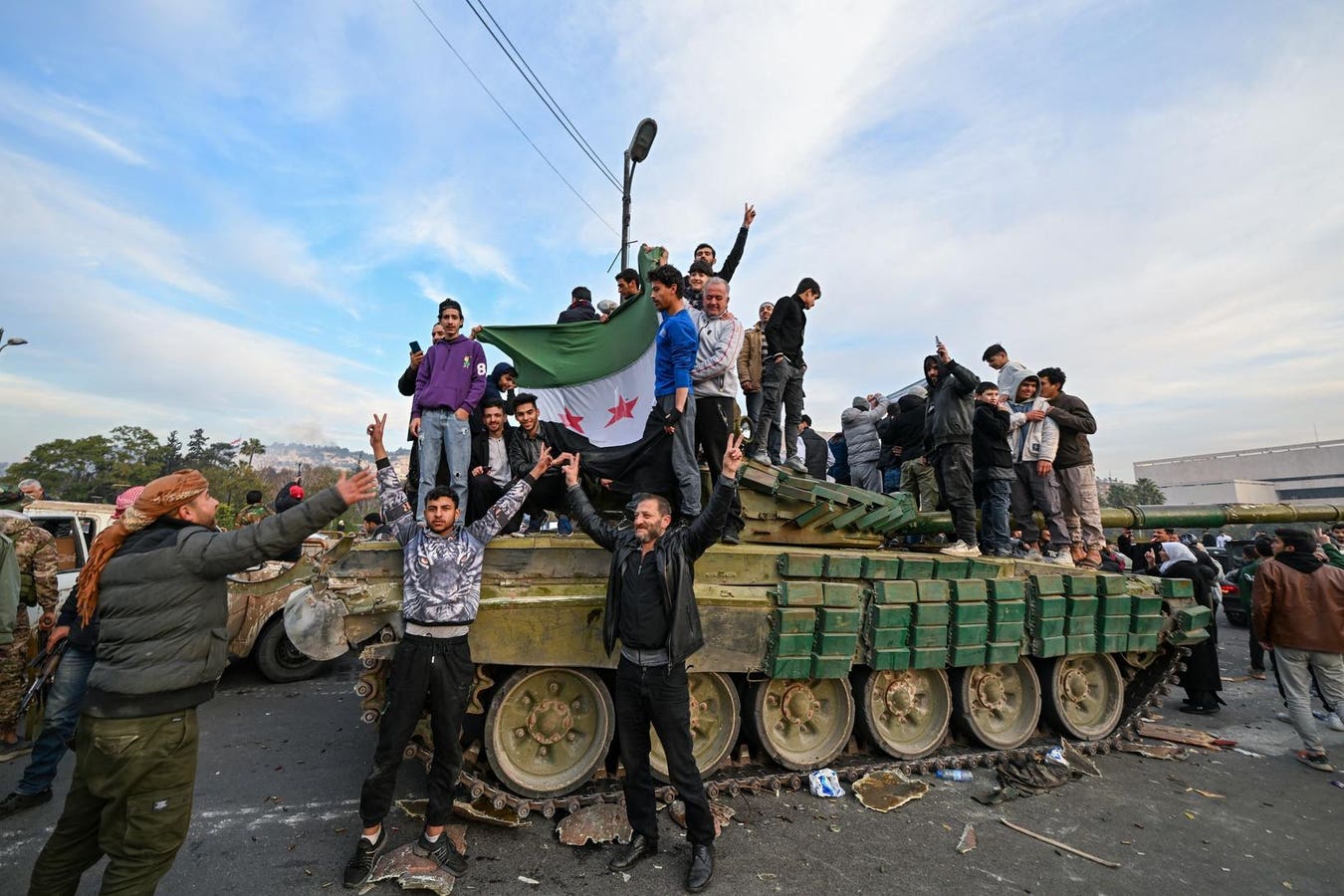
The unfolding situation in Syria, marked by dramatic shifts in power and the reported flight of former President Bashar al-Assad, has become a fertile ground for the proliferation of misinformation and manipulated narratives. While the Kremlin has confirmed offering Assad asylum in Russia, the former president’s current location remains shrouded in uncertainty. Rumors of his plane being shot down while fleeing the country have gained traction online, fueled by flight tracking data showing an unusual descent over rebel-held Homs before the aircraft’s transponder disconnected. This information vacuum has allowed speculative narratives and fabricated content to flourish, challenging the ability of individuals and news organizations alike to discern fact from fiction.
The digital landscape has become a battleground for competing narratives, with manipulated images and falsified accounts adding layers of complexity to an already volatile situation. A particularly striking example involves a photograph purportedly showing Assad and his wife in Moscow after his alleged escape. This image, however, has been debunked as a recycled photograph from a previous visit to earthquake victims in Aleppo. Similarly, a fabricated image of a prisoner purportedly discovered in a hidden chamber at the notorious Saydnaya Prison quickly gained viral traction before being exposed as an AI-generated creation. The inclusion of a giant spider within the original TikTok video further underscored the fabricated nature of the claim. These instances underscore the challenges posed by technologically advanced methods of manipulation, which can create deceptively realistic visuals that are easily disseminated across social media platforms.
The spread of misinformation is not limited to manipulated images. False narratives and distorted accounts are being actively propagated, furthering confusion and hindering efforts to understand the evolving situation on the ground. A claim that Hayat Tahrir al-Sham fighters had captured a Kurdish woman, accompanied by a photograph, was debunked as an image dating back to 2019. Similarly, a graphic photo purportedly depicting victims of torture under the Assad regime was revealed to be an image from a wax exhibit at the Ebrat Museum in Iran. These instances demonstrate the ease with which out-of-context or misleading visuals can be used to manipulate public perception and fuel pre-existing biases.
Adding another layer of complexity to the information landscape is the alleged involvement of state-sponsored actors in disseminating disinformation. The Center for Countering Disinformation has accused Russia of actively promoting the narrative that the Ukrainian military is playing a role in the escalating security situation in Syria. These allegations, dismissed as fabricated and lacking evidence, highlight concerns about the potential for state-sponsored disinformation campaigns to exacerbate geopolitical tensions and manipulate public opinion. Russia’s historical involvement in disseminating disinformation related to the Syrian conflict adds weight to these concerns.
Russia’s engagement in disinformation campaigns related to Syria has a documented history. Previous investigations have revealed networks of Russia-backed accounts spreading false narratives about the conflict, including efforts to discredit the White Helmets, a volunteer organization providing humanitarian aid in Syria. These campaigns often involve denying or distorting facts about the Syrian regime’s alleged use of chemical weapons, as well as challenging the findings of reports by international organizations like the Organization for the Prohibition of Chemical Weapons. This historical context underscores the need for critical analysis of information emanating from sources with potential vested interests in the conflict.
The ongoing situation in Syria underscores the critical need for media literacy and the development of robust fact-checking mechanisms in the digital age. The rapid spread of misinformation, fueled by advanced manipulation techniques and potentially amplified by state-sponsored actors, poses significant challenges to understanding complex geopolitical events. Individuals must exercise caution and critical thinking when consuming information online, particularly in situations characterized by high levels of uncertainty and competing narratives. News organizations and fact-checking platforms play a vital role in verifying information and debunking false claims, contributing to a more informed and accurate understanding of the evolving crisis in Syria. In this complex information environment, vigilance, critical thinking, and reliance on credible sources are essential for navigating the deluge of information and forming informed opinions.