


# Nepal Battles Flood of Misinformation Amid Deadly Disaster
## Government Cracks Down on Fake Content Following Catastrophic Floods
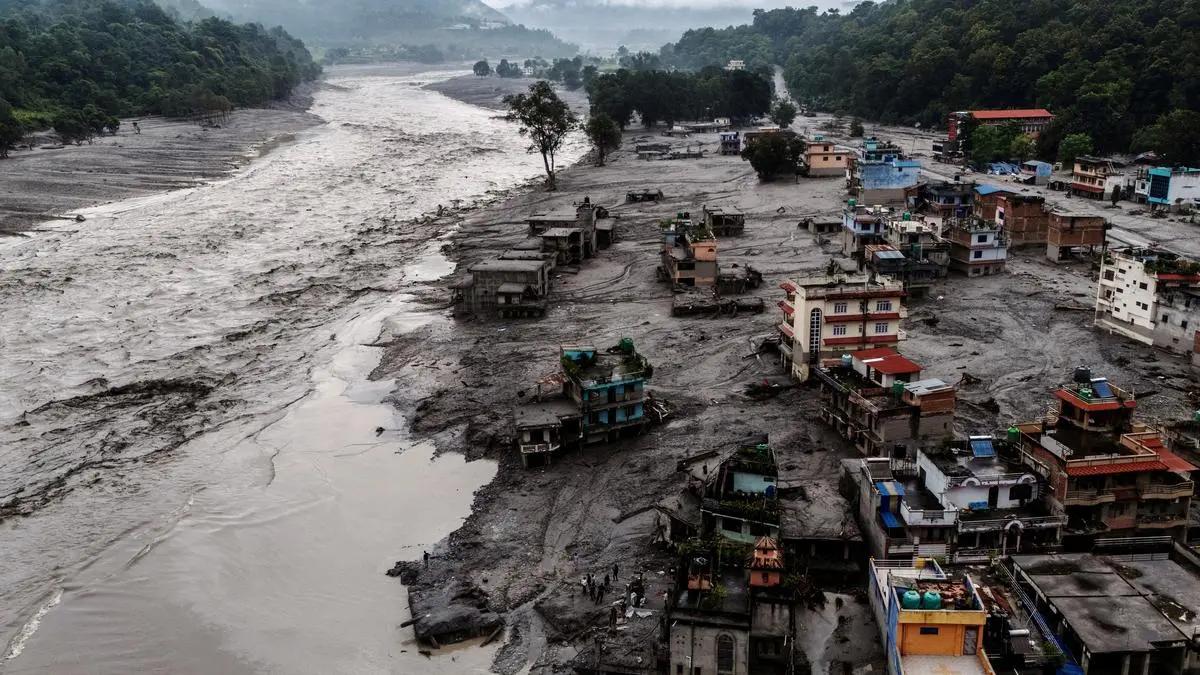
Nepal is facing a dual crisis in the wake of devastating flash floods and mudslides that have claimed hundreds of lives, as authorities struggle to combat a parallel surge of misinformation spreading across social media platforms. The disaster, which struck the Himalayan nation on August 26, has been compounded by the rapid dissemination of fake news, AI-generated imagery, and recycled footage from unrelated events, creating confusion and hampering relief efforts. The Nepal Press Council has been forced to take unprecedented action, opening a dedicated portal for reporting inappropriate content and issuing directives for the removal of misleading posts that have proliferated in the disaster’s aftermath.
## Official Response and Regulatory Action
The Nepal Press Council, the country’s media regulatory body, has launched a specialized online platform titled “Special Complaints on the Bhotekoshi Incident” to address the growing problem of misinformation. According to reports from The Kathmandu Post, the portal has already received 101 complaints by Saturday evening, with authorities identifying 72 social media users who have been instructed to remove inappropriate content. The majority of these complaints, numbering 67, were directed against personal accounts that had shared graphic visuals and unverified information about the disaster. Chairman Umesh Shrestha confirmed that actions have been taken against these accounts, while also noting that some online news portals and their social media pages have faced similar complaints.
## Widespread Circulation of False Content
The scale of misinformation has proven particularly challenging, with fact-checkers identifying numerous instances of fake content circulating widely across platforms. The Nepal Press Council chief acknowledged the problem while expressing cautious optimism about the response from mainstream media. “Mainstream media organisations have largely avoided publishing misleading information and excessively graphic visuals,” Shrestha stated, calling this adherence to journalistic standards “a positive takeaway” from the crisis. However, the same cannot be said for individual content creators and social media users, who have been responsible for the bulk of misleading content that has complicated the information environment during this critical time.
## Fact-Checkers Uncover AI-Generated Content
Professional fact-checkers have been working overtime to debunk the most egregious examples of misinformation. Nepal Fact Check, a prominent fact-checking website, has identified several viral posts as either false or misleading. One particularly notable case involved a video purportedly showing Home Minister Sudan Gurung inside a tunnel during rescue operations, which was actually traced back to a different incident involving a tunnel rescue in Uttarakhand, India. The footage had originally been posted by the Fire Service Uttarakhand Police on August 14, weeks before the Nepal floods. This example highlights how unrelated content can be quickly repurposed and presented as evidence of events that never occurred, exploiting public concern and attention during national emergencies.
## AI Technology Fuels Misinformation Crisis
The role of artificial intelligence in the current misinformation crisis represents a new challenge for fact-checkers and regulatory authorities. One viral video posted on August 27, which claimed to show catastrophic flooding and had amassed more than seven million views, was analyzed using AI detection tools and found to have a 97.2% likelihood of being generated entirely by artificial intelligence. The analysis was confirmed by X’s community notes system, which also flagged the content as fabricated. Another video purporting to show a bridge collapsing during the Nepal-Tibet flooding was similarly determined to be completely AI-generated, demonstrating how advanced technology has made it easier than ever to create convincing but entirely fabricated content that can quickly gain widespread traction.
## Ongoing Problem of Recycled and Misattributed Content
Beyond AI-generated material, fact-checkers have also documented numerous instances of recycled footage being falsely attributed to the current disaster. One video claiming to show a glacial lake outburst flood (GLOF) in Rasuwa was traced back to genuine footage from a glacial outburst flood occurring at Columbia Glacier in Alaska, United States. Similarly, the Australian Associated Press fact-checking unit identified “before and after” photographs presented as evidence of destruction in Rasuwa as fabricated content. Fact-checkers note that while the problem of recycled and falsely attributed disaster footage has existed for years, the growing sophistication of AI tools has added a dangerous new dimension, making it increasingly difficult for ordinary social media users to distinguish between authentic content and sophisticated misinformation designed to manipulate public perception and generate engagement.