


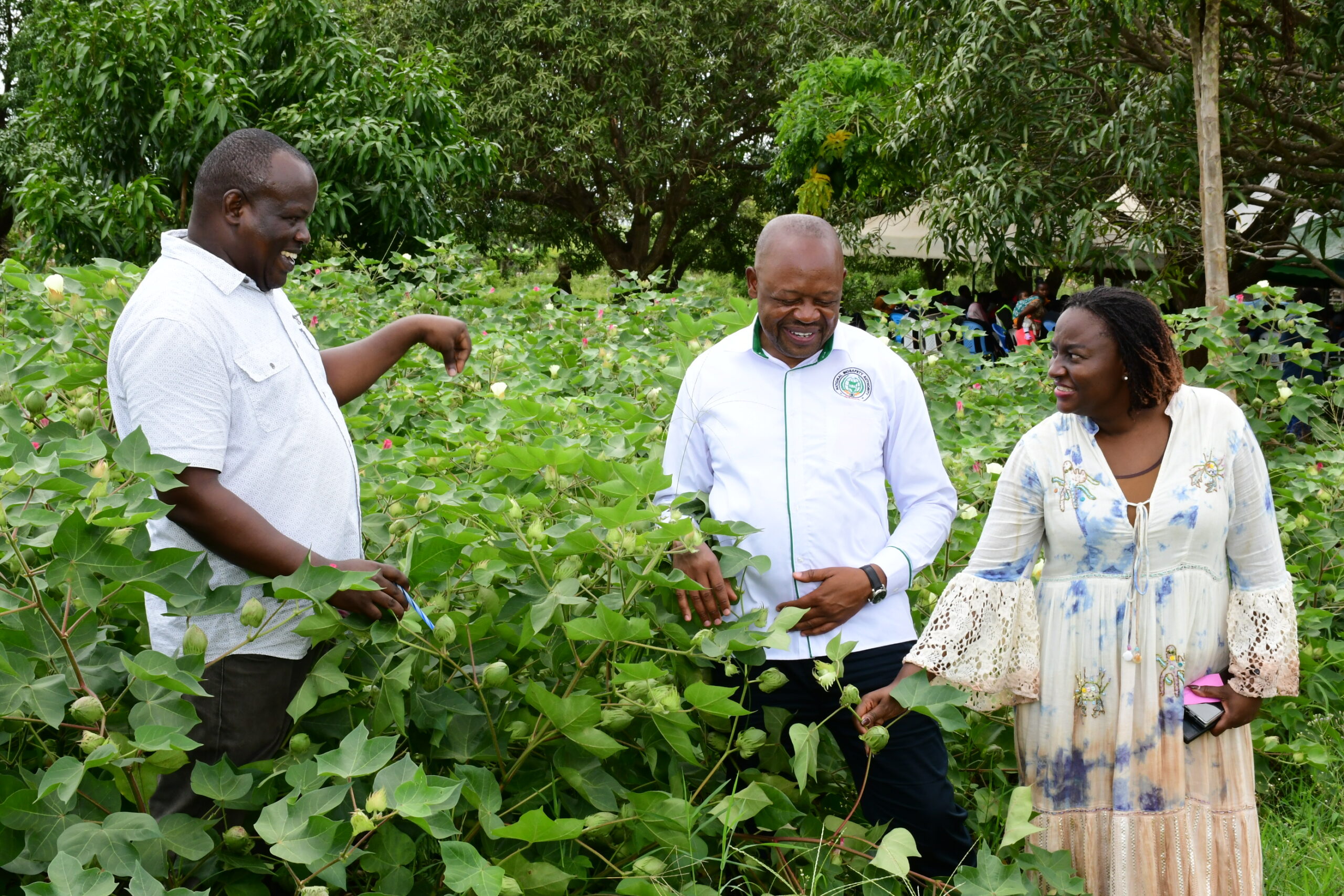
The National Biosafety Authority (NBA) has launched an intensified public sensitization campaign in Kenya’s coastal region, specifically targeting Lamu and Kwale counties, to address the growing tide of misinformation and disinformation surrounding genetically modified organisms (GMOs). The initiative, led by NBA Board Chairman David Wamatsi and Acting Chief Executive Officer Dr. Ann Karimi, represents a significant strategic push by the regulatory body to engage directly with farmers, community leaders, and other stakeholders. The campaign is designed to demystify biotechnology and biosafety concepts, providing accurate, science-based information to counter the often emotional and misleading narratives that have surrounded GMO debates in Kenya. By establishing a physical presence in these coastal communities, the NBA aims to bridge the gap between regulatory science and public understanding, ensuring that citizens make informed decisions based on factual evidence rather than fear or speculation.
During the stakeholder sensitization forums, Wamatsi underscored the crucial mandate of the Authority as the primary regulator of GMOs in Kenya. He emphasized that the NBA’s core focus is the dual protection of human and animal health alongside the preservation of the environment. The Chairman articulated that these community engagements are essential for explaining the Authority’s role, enabling farmers and the public to grasp how GM products are assessed for safety before they ever reach the market or the fields. Dr. Karimi reinforced this message by reiterating the NBA’s unwavering commitment to impartiality. She clarified that, as a regulator, the Authority adopts neither a pro- nor anti-GMO stance; instead, its decisions are strictly anchored in rigorous scientific evaluation, empirical evidence, and the defined legal framework that governs its operations. This positioning is critical in a polarized environment where the regulator is often accused of bias by both proponents and critics of the technology.
The campaign has also drawn support from county-level political leadership, signaling a unified approach to technological adoption in the region. Lamu Deputy Governor Mubarak Mohamed echoed the sentiments of the NBA, stating that Kenya cannot afford to lag behind in global technological advancements. He highlighted the tangible benefits of biotechnology, including its role in disease control and the development of drought-resistant crop varieties, which are particularly vital for agricultural resilience in the face of climate change. This political endorsement is a powerful signal to local communities that embracing scientific innovation is a matter of national and regional progress. Prior to the public forums, the NBA team engaged in high-level discussions with Lamu County Commissioner Stephen Shogolo, providing a comprehensive briefing on the Authority’s ongoing campaigns. This meeting was strategic, ensuring that national government administrative arms in the region are aligned and supportive of the sensitization efforts, thereby facilitating smoother engagement with the grassroots.
The centerpiece of the Kwale County activities was a massive community outreach event titled “Walking for a Biosafe Nation,” a 10-kilometre awareness walk held in the Msambweni Sub-County. The walk, which commenced at Mwabungo and concluded at the Kinondo Social Hall, passed through the popular Galu Beach area, effectively turning a public space into a mobile classroom. The event attracted more than 330 participants who braved the early morning chill, demonstrating a strong community appetite for information regarding GMOs. Commencing at 7am and concluding at 9am, the physical activity was symbolic of the collective journey toward biosafety awareness. Along the route, participants were systematically engaged by NBA officials who explained the Authority’s mandate, the regulatory oversight of GMOs, and the overarching principles of biosafety. This interactive format was deliberately chosen to move beyond abstract rhetoric and create a tangible, memorable connection between the public and the regulatory processes that safeguard their health.
Throughout the walk and the subsequent gatherings, the NBA leadership consistently reiterated the scientific and evidence-based foundation of their regulatory decisions. Wamatsi emphasized that the regulation of GMOs is not arbitrary but is carefully conducted in accordance with Kenyan law and grounded in rigorous scientific research. He urged farmers and stakeholders to view the Authority not as an obstacle, but as a vital ally in ensuring that any biotechnological application is safe, responsible, and beneficial. Dr. Karimi again used the platform to stress the regulator’s neutrality, explaining that the NBA’s role is to assess and oversee GMO activities, ensuring they meet strict safety standards. Her message was clear: the Authority is a science-driven institution that looks at data and risk assessments, not public opinion polls or sensationalized media reports, when determining the safety of a GMO product for release or importation into the Kenyan market.
The event in Kwale was officially flagged off by Msambweni Deputy County Commissioner Josphat Mutisya, who passionately urged the National Biosafety Authority to extend this crucial campaign to every corner of Kenya. His call to action underscores a recognition that the knowledge deficit and misinformation concerning GMOs are not confined to the coast but are a national challenge. The high turnout and the active participation of government officials, farmers, and residents in Msambweni signal a positive reception to the Authority’s outreach. By taking the message directly to the people, the NBA is not only correcting false narratives but also empowering the public to participate meaningfully in the discourse on biotechnology. This proactive communication strategy marks a significant shift from reactive crisis management to constructive engagement, building a foundation of public trust and understanding that is essential for the future of agricultural innovation and food security in Kenya.