


Charlotte-Area Muslim Leaders Respond to Mooresville Mosque Opposition, Call for Dialogue and Understanding
MOORESVILLE, N.C. – A wave of controversy has swept through the Lake Norman community following a contentious town meeting where plans for a new mosque were met with fierce opposition. In the aftermath, Charlotte-area Muslim leaders have stepped forward to address what they describe as a widespread misunderstanding of their faith, urging the public to seek accurate information and engage in open dialogue. The proposed mosque, slated for construction on Singleton Road in Mooresville, has become a flashpoint for debates over religious freedom, community growth, and the perception of Islam in the American South. As the region continues to expand demographically, the Muslim population has grown alongside it, and faith leaders argue that their request for a dedicated place of worship is a fundamental exercise of their constitutional rights. The meeting, held last week, saw emotional testimony from both proponents and opponents, leaving the future of the project uncertain but igniting a broader conversation about tolerance and coexistence in this rapidly diversifying area.
The opposition voiced during the town meeting was stark and, at times, inflammatory. Several speakers took the microphone to express deep-seated fears about the mosque’s presence, with one individual notably describing Islam as an “evil ideology.” Such rhetoric, while not representative of the entire community, underscored the depth of animosity that the proposal has triggered. Opponents raised concerns about potential increases in traffic, changes to the neighborhood’s character, and, in some cases, unfounded allegations about the practice of Sharia law. The atmosphere in the room was tense, with many Muslim residents and allies present feeling alienated and attacked. The comments were not merely about zoning or land use; they delved into theological and cultural criticisms that many attendees found deeply hurtful. For the Muslim families who have lived and worked in the Mooresville area for years, the meeting was a stark reminder of the challenges they still face in being accepted as full members of their community.
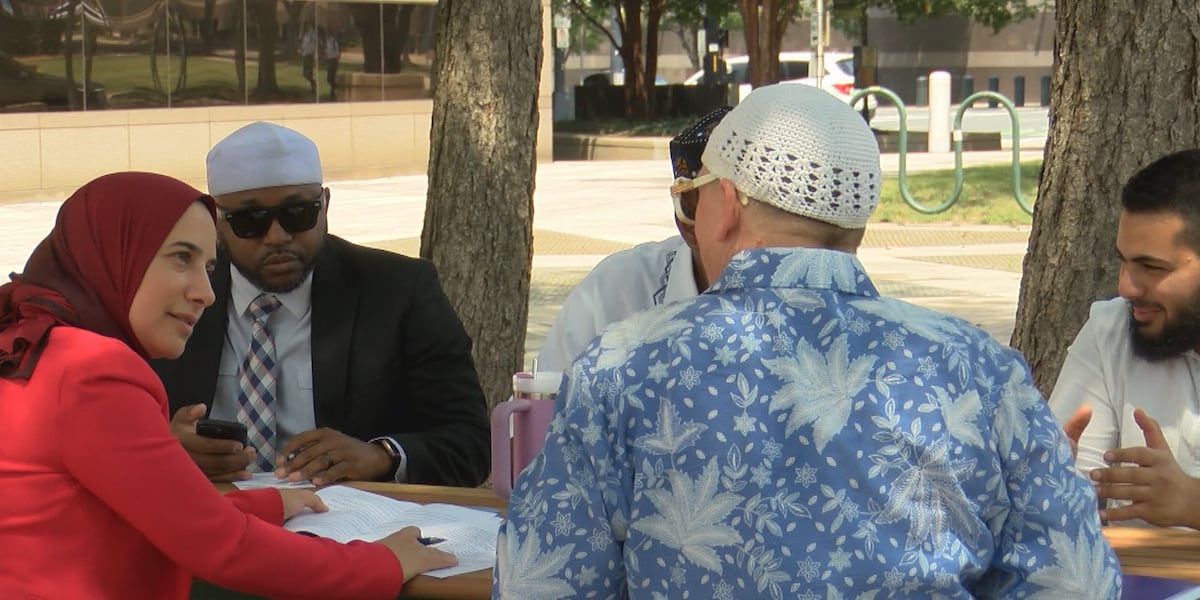
In response, Muslim leaders from across the Charlotte metropolitan region gathered on Tuesday to offer a unified and measured rebuttal. Nasif Ibn Majid, with the Charlotte Muslim Caucus, expressed his disappointment, stating, “Disheartening, disheartening. Just as you can get some true information from the internet, it’s more than likely you can get some false information.” His words highlighted a central theme of their message: the danger of misinformation and the need to distinguish between the actions of a few extremists and the peaceful teachings of the vast majority of Muslims worldwide. Omar Marzouk, another community representative, directly challenged the comparison of Islam to an evil ideology, drawing a parallel to historical injustices within Christianity. “To call Islam an evil ideology and point your fingers at some wrongdoers somewhere across the globe is just as unfair as me vilifying Christianity because of the crimes of the KKK,” he said. These remarks sought to place the criticism in a broader context of religious prejudice and to remind the public that no faith should be judged by the actions of those who pervert its message.
The leaders emphasized that the pushback is rooted in a fundamental misunderstanding of their religion and their community’s intentions. They pointed out that the Islamic Center of Lake Norman has been operating peacefully out of a rented space in Mooresville since 2011, serving as the only Islamic center within a 30-mile radius. The new mosque, they explained, is a natural progression of their growing congregation, which has expanded as the Lake Norman area has experienced significant population growth. The current facility is no longer adequate to meet their needs, and the proposed building would provide a permanent home for worship, education, and community events. Far from being an imposition, the leaders argued, the mosque would be a positive addition to the area, offering opportunities for interfaith dialogue, charitable work, and community building. They stressed that they are not asking for special treatment, but simply for the same rights enjoyed by all Americans, including the right to build a house of worship.
Dr. Hadia Mubarak, a prominent voice in the community, posed a poignant question to her fellow citizens: “Does my decision to wear the hijab mean I deserve less rights as an American citizen?” This query cut to the heart of the matter, challenging the implicit biases that may underlie the opposition. Jibril Hough, with the Islamic Center of Charlotte, reinforced the constitutional argument, stating, “You have many people that are ignorant and push back—’Oh, this is Sharia.’ No, this is not Sharia, this is the Constitution. We just want our rights the same as you have your rights.” Hough’s comments aimed to dispel the misconception that the mosque would be a vehicle for foreign law or political ideology. Instead, he emphasized that the application for a building permit is a purely legal and procedural matter, protected by the First Amendment’s guarantee of religious freedom. The leaders invoked the U.S. Constitution repeatedly, framing their struggle as one for civil rights rather than religious expansion, and appealing to the nation’s founding principles of liberty and justice for all.
Moving forward, the Muslim leaders are adopting a strategy of education and outreach, encouraging community members to bring their questions and concerns directly to them. They believe that face-to-face interaction is the most effective way to dispel myths and build trust. The Charlotte Muslim Caucus and the Islamic Center of Lake Norman are planning open houses, interfaith dialogues, and informational sessions where residents can learn about Islam, tour the current facility, and meet their Muslim neighbors. They are also reaching out to local churches and civic organizations to foster partnerships and mutual understanding. While the controversy may have set back the timeline for the mosque’s construction, the leaders remain hopeful that the dialogue will ultimately strengthen the community fabric. They acknowledge that change is difficult, but they are committed to pursuing their rights through legal and peaceful means. As the debate continues, the eyes of the region are on Mooresville, watching whether this moment of division will become an opportunity for greater unity and respect for religious diversity. The leaders’ message is clear: they are Americans, they are neighbors, and they will not be silenced by fear or misinformation.