


Australia’s Proposed Misinformation Law Sparks Clash with Elon Musk
A proposed law in Australia aimed at combating misinformation and disinformation on social media platforms has ignited a fierce debate, drawing sharp criticism from multibillionaire Elon Musk, owner of the social media platform X (formerly Twitter). The legislation, currently under parliamentary review, seeks to impose hefty fines on social media companies, up to 5% of their annual global revenue, if they fail to effectively address the spread of harmful false information. The Australian government argues that the proliferation of misinformation poses a significant threat to the nation’s security, democracy, and economy, making legislative action imperative.
The proposed law targets major social media platforms like Facebook, X, and TikTok, aiming to compel them to enhance transparency in their content moderation practices related to misinformation. This includes providing clearer insights into the algorithms and processes used to identify and remove false or misleading content. The government contends that this increased transparency is essential to holding these platforms accountable for the information disseminated through their services.
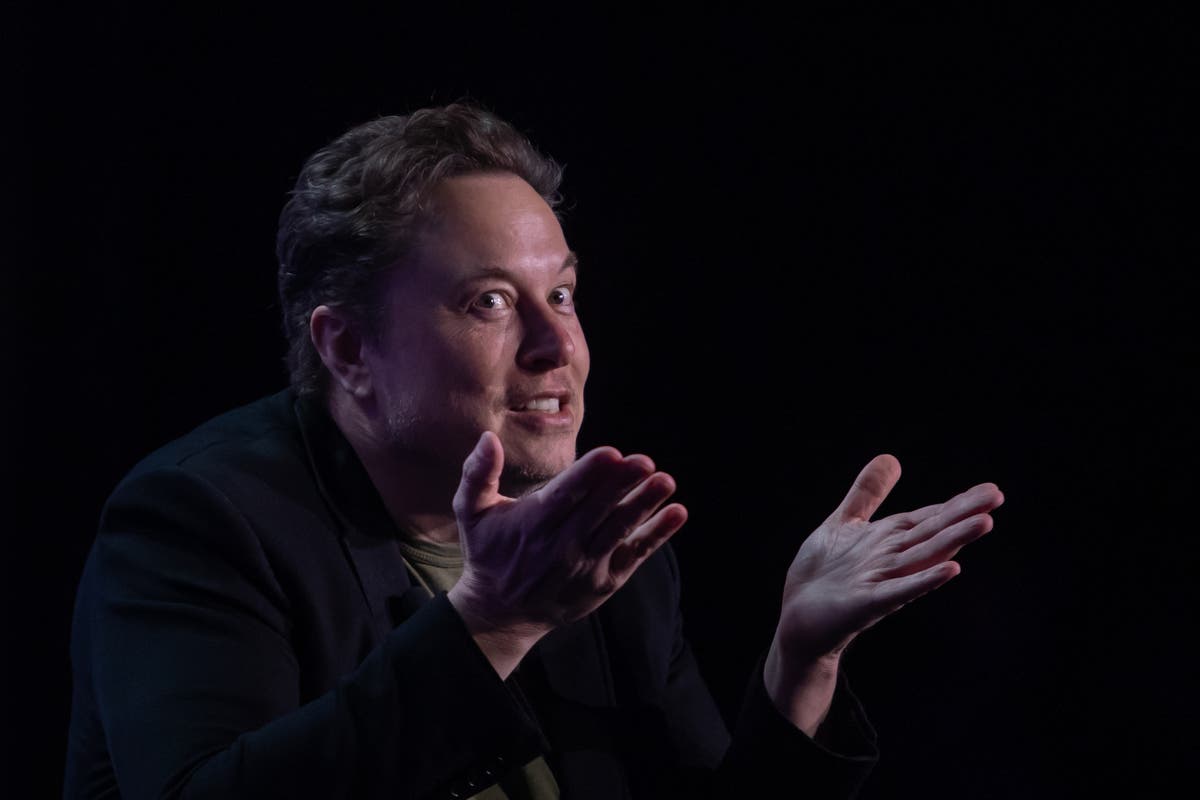
Elon Musk, known for his staunch advocacy of free speech, responded to the proposed law with a single, inflammatory word: "fascists." This blunt accusation sparked immediate condemnation from Australian politicians across the political spectrum. Stephen Jones, Assistant Treasurer, criticized Musk’s statement as "crackpot stuff," emphasizing Australia’s sovereign right to enact laws protecting its citizens from online scams, criminal activity, and the spread of harmful misinformation. He argued that the internet should not be exempt from the laws that govern false or misleading statements in other contexts.
Former Labor Party leader Bill Shorten also criticized Musk’s stance, accusing him of inconsistency in his free speech advocacy. Shorten suggested that Musk’s position on free speech appears to fluctuate based on his commercial interests, championing it when advantageous and dismissing it when inconvenient. This clash highlights the ongoing tension between the principles of free speech and the need to regulate online content to prevent the spread of harmful misinformation.
This latest controversy follows a previous confrontation between Musk and the Australian government regarding online censorship. Earlier this year, an Australian judge ordered X to block posts related to the violent stabbing of a bishop in Sydney. While X initially complied by blocking the posts for Australian users, they remained accessible elsewhere. Subsequently, Australia’s eSafety Commissioner sought a global ban on sharing a video of the stabbing, a move that Musk vowed to fight. Prime Minister Anthony Albanese characterized Musk as an "arrogent billionaire who thinks he is above the law," arguing that seeking the right to disseminate violent content demonstrates a profound disconnect from societal values.
The eSafety Commission eventually dropped its legal challenge to remove the posts, citing cost as the primary reason. However, this incident, coupled with the current debate over the misinformation law, underscores the ongoing and complex struggle to balance free speech with the need to mitigate the harms associated with the spread of misinformation and violent content online. The Australian government’s proposed legislation and Musk’s strong reaction represent two contrasting perspectives on this critical issue, setting the stage for a continuing battle over the future of online content regulation. The outcome of this debate will have far-reaching implications for the balance between free expression and the need to protect individuals and society from the potential harms of misinformation.