


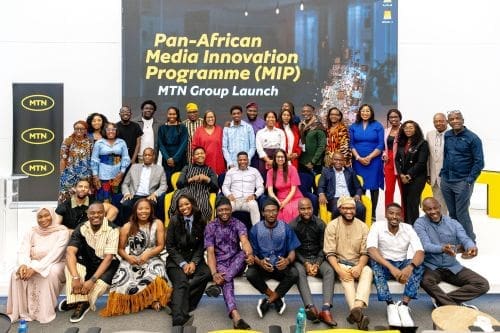
MTN Group Launches Pan-African Media Innovation Program to Combat Disinformation and Empower Journalists
JOHANNESBURG – In response to the escalating threat of disinformation across Africa, MTN Group has unveiled a groundbreaking Pan-African Media Innovation Programme (MIP). Partnering with the University of Johannesburg and the African Editors Forum, the initiative aims to bolster journalism and media literacy across 18 African markets, equipping journalists with the skills and tools necessary to navigate the complex digital landscape. The program represents a significant investment in media capacity building, expanding on a successful pilot program launched in Nigeria in 2022.
The 12-week certified curriculum, launched at MTN’s Johannesburg Innovation Centre, addresses the urgent need for media resilience in the face of “fake news, coordinated disinformation, and fragile business models,” as stated in the program announcement. This comes at a time when content moderation in African languages and dialects poses a significant challenge, leaving the continent vulnerable to the spread of extremist content, misinformation, and potential foreign interference in elections.
The program offers a comprehensive blend of online academic modules and practical experience, covering key areas such as digital transformation, media sustainability, ethics, law, and entrepreneurship. Participants will delve into the impact of emerging technologies on information ecosystems through masterclasses, newsroom visits, and innovation projects. Furthermore, the curriculum emphasizes crucial skills like digital storytelling, fact-checking, data journalism, and ethical reporting in the age of artificial intelligence, aiming to bridge critical skills gaps in African newsrooms. The program also prioritizes journalist safety by providing access to encrypted communication software, recognizing the increasing threats faced by those combating disinformation.
Nompilo Morafo, MTN Group Chief Sustainability and Corporate Affairs Officer, underscored the vital link between digital infrastructure and strong democratic institutions, stating that “Africa’s digital future depends on both the infrastructure we build and the strength of the institutions that foster trust and accountability.” This highlights the program’s broader contribution to continental development goals, going beyond merely technical capacity building. The involvement of the University of Johannesburg ensures academic rigor and relevance to real-world newsroom challenges, helping journalists “navigate disruption and build sustainable models” crucial for the profession’s future. The African Editors Forum welcomed the initiative as a crucial step towards fostering greater resilience, collaboration, and trust within independent media, recognizing journalism’s indispensable role in democratic governance.
Recent research underscores the gravity of disinformation threats facing African democracies. Social media disinformation campaigns have demonstrably influenced voter behavior in Kenya, Nigeria, and South Africa’s recent elections, highlighting the pressing need for enhanced media literacy and fact-checking expertise. The program aligns with the African Union’s Agenda 2063 objectives for inclusive, informed, and democratic societies, complementing regional efforts to protect electoral integrity against misinformation and disinformation. This includes recent workshops hosted by the ECOWAS Network of Electoral Commissions addressing similar challenges.
MTN’s continental approach reflects the growing recognition that media challenges transcend national borders. Security analysts have pointed to the exploitation of Africa’s evolving information landscape by foreign actors, including Russia, China, and Gulf States, further emphasizing the need for a pan-African response. This initiative marks MTN’s largest investment in media capacity building, extending the company’s role beyond telecommunications infrastructure to actively supporting democratic institutions. With 288 million customers across 18 African markets, MTN’s platform provides unique insights into continental communication patterns and challenges, making it well-positioned to lead this crucial effort.
The program’s first cohort is set to begin in 2026, with applications expected to open across MTN’s operational territories. Its success could serve as a model for corporate-academic partnerships addressing information integrity challenges in other emerging markets. As global concerns escalate regarding AI-generated deepfakes, journalist safety, and media viability, MTN’s Pan-African initiative places the continent at the forefront of developing innovative solutions to 21st-century information challenges. By combining corporate resources, academic expertise, and editorial leadership, the Pan-African Media Innovation Programme provides a comprehensive approach to strengthening Africa’s information ecosystem against both internal and external manipulation, fostering a more informed and resilient media landscape.