


Paragraph 1: The Central Challenge of Digital Disinformation
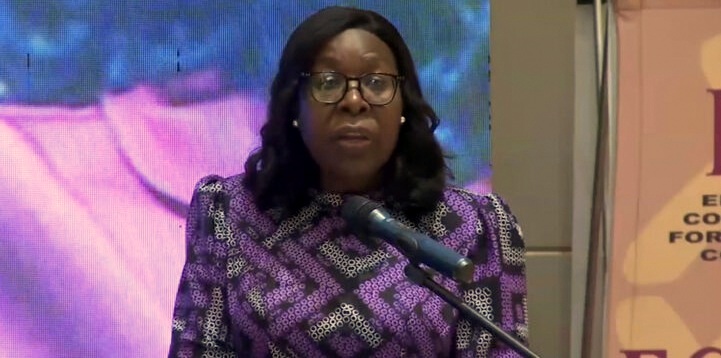
In a significant address underscoring the intersection of technology and democracy, Mozambique’s Prime Minister, Benvinda Levi, issued a stark warning on Wednesday regarding the profound threats posed by digital disinformation and manipulated media to the integrity of electoral processes across the Southern African Development Community (SADC) region. Speaking at the opening of the Executive Committee meeting of the Electoral Commissions Forum of SADC Countries (ECF-SADC) in Maputo, Levi highlighted that contemporary democracies are grappling with a new and complex array of challenges, including the proliferation of “deepfakes” – synthetic media where a person’s likeness is replaced with someone else’s – and automated disinformation campaigns. These phenomena, she argued, place unprecedented strain on the region’s electoral management bodies (EMBs), demanding that they evolve to become more professional, resilient, and adequately prepared to navigate a rapidly shifting information landscape. The Prime Minister’s remarks set a serious tone for the gathering, framing the discussions not merely as technical considerations but as fundamental issues of democratic survival in the digital age. She noted that the very fabric of public trust in institutions is at stake when malicious actors can seamlessly fabricate reality and distribute it at scale.
Paragraph 2: Strengthening Institutions and Embracing AI’s Potential
At the heart of her address, Prime Minister Levi called for a dual-pronged approach: the urgent fortification of the technical and operational capacities of electoral institutions, alongside the strategic embrace of Artificial Intelligence (AI) as a powerful tool to enhance electoral administration. She acknowledged that SADC nations are contending not only with disinformation but also with rapid technological change and rising public expectations for “greater transparency, inclusion and accountability.” In this context, AI should not be viewed solely as a threat but as a transformative force capable of revolutionizing how public institutions operate. Levi detailed the potential benefits, outlining how AI tools can significantly increase administrative efficiency by assisting in the meticulous management of electoral registers, improving communication channels with voters, and strengthening data analysis capabilities. Furthermore, she pointed to the proactive potential of these technologies in facilitating the “timely identification of operational irregularities” and, crucially, in monitoring and countering the spread of disinformation, digital manipulation, and false content that seek to undermine the credibility of democratic processes ahead of, during, and after elections. This optimistic framing positioned AI as an essential ally in the ongoing struggle to uphold electoral integrity.
Paragraph 3: The Double-Edged Sword and Specific Risks
However, the Prime Minister was equally emphatic in her caution that the technological tools capable of safeguarding democracy are the very same ones that can be weaponized to dismantle it. “The same technologies that can support democracy can also be used to weaken it,” she warned, highlighting the inherent duality of this digital transformation. She enumerated the specific threats that have become the hallmark of modern information warfare, including the proliferation of digitally manipulated content or deepfakes, which can fabricate speeches, actions, or events with chilling realism. She also cited automated disinformation campaigns, which use bots and coordinated networks to manufacture artificial consensus or sow discord, as well as the abusive practice of political micro-targeting, where personal data is harvested and used to deliver tailored manipulative messages to vulnerable voter segments. The misuse of personal data itself was identified as a critical vulnerability, collectively posing a “threat to electoral integrity and confidence in institutions.” This detailed enumeration of risks served to illustrate the sophisticated nature of the challenges faced and underscored the necessity for a robust, multi-layered defense mechanism to protect the sanctity of the vote.
Paragraph 4: The Imperative of Responsible Use and Data Governance
In light of these formidable threats, Levi argued that the deployment of AI and related data-driven tools must be governed by a principle of “careful and responsible” use, strictly adhering to the legal mandates of institutions and, above all, safeguarding the fundamental rights of citizens. This led her to a critical examination of data governance, which she posited has become a central element of state sovereignty in the digital epoch. The capability to “collect, protect, manage and use [data] safely and responsibly” is now a defining attribute of a resilient state. The Prime Minister linked this directly to electoral integrity, asserting that the integrity of electoral registers, the protection of voters’ sensitive personal and biometric data, and the security of entire computer systems are non-negotiable “essential components of democratic integrity.” She argued that technological advancement must proceed in tandem with the protection of fundamental rights, ensuring privacy, system security, and unwavering respect for democratic principles. This framing elevated the technical management of data to a matter of democratic principle, insisting that innovation cannot come at the cost of civil liberties.
Paragraph 5: The Necessity of Regional Cooperation and Regulatory Frameworks
Recognizing the borderless and transnational nature of these emerging technological challenges, Prime Minister Levi stressed that they cannot be addressed in isolation by individual nation-states. She issued a compelling call for stronger and more cohesive regional cooperation within the SADC bloc. Acknowledging that threats like disinformation networks often originate or operate across borders, she argued that a coordinated regional response is not just beneficial but essential. The Prime Minister advocated for the improvement of SADC cooperation mechanisms to develop and strengthen shared regulatory and institutional frameworks. The goal, she specified, is to create frameworks capable of ensuring the “ethical, transparent and responsible use of Artificial Intelligence” across the entire region. This collaborative approach would allow SADC member states to pool resources, share intelligence on emerging threats, and harmonize legal standards, thereby creating a united front against those who seek to exploit digital tools for anti-democratic purposes. This vision positioned the ECF-SADC meeting as a crucial platform for forging this collective defense strategy.
Paragraph 6: Credibility, Confidence, and Mozambique’s Commitment
Concluding her address, Prime Minister Levi pivoted to the core outcome that all these efforts are designed to achieve: public confidence in the democratic process. She reminded the delegates that the credibility of elections does not rest solely on the periodic act of casting and counting ballots but rests “above all” on the confidence the entire process inspires in citizens, political contestants, and society as a whole. When electoral management bodies operate with unwavering impartiality, transparency, professionalism, and respect for the rule of law, they create the conditions for public trust and the recognition of the legitimacy of results. If they fail to do so, the very fabric of democratic governance is weakened. Levi concluded by renewing Mozambique’s steadfast commitment to the democratic principles enshrined in the foundational instruments of SADC, the African Union, and the United Nations. She expressed full support for the continued strengthening of electoral administration institutions, framing this not just as a national priority but as a shared regional obligation. Her closing remarks reinforced the message that the collective effort to fortify democratic institutions against the challenges of the information age is a fundamental prerequisite for the stability and prosperity of the entire SADC region.