


Moldova’s Parliamentary Elections: A Crucial Battleground in Russia’s Hybrid War Against the West
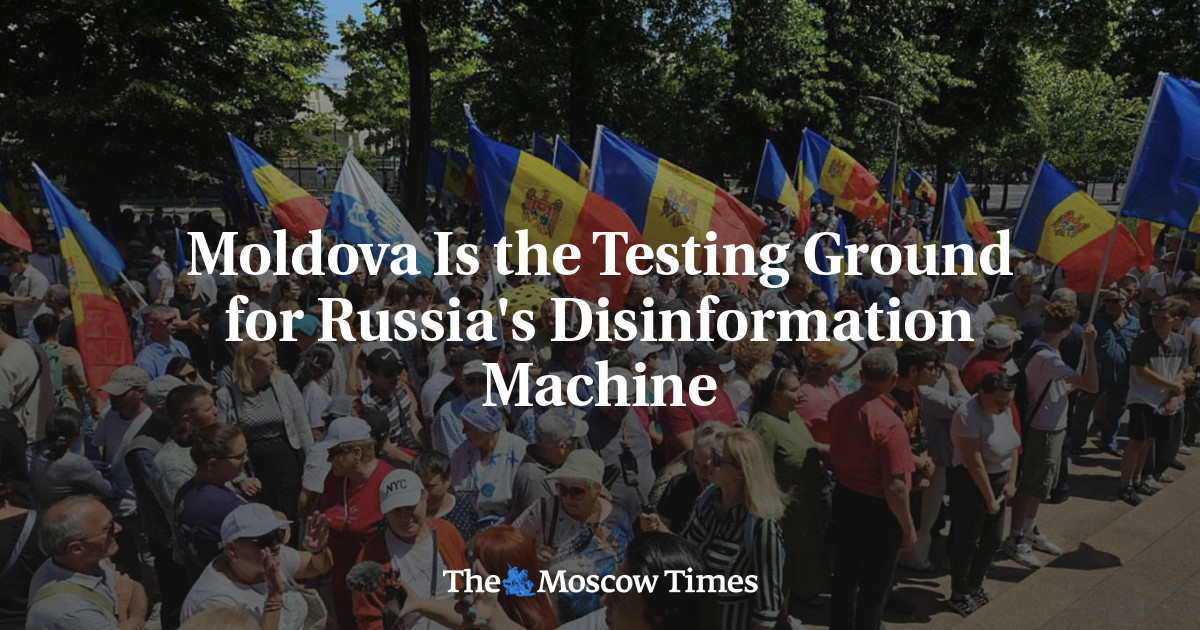
Moldova, a small Eastern European nation nestled between Ukraine and Romania, is bracing itself for parliamentary elections this fall. While seemingly a routine democratic exercise, these elections have become a focal point in Russia’s ongoing hybrid war against the West, a conflict waged through disinformation, political manipulation, and economic pressure. The stakes are high, as the outcome could dramatically alter Moldova’s trajectory towards European integration, a path strongly supported by the EU and fiercely contested by Russia.
Russia’s interference efforts in Moldova have been escalating. During the 2024 presidential elections, a significant portion of media sources covering the event were found to be compromised, spreading disinformation and attempting to manipulate public opinion. This pattern continued into the pre-election period of 2025, with Russia funding multiple political projects simultaneously to maximize its chances of securing a pro-Russian parliament. These operations targeted various political figures across the spectrum, from former presidents and prime ministers to ostensibly pro-European figures, highlighting the Kremlin’s extensive reach and manipulative tactics.
Beyond political maneuvering, Russia is also stoking regional tensions within Moldova, particularly in the autonomous Gagauz region. By promoting narratives of oppression and drawing parallels to the conflict in Donbas, the Kremlin aims to destabilize the country and create new levers of influence. This strategy, honed in previous elections in Moldova, Georgia, and Romania, exploits existing fears and divisions, further complicating the already challenging political landscape.
The Kremlin’s hybrid warfare in Moldova serves multiple purposes. Primarily, it aims to slow down, if not completely derail, Moldova’s EU accession process. This serves as a demonstration of Russia’s continued influence in the region and its ability to achieve its objectives without resorting to outright military aggression, a stark contrast to its actions in Ukraine. Moldova’s success or failure in resisting Russian pressure will have significant repercussions for other countries in the region aspiring to closer ties with the West.
Moldova also serves as a testing ground for Russia’s evolving hybrid warfare tactics. Unable to employ the same strategies in war-torn Ukraine, Russia is refining its methods of political manipulation and disinformation in Moldova. The lessons learned here could be applied to other vulnerable countries in the region, making the Moldovan elections a crucial indicator of Russia’s future intentions.
The EU, while acutely aware of Russia’s interference, appears hesitant to take decisive action. This reluctance is particularly evident in the case of Hungary, where Viktor Orbán’s increasingly pro-Russian stance and obstruction of sanctions against Russia raise serious concerns. The EU’s inaction, based on the hope of a change in government in the 2026 Hungarian elections, risks further emboldening Russia and increasing the likelihood of interference in those elections as well. Continued monitoring of these evolving dynamics is essential to understanding and countering Russia’s hybrid warfare tactics. The future of Moldova, and perhaps the wider region, hangs in the balance, making these parliamentary elections a critical test of democracy and resilience against external pressure. The international community must remain vigilant and prepared to support Moldova in its fight to preserve its sovereignty and choose its own path.