








Ebola Misinformation Driving Wave of Violent Attacks Against Politicians in DR Congo
The Democratic Republic of Congo is facing a deadly convergence of public health and security crises, as misinformation surrounding the ongoing Ebola outbreak fuels a wave of violent attacks against politicians, health workers, and aid facilities in the country’s eastern provinces. The outbreak, which began in the northeastern provinces of North Kivu and Ituri in 2018, has already become the second deadliest in world history, and the spread of false rumors, conspiracy theories, and deep-seated local grievances is now undermining response efforts and endangering the lives of those trying to contain the disease. Officials report that humanitarian and political actors are being targeted not only by armed militias but also by ordinary citizens who believe the disease is a fabrication, a foreign plot, or a scheme to deplete the region’s mineral resources. The violence has forced multiple humanitarian organizations to suspend operations, halted vaccination campaigns, and created a climate of fear that makes it nearly impossible to deliver safe burials, isolate suspected cases, or build trust in health infrastructure.
At the heart of the problem is a toxic mix of age-old skepticism toward outside intervention and modern social media amplification. Health authorities working in the region have documented a host of rumors circulating in villages, marketplaces, and online platforms: that the Ebola vaccine is actually a poison designed to sterilize local populations, that health workers deliberately inject the disease into children, or that the outbreak is a hoax fabricated by foreign governments and the Congolese state to justify military occupation and resource extraction. These narratives are not new—they echo similar accusations made during previous Ebola outbreaks in West and Central Africa—but they have become more lethal in the current context because of the region’s profound insecurity and the presence of over 100 armed groups vying for control of territory and resources. Politicians, especially those who have publicly endorsed vaccination and hygiene campaigns, have been singled out for assassination attempts, kidnapping, and mob violence. In one particularly alarming incident, a local parliamentarian was attacked while trying to address a crowd of villagers who believed the health response was a cover for political manipulation; he barely escaped with his life, but two of his bodyguards were killed.
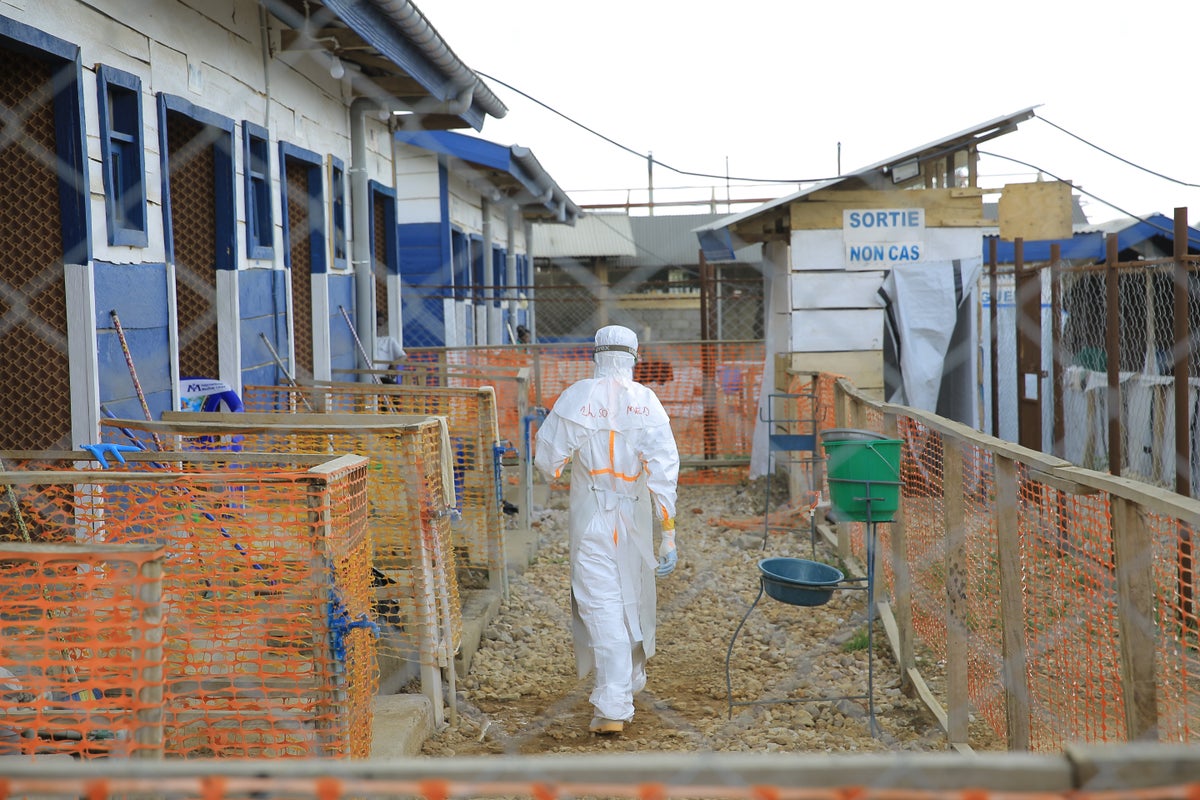
The wave of violence reached a tipping point in the past year when an armed group attacked a major Ebola treatment center in the city of Butembo, destroying several tents, releasing patients, and killing one health worker. The attack was not isolated. Health officials have recorded dozens of similar incidents across the region, including the burning of mobile vaccination units, the stoning of health workers, and the ambush of burial teams transporting victims to safe cemeteries. In some cases, entire communities have refused to allow responders to enter, forcing health workers to pull back and leaving infections to spread silently. This breakdown in community engagement has created a vicious cycle: the more the disease spreads, the more the international community sends heavily armed peacekeepers and security forces, which in turn reinforces the belief among local residents that the response is a military occupation rather than a humanitarian effort. The consequence is that many people are not seeking treatment until it is too late, and the case fatality rate in some areas has spiked above fifty percent, far higher than the global average for Ebola.
Misinformation has also been weaponized by political actors who see the outbreak as an opportunity to settle scores or expand their influence. In a region where state authority has always been weak, and where the central government in Kinshasa is often viewed with suspicion, opposition politicians have exploited the crisis to rally supporters against the international community and the ruling party. Some have publicly claimed that the Ebola vaccine was developed using cells from miscarried fetuses, while others have accused the health ministry of using the outbreak to steal minerals such as gold and cobalt from under the noses of local communities. These accusations are particularly damaging because they tap into genuine grievances about the region’s long history of exploitation by multinational corporations and the state. The result is that a public health emergency has become embedded in the broader political and military conflict that has plagued the eastern DRC for more than two decades. United Nations special envoys and international health experts have repeatedly warned that unless the international community addresses the root causes of the region’s distrust, no amount of medical intervention will be enough to stop the outbreak.
The human toll of this violence is staggering, but so too is the effect on global health security. The DRC has reported thousands of cases and more than two thousand deaths since the beginning of the current outbreak, making it the largest and most complex Ebola epidemic ever documented in the country’s history. The outbreak has also spread across international borders, with cases reported in Uganda and South Sudan, heightening fears that the disease could become endemic in Central Africa. The World Health Organization has declared the outbreak a Public Health Emergency of International Concern, but that declaration has done little to reduce the violence or the spread of misinformation. In fact, health officials say that the threat of the disease has been overshadowed by the constant threat of attack, and that many responders are now forced to operate behind the cover of heavily armed escorts, which further isolates them from the communities they are meant to serve. Even vaccination campaigns, which have proven highly effective at reducing the spread of the virus, are being scaled back because of insecurity, and the national health system is once again on the verge of collapse.
To stop the violence and contain the disease, experts argue that the international community must move beyond the traditional top-down response and work directly with local leaders, faith-based organizations, and trusted community figures. In areas where Ebola is still a taboo subject, health workers are partnering with village chiefs, religious leaders, and women’s groups to combat rumors and explain the science behind the outbreak in local languages. They are also addressing the deeper issues of poverty, unemployment, and land conflicts that make people vulnerable to conspiracy theories in the first place. At the same time, the government and the UN are under increasing pressure to disarm militias and establish a more stable civilian presence in the east, though such efforts have repeatedly failed in the past. The battle against Ebola in the DRC is therefore not just a medical one; it is a fight for trust in a region where trust has been broken by decades of violence, exploitation, and neglect. Without a renewed commitment to listening to local concerns and treating communities as partners rather than adversaries, the world risks watching the virus spread even further, while politicians, health workers, and ordinary citizens continue to pay the highest price for a crisis manufactured by lies and fear.


