


Philippine Government Pushes for Demoting Fake News on Social Media Platforms
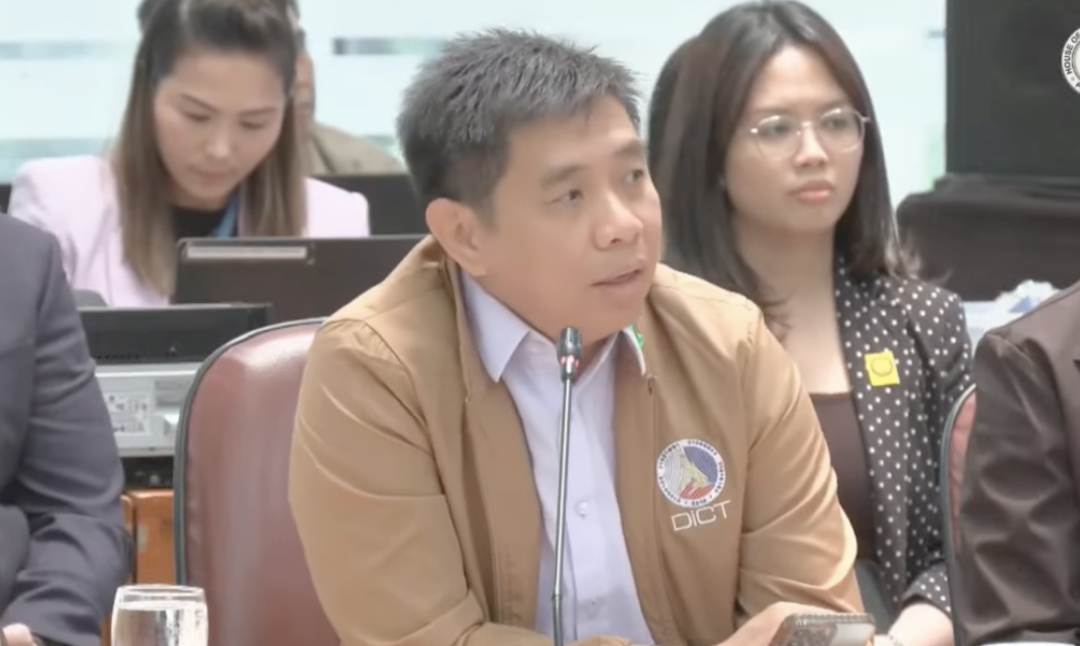
The Philippine government is intensifying its efforts to combat the spread of fake news on social media platforms, particularly targeting prominent companies like Meta, Google, and TikTok. During a joint House committee inquiry, Information and Communication Technology (DICT) Secretary Henry Aguda revealed that Meta, the parent company of Facebook, has agreed to demote posts flagged as disinformation by the government in users’ newsfeeds. This agreement marks a significant step in the ongoing battle against online misinformation, though the posts will not be entirely removed. Aguda also disclosed that Kumu, Google, and TikTok expressed their willingness to cooperate with government directives aimed at upholding truth and accuracy online. While these platforms possess internal mechanisms for content moderation, government officials argue that stronger measures are needed to address the pervasive issue of fake news effectively.
The DICT Secretary, while welcoming Meta’s cooperation, emphasized the need for legislation specifically targeting disinformation. He argued that a proactive approach is crucial to effectively combat the spread of fake news, which often spreads rapidly and widely. Presidential Communications Office (PCO) chief Secretary Jay Ruiz echoed this sentiment, advocating for penalties against social media companies that permit the dissemination of false information. Ruiz asserted that these platforms bear a responsibility to prevent their services from being exploited for the spread of ignorance, drawing a parallel to mall owners who prohibit the sale of counterfeit goods within their premises. This argument underscores the government’s position that social media platforms should be held accountable for the content shared on their sites.
Aguda further substantiated the need for regulation by citing existing laws governing broadcast content, movies, and television shows, all of which are subject to oversight by various entities. Social media, he argued, has a far greater reach than traditional broadcast media, amplifying the potential impact of fake news. This broader reach justifies government intervention to ensure responsible content dissemination, according to Aguda. During the House inquiry, representatives from the government and social media companies discussed various approaches to tackling online misinformation, including self-regulation by platforms, government oversight, and the potential for prior censorship of certain content.
Surigao del Norte Representative Robert Ace Barbers proposed the possibility of implementing a system of prior censorship for online posts, similar to how YouTube filters content containing prohibited words. Aguda acknowledged that several platforms already employ such tools but questioned their effectiveness and thoroughness. Surigao del Sur Representative Johnny Pimentel suggested requiring Meta and similar companies to obtain a Congressional franchise to operate in the Philippines, a move intended to strengthen government oversight and accountability. Lawmakers also inquired about the DICT’s efforts in addressing fake news, misinformation, and disinformation, with Aguda highlighting the development of an AI-powered system to detect fraudulent content and online scams. This system could then be shared with Meta and other platforms to enhance their detection capabilities.
Further plans include establishing an operational framework within the government involving the DICT, PCO, Philippine National Police (PNP), and Department of Justice (DOJ) for coordinated fact-checking and enforcement. This collaborative approach aims to streamline the process of flagging and addressing fake news, leveraging the expertise and resources of different agencies. While Meta was absent from the hearing, a previous statement asserted the platform’s neutrality and emphasized the users’ responsibility for the content they post. Google Philippines pledged to assume accountability for matters within its control but clarified that user-generated content falls under separate legal jurisdictions and accountability mechanisms.
The proposed government oversight, however, sparked concerns about censorship. Bataan Representative Geraldine Roman cautioned against establishing a government watchdog agency, warning of potential constitutional conflicts with freedom of speech. She argued that such a move could be challenged in the Supreme Court and deemed unconstitutional due to its infringement on fundamental rights. This concern highlights the delicate balancing act between curbing misinformation and protecting freedom of expression, a key challenge in addressing the pervasive issue of fake news. The House Tri-Committee concluded the inquiry into fake news and disinformation on social media, lifting the contempt orders against several vloggers who had been summoned to testify. This marks a significant development in the ongoing dialogue about how to best tackle the proliferation of false information online, with the government continuing to explore various strategies to combat the problem.