


Measles Outbreak Sparks Alarm as Misinformation Fuels Vaccine Hesitancy
A resurgence of measles across the United States has public health officials deeply concerned, with over 900 confirmed cases and three fatalities reported across 25 states. This alarming trend underscores the critical role of vaccination in preventing the spread of infectious diseases and highlights the dangers of misinformation, which has eroded public trust in vaccines and contributed to declining vaccination rates. Georgia, in particular, faces a heightened vulnerability due to its lagging vaccination rates, falling short of the 95% threshold needed for herd immunity.
Measles, a highly contagious disease once considered largely eradicated in the US, poses a significant threat, especially to unvaccinated individuals. The virus is remarkably transmissible, with the potential to infect nine out of ten unvaccinated individuals exposed to an infected person. Early symptoms mimic a common cold – fever, cough, and runny nose – but can quickly escalate to a characteristic rash and, in severe cases, lead to complications such as brain swelling, potentially causing long-term cognitive impairment.
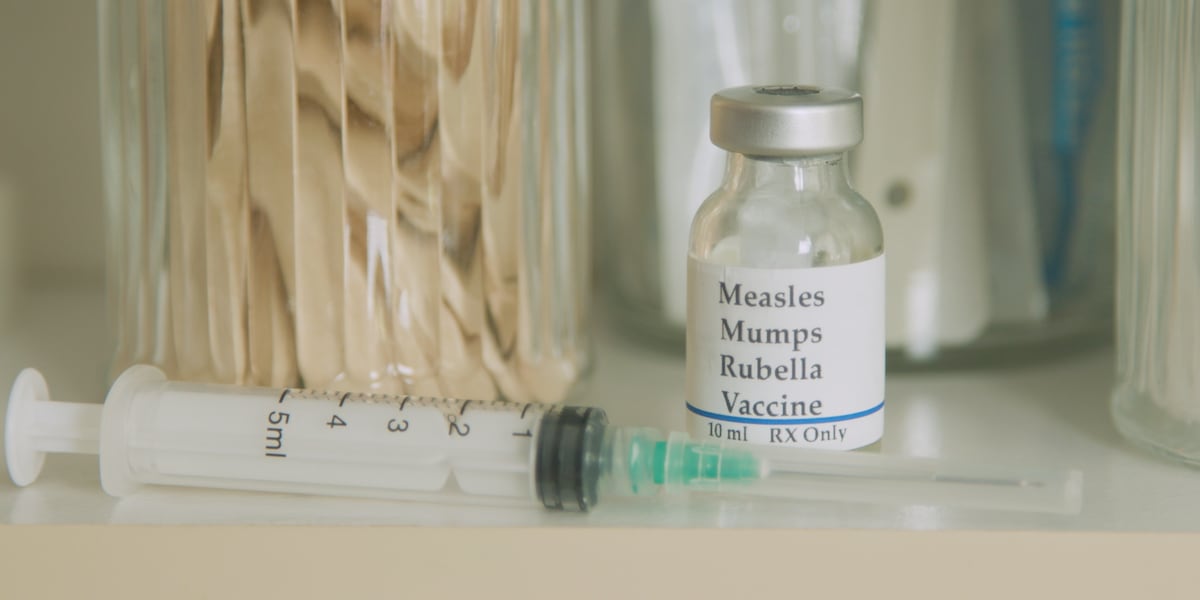
The re-emergence of measles is largely attributed to declining vaccination rates, fueled in part by the spread of misinformation linking the Measles, Mumps, and Rubella (MMR) vaccine to autism. This false association, despite being thoroughly debunked by numerous scientific studies, continues to circulate, contributing to vaccine hesitancy among parents. A recent study by the Kaiser Family Foundation (KFF) revealed that a significant portion of adults have encountered this misinformation, with a concerning number either believing it or questioning its veracity. This persistent myth undermines public confidence in vaccines, a cornerstone of public health, and creates fertile ground for the resurgence of preventable diseases.
The impact of vaccine hesitancy is starkly evident in Georgia, where vaccination rates for two-year-olds fall significantly below the national average and the recommended threshold for herd immunity. This leaves the state particularly susceptible to widespread measles transmission. While Georgia law mandates vaccinations for children attending nursery schools, daycare facilities, and pre-kindergarten programs, exemptions exist, further contributing to the vulnerability of the population.
The urgency of the situation is underscored by the severity of measles and the lack of specific treatments. Unlike bacterial infections that can be treated with antibiotics, viral infections like measles require supportive care rather than curative interventions. Managing measles primarily involves alleviating symptoms and preventing complications, a stark contrast to the preventative power of vaccination. Public health officials emphasize the critical need to address vaccine hesitancy and improve vaccination rates to protect communities from this highly contagious and potentially devastating disease.
The ongoing measles outbreak serves as a stark reminder of the importance of accurate information and the crucial role of vaccination in safeguarding public health. Combating misinformation and promoting evidence-based decision-making are essential steps in preventing further outbreaks and protecting vulnerable populations. Health authorities urge families to ensure their vaccinations are up-to-date, emphasizing that vaccination is the most effective way to prevent measles and its potentially serious consequences. The continued spread of the disease highlights the urgent need for a concerted effort to address vaccine hesitancy and strengthen public trust in the safety and efficacy of vaccines.