


Erosion of Trust in Medicine: A Growing Crisis Fueled by Misinformation
The once-sacred doctor-patient relationship, built on trust and shared decision-making, is facing an unprecedented crisis. Fueled by the rapid spread of misinformation, particularly online, patients are increasingly questioning medical advice, even when it comes to life-saving interventions like vaccinations. This erosion of trust is alarming healthcare professionals who witness firsthand the devastating consequences of vaccine hesitancy and the rejection of evidence-based medicine.
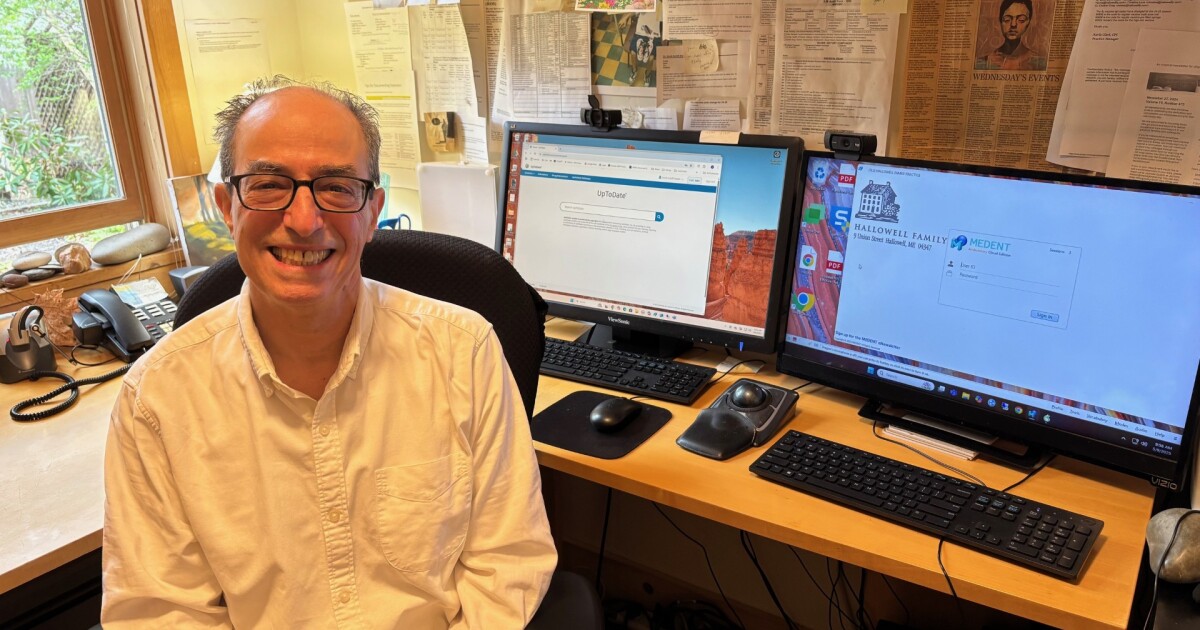
Dr. Scott Schiff-Slater, a family physician with over three decades of experience, embodies this growing concern. He recalls a time when he could patiently address vaccine concerns with diagrams and explanations, fostering open dialogue with his patients. Now, he finds those conversations replaced by resigned shrugs and knowing smiles, as patients dismiss his recommendations. He worries not only for their individual health but also for the broader implications of this widespread distrust. The sentiment is echoed by other physicians across the country, who are grappling with patients rejecting not just COVID-19 vaccines but other established medical interventions as well.
The rise of vaccine skepticism and medical misinformation is not a new phenomenon, but the COVID-19 pandemic amplified it to alarming levels. Social media platforms, while offering valuable connections and information sharing, became breeding grounds for conspiracy theories and unsubstantiated claims. Political polarization further exacerbated the issue, with certain groups aligning themselves against public health measures and vaccines, further solidifying distrust in established institutions. This distrust has extended beyond vaccines to encompass a wide range of medical interventions, creating a complex and challenging environment for healthcare providers.
The consequences of this misinformation are tangible and devastating. Dr. David Preston, an internal medicine physician, shares the story of a patient who nearly died from COVID-19 and now suffers from long COVID after refusing the vaccine. While this patient ultimately acknowledged his mistake, such realizations often come too late. Preston and other healthcare professionals worry about the impact of this skepticism on future pandemics, fearing that a significant portion of the population will resist necessary public health measures, hindering efforts to control outbreaks. The current measles outbreak, with cases reaching a 30-year high due to low vaccination rates, serves as a stark reminder of the dangers of vaccine hesitancy.
The spread of misinformation is particularly challenging in pediatrics. Dr. Rebecca Brakeley, a pediatric hospitalist, notes that many parents are now more afraid of vaccines—due to misinformation they encountered online—than of the diseases they prevent. This fear, often rooted in unsubstantiated claims and emotional appeals, makes it difficult for pediatricians to provide evidence-based care. The sheer volume of information available online, much of it unreliable, overwhelms parents who struggle to discern credible sources from misleading ones.
The influence of misinformation extends even to emergency situations. Dr. AnnMarie Lattanzi, an emergency medicine physician, describes instances where patients have refused life-saving treatments due to fears related to COVID-19 vaccines. Some patients with internal bleeding have rejected blood transfusions, fearing contamination from vaccinated donors. Others have delayed crucial treatments, opting to consult online communities instead of trusting their physicians’ expertise. This tendency to prioritize online opinions over medical advice highlights the extent to which misinformation has eroded trust in the healthcare system. Lattanzi stresses the importance of recognizing physicians’ extensive training and expertise, urging patients to rely on their doctors for guidance, particularly in emergency situations.
Combating this misinformation requires a multi-pronged approach. Healthcare professionals need to patiently engage with their patients, address their concerns, and provide clear, evidence-based information. Credible sources like the Mayo Clinic, Cleveland Clinic, Dana-Farber Cancer Institute, the American Academy of Pediatrics, and governmental health agencies can provide reliable information. However, even government websites can be manipulated to spread misinformation, as illustrated by Dr. Schiff-Slater’s discovery of a White House website promoting the unproven theory that COVID-19 originated from a lab leak. This underscores the need for critical thinking and media literacy, skills crucial for navigating the complex online landscape. Ultimately, rebuilding trust in medicine requires a collective effort involving healthcare providers, policymakers, tech companies, and individuals who must prioritize critical thinking and seek out credible information.