


Social Media Under Scrutiny as Misinformation Hampers Hurricane Relief Efforts
In the aftermath of Hurricanes Helene and Milton, a bipartisan group of lawmakers is demanding a congressional investigation into the role of social media platforms in disseminating misinformation, hindering disaster relief efforts, and eroding public trust. The devastating storms have left a trail of destruction across North Carolina, Florida, and Georgia, but the fallout has been exacerbated by a deluge of false and misleading information circulating online. This "infodemic," as some experts are calling it, has complicated recovery efforts, exploited vulnerable victims, and even incited violence against government officials and aid workers.
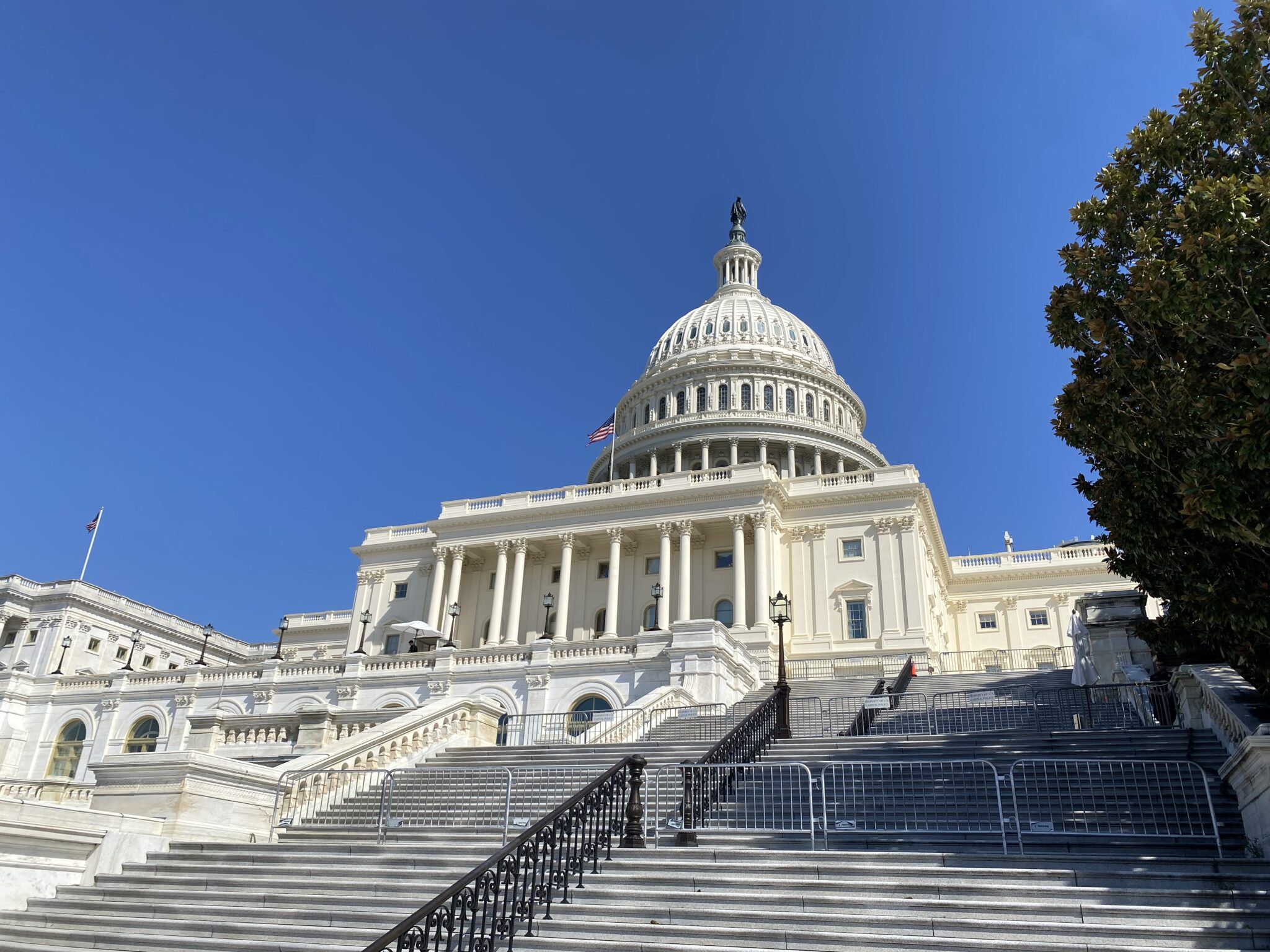
The lawmakers, hailing from the affected states, have sent a letter to key congressional committees – Judiciary, Oversight, and Energy & Commerce – urging them to launch a comprehensive investigation and hold hearings to address these "dangerous trends." Their concerns stem from a surge in misinformation observed across major social media platforms, including Facebook, X (formerly Twitter), Instagram, TikTok, and Discord. The letter details a disturbing array of false claims related to the storms’ origins, government assistance programs, and the availability of disaster relief funds. Scams targeting those who lost their homes and misleading information about shelter locations have proliferated, further compounding the challenges faced by those already struggling to cope with the devastation.
The severity of the situation is underscored by FEMA Director Deanne Criswell, who has described the level of misinformation as "the worst [she’s] ever seen." Even former President Donald Trump contributed to the spread of falsehoods in the week following the storms, further amplifying the reach of inaccurate information. This misinformation not only delays critical aid and recovery efforts but also fuels distrust in government institutions and aid organizations, making it harder for them to effectively assist those in need. Moreover, the spread of conspiracy theories has led to death threats, harassment, and calls for violence against those working tirelessly to provide relief and support.
In North Carolina, where the impact of misinformation has been particularly severe, three members of the congressional delegation penned a separate letter to U.S. Director of National Intelligence Avril Haines. Representatives Deborah Ross, Kathy Manning, and Wiley Nickel voiced their concerns about the potential involvement of foreign actors in propagating or amplifying disinformation related to Hurricane Helene recovery efforts. They requested a briefing to address the possibility of malign foreign influence seeking to undermine public trust and hamper emergency response. The representatives emphasized the critical need to address these threats transparently and swiftly, given their potential to jeopardize public safety, morale, and the overall effectiveness of recovery initiatives.
The letter to the congressional committees, co-authored by Representatives Ross, Kathy Castor of Florida, Hank Johnson of Georgia, Jared Moskowitz of Florida, Manning, Valerie Foushee of North Carolina, and Nickel, calls for a thorough investigation into several key areas. These include the failure of social media companies to effectively combat misinformation, the role of algorithms in amplifying misleading content and scams, the broader impact of misinformation on public trust and disaster recovery, and the platforms’ failures to protect users from scams and fraudulent activities. The lawmakers argue that social media platforms bear a significant responsibility in shaping the information landscape during emergencies and that their current efforts to combat misinformation are inadequate.
The growing concern over the spread of misinformation during natural disasters highlights the urgent need for effective solutions. Experts suggest a multi-pronged approach involving increased media literacy, improved fact-checking and debunking efforts, greater platform accountability, and potential regulatory interventions. Holding social media companies accountable for the content shared on their platforms is crucial, as is empowering individuals to critically evaluate information and identify misleading content. Collaborative efforts between government agencies, social media companies, and civil society organizations are also essential to effectively combat the spread of misinformation and ensure that accurate and reliable information reaches those who need it most during times of crisis. The requested congressional investigation is a crucial first step in addressing this growing problem and ensuring that social media platforms contribute to, rather than detract from, disaster relief efforts. The findings of the investigation could lead to policy changes that better protect the public from the harmful effects of misinformation during future emergencies.