


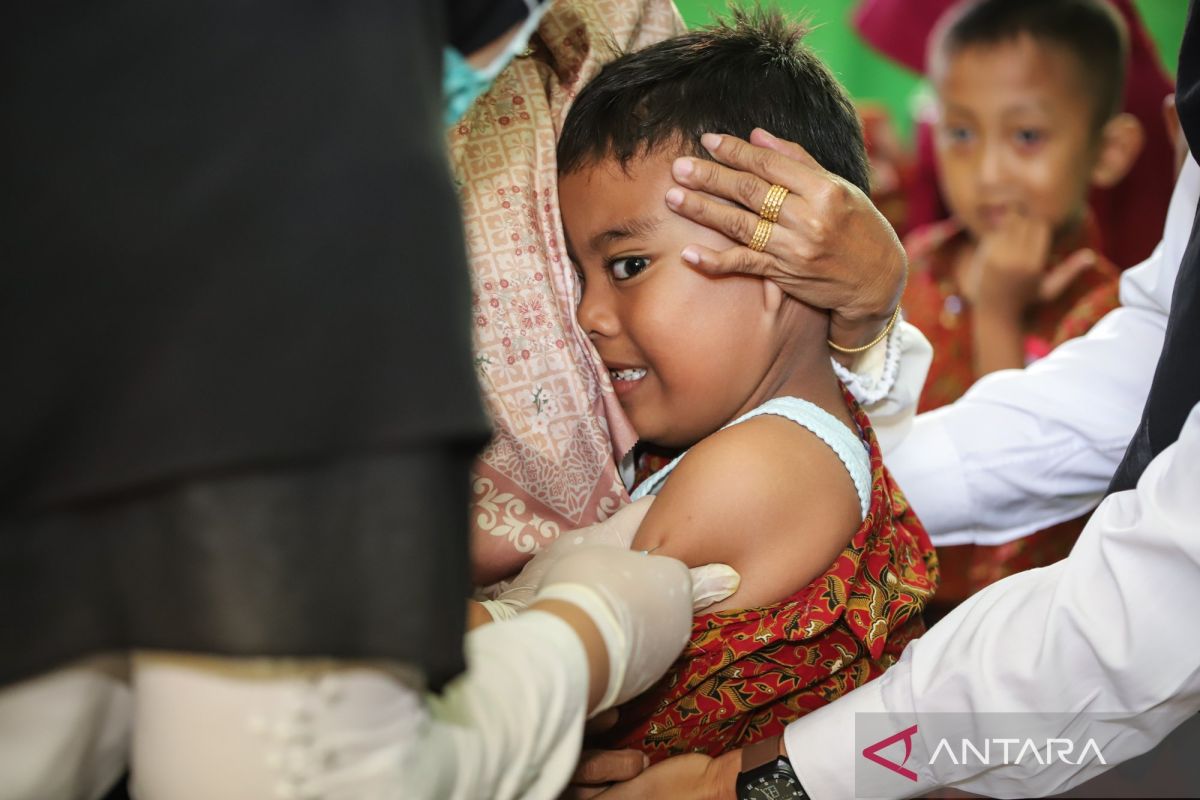
Indonesia Grapples with Measles Resurgence: Public Awareness, Resource Constraints, and Disinformation Hinder Control Efforts
Jakarta, Indonesia – Indonesia is facing a significant challenge in controlling the spread of measles, a highly contagious viral disease that can lead to serious complications and even death, particularly in young children. The Indonesian Ministry of Health has identified several key obstacles hindering its efforts, including low public awareness regarding vaccine safety and efficacy, limited human resources and infrastructure, and the pervasive spread of misinformation about vaccines. These factors have combined to create a perfect storm, allowing measles cases to surge and threatening public health gains achieved in previous years.
One of the primary hurdles is overcoming public hesitancy and distrust towards vaccination. Despite scientific consensus on the safety and effectiveness of the measles vaccine, misinformation and unsubstantiated claims about its alleged negative effects continue to circulate, particularly on social media. This has led to a significant portion of the population, especially parents, opting out of vaccinating their children, leaving them vulnerable to infection. Aji Muhawarman, Head of the Public Information and Communication Bureau at the Ministry of Health, emphasized the critical need to educate the public about the proven safety and efficacy of the measles vaccine in preventing the disease and its potentially devastating complications. He stressed that vaccines are rigorously tested and monitored, and the benefits far outweigh the minor and temporary side effects, such as mild fever or a rash at the injection site.
Compounding the challenge of vaccine hesitancy is the issue of limited resources, both human and financial. The Ministry of Health acknowledges that limited personnel, coupled with budgetary constraints and the logistical difficulties of reaching remote areas, have significantly hampered their ability to implement comprehensive vaccination campaigns and effectively monitor the spread of the disease. The geographical diversity of the Indonesian archipelago poses additional challenges in ensuring adequate healthcare access and timely delivery of vaccines to all regions. This shortage of resources extends to the capacity of healthcare facilities, which often lack the necessary staff and equipment to effectively diagnose and treat measles complications, such as pneumonia and encephalitis. Muhawarman noted that referral mechanisms for patients with severe complications are also strained, further jeopardizing their chances of recovery.
The socio-cultural landscape in some regions of Indonesia adds another layer of complexity to the measles control efforts. Traditional beliefs and practices, coupled with poor nutritional status and unsanitary living conditions, can increase vulnerability to the disease. Furthermore, a lack of understanding about the importance of isolating infected individuals has contributed to the spread of measles. Many individuals perceive measles as a mild illness and are reluctant to adhere to isolation protocols, inadvertently facilitating transmission within their communities. This necessitates a multi-sectoral approach involving community leaders and religious figures to address the cultural and social factors contributing to the persistence of measles.
Addressing these challenges requires a multifaceted strategy. The Ministry of Health is ramping up public education campaigns, particularly targeting parents, to dispel myths about vaccines and emphasize the importance of measles immunization. These campaigns utilize various communication channels, including traditional media, social media, and community outreach programs, to disseminate accurate information about measles and the benefits of vaccination. Health officials are working closely with community leaders and influencers to build trust and encourage greater vaccine acceptance.
In addition to public education, the government is bolstering epidemiological surveillance efforts to track the spread of measles and identify unreported cases. This involves strengthening contact tracing mechanisms and rapid response teams to swiftly contain outbreaks. Early detection and prompt intervention are crucial to limiting transmission and preventing severe complications. The Health Ministry is also prioritizing the expansion of immunization coverage, particularly in underserved areas, to ensure that all children have access to the measles vaccine. This includes working with local health officials to improve service delivery and strengthen cold chain management to maintain vaccine potency.
The Indonesian government is committed to overcoming these challenges and curbing the resurgence of measles. By strengthening public awareness, improving healthcare infrastructure and resources, and fostering greater community engagement, the country aims to protect its population, particularly its children, from this preventable disease. The success of these efforts hinges on the collective responsibility of all stakeholders, including government agencies, healthcare professionals, communities, and individuals, to prioritize measles control and ensure a healthier future for all Indonesians.