


Foreign Interference Targets MAGA Movement Through Social Media Manipulation
A new report from the Network Contagion Research Institute (NCRI) reveals a disturbing trend: Russia and Iran are actively working to destabilize the Make America Great Again (MAGA) movement from within. These foreign actors are deploying tens of thousands of social media bots, mimicking human activity, to amplify disinformation and sow discord among conservatives. These bots, automated software applications designed to masquerade as genuine MAGA supporters, are being used to spread false narratives and question U.S. leadership. The strategy mirrors tactics previously used to disrupt the Democratic Party, suggesting a deliberate effort to undermine political stability within the United States.
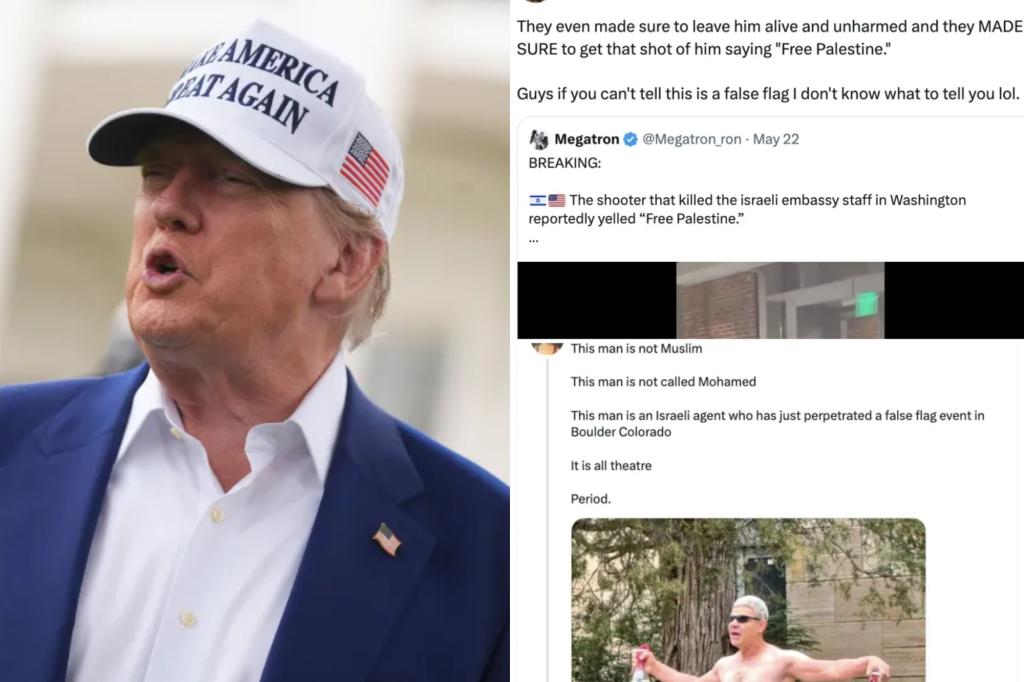
The bots work by amplifying the voices of real-life influencers who propagate false flag narratives. These narratives are carefully crafted to discredit former President Donald Trump and other conservative figures. By creating an illusion of widespread support for extreme viewpoints, the bots aim to manipulate public perception and erode trust in established institutions. NCRI analysts emphasize the insidious nature of this tactic, highlighting how it can distort online discourse and create a false sense of division within the MAGA movement. The report concludes that these efforts are part of a broader psychological operation designed to destabilize perceptions of security and leadership.
The NCRI report identifies a pattern of exploitation following domestic tragedies and crises. After events like the Uvalde school shooting and the assassination attempt on Donald Trump, foreign-linked accounts swiftly disseminate conspiracy theories and misinformation. These narratives often portray these events as "false flags," obscuring the true motives and perpetrators. This rapid injection of disinformation into the online sphere allows these narratives to take hold within MAGA-branded spaces, further fueling division and distrust. This manipulation is not limited to crisis events; the same network has also targeted former President Trump with accusations of pedophilia and disseminated Iranian state leaks to undermine international organizations.
The report details specific examples of how these tactics are employed. Noctis Draven, a U.S. veteran who frequently contributes to Russian state media, is identified as a key player in spreading false flag narratives. Draven uses social media platforms to reach a potential audience of millions, pushing conspiracy theories and anti-Western propaganda. His messages, often republished by bot networks, aim to undermine trust in U.S. institutions and promote pro-Russian narratives. Another example highlighted is the coordinated online assault against former President Trump by Kremlin-affiliated propagandists working through right-wing social media influencers. This multi-pronged approach combines artificial and real voices to amplify disinformation and create the illusion of widespread dissent within the MAGA movement.
The report also exposes the use of seemingly innocuous online personas to spread disinformation. These accounts often use average American names and generic profiles to blend in and appear legitimate. This camouflage allows them to infiltrate online communities and disseminate misinformation without raising suspicion. One example cited is "Red Pill Media," an account claiming to be based in the U.S. but later revealed to be operated from Pakistan. This account, which purports to expose "Zionist terrorism," has a significant following and actively spreads anti-Semitic and anti-Israel propaganda. These seemingly grassroots accounts are often part of larger, coordinated disinformation networks, amplifying each other’s messages and creating a false sense of organic support.
The NCRI report highlights the gravity of foreign interference in the American political landscape. By exploiting social media platforms and manipulating online discourse, Russia and Iran are actively attempting to sow discord and destabilize the MAGA movement. This sophisticated campaign utilizes a combination of bots, real-life influencers, and carefully crafted narratives to manipulate public perception and erode trust in institutions. The report serves as a stark reminder of the vulnerability of online platforms to manipulation and the importance of critical thinking in the digital age. The NCRI’s findings underscore the need for increased awareness of these tactics and for robust strategies to counter foreign interference in online spaces. The long-term implications of these disinformation campaigns on political stability and social cohesion warrant further investigation and action.