


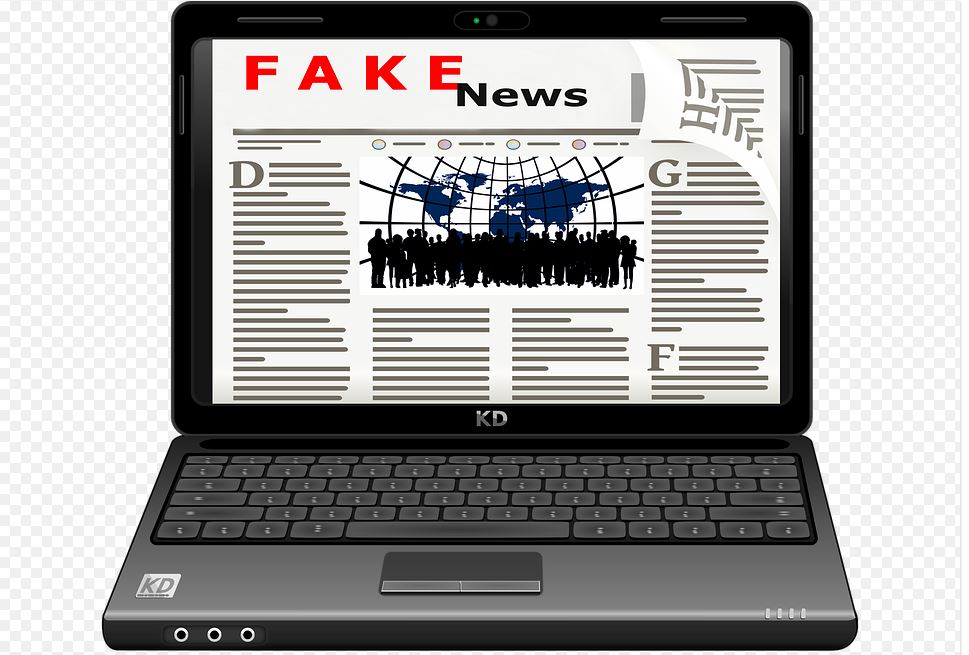
Karnataka’s Proposed "Fake News" Law: A Chilling Effect on Free Speech
The Karnataka government’s proposed legislation to combat "misinformation" and "fake news" has sparked widespread concern among digital rights activists, legal scholars, and journalists. The draft bill, which proposes hefty fines and prison sentences for those deemed to have spread false information, has been criticized for its flawed approach, vague definitions, and potential for misuse against dissenting voices. The bill’s very existence threatens to irrevocably shift the Overton window, normalizing restrictions on speech and expression, even if the legislation itself fails to survive judicial scrutiny.
The proposed law adopts a coercive, supply-side approach, focusing on punishing those who create and distribute misinformation, rather than addressing the demand-side factors that contribute to its spread. While tackling the spread of misinformation is a valid concern, the government’s heavy-handed approach is not only ineffective but also dangerous. History is replete with examples of “anti-fake news” laws being used to silence critics and suppress dissent, as documented by organizations like the International Press Institute and the Anti-Fake News Lawfare project. The Karnataka bill, with its broad definitions and lack of safeguards, risks following this troubling pattern.
The bill’s definitional deficiencies further compound the problem. It fails to adequately define "misinformation," conflating it with disinformation, which involves the intentional spread of false information to cause harm. This lack of clarity opens the door to arbitrary interpretations and selective enforcement. Even more alarming are the bill’s provisions targeting “anti-feminism” and content that “disrespects Sanatan symbols and beliefs,” without defining what these terms entail. Such vague language invites censorship and restricts legitimate expressions of opinion and critical analysis. The overbroad definition of "communication" also raises concerns about extra-territorial implications, potentially impacting online speech beyond Karnataka’s borders.
Despite assurances from state IT Minister Priyank Kharge that the current draft is merely the “opinion of a few people in the law department,” the fact that it was presented to the state cabinet suggests a degree of official endorsement. While Kharge has promised "wider consultations," the bill’s core approach, with its emphasis on criminalizing speech, remains deeply problematic. Doubts persist about the nature and extent of these promised consultations, further fueling concerns that the government is not genuinely interested in addressing the complexities of the issue.
Instead of resorting to punitive measures, the Karnataka government should prioritize a more nuanced and evidence-based approach to tackling misinformation. Supporting research into the information ecosystem, promoting media literacy, and strengthening grievance redressal mechanisms would be far more effective than criminalizing speech. Non-coercive measures, such as public awareness campaigns and fact-checking initiatives, can empower citizens to critically evaluate information and make informed decisions.
The Karnataka government’s proposed legislation represents a dangerous overreach that threatens fundamental freedoms of speech and expression. The bill’s flawed approach, vague definitions, and potential for misuse raise serious concerns about its impact on democratic discourse. By criminalizing speech and granting sweeping powers to a regulatory authority under direct executive control, the bill creates a chilling effect on dissent and critical journalism. This is particularly concerning in the current political climate, where various institutions are already encroaching upon freedom of expression. While the bill’s fate remains uncertain, its very existence represents a significant setback for free speech in India, potentially shifting the Overton window towards greater acceptance of censorship and restrictions on online expression. The potential consequences are far-reaching, potentially impacting not only journalists and activists but also ordinary citizens, particularly those from marginalized communities.
The Karnataka government’s foray into regulating online speech through this proposed “fake news” bill is not an isolated incident. It reflects a broader trend of governments worldwide attempting to control the flow of information online. While the stated aim is often to combat misinformation and protect the public, these efforts frequently end up being used to silence dissent and curtail freedom of expression. The Karnataka bill, with its broad and ill-defined provisions, is a prime example of this dangerous trend. The emphasis on criminalizing speech rather than addressing the root causes of misinformation is deeply concerning. Instead of fostering a healthy information ecosystem based on critical thinking and media literacy, this approach risks creating an environment of fear and self-censorship.
The proposed law’s focus on criminal sanctions, including imprisonment and hefty fines, is particularly alarming. The threat of such severe penalties can have a chilling effect on legitimate expressions of opinion and critical analysis. Journalists, researchers, and even ordinary citizens may be hesitant to share information or express views that could be deemed “fake news” by the authorities. This chilling effect can undermine public discourse and erode the foundations of a free and democratic society.
The Karnataka government’s justification for the bill – the need to combat the spread of misinformation – is understandable. However, the proposed solution is not only disproportionate but also counterproductive. Criminalizing speech is not an effective way to address the complex challenges of misinformation. Instead, it risks creating a climate of fear and self-censorship, undermining the very freedoms it purports to protect. A more effective approach would be to focus on promoting media literacy, supporting independent fact-checking initiatives, and strengthening grievance redressal mechanisms. Empowering citizens to critically evaluate information and make informed decisions is crucial in combating the spread of misinformation.
The proposed bill’s vague definitions and lack of clear guidelines are equally troubling. Terms like “anti-feminism” and “disrespect to Sanatan symbols and beliefs” are open to wide interpretation and can be easily misused to target individuals and groups who express dissenting views or challenge established norms. The lack of clear criteria for determining what constitutes “fake news” further exacerbates the risk of arbitrary and selective enforcement. This lack of clarity not only undermines the rule of law but also creates an environment of uncertainty and fear, where individuals are unsure what they can or cannot say without risking prosecution.
The proposed legislation’s potential impact on online platforms is another cause for concern. The bill’s broad definition of “communication” and its extra-territorial reach could compel social media companies to aggressively comply with its provisions, leading to widespread censorship and restrictions on online speech. This could have a chilling effect on the free flow of information and hinder the ability of individuals to access diverse perspectives and engage in open dialogue. The bill’s potential to stifle online discourse and restrict access to information raises serious concerns about its compatibility with international human rights standards.
The Karnataka government’s push for this controversial legislation is indicative of a growing trend of governments attempting to regulate online speech under the guise of combating misinformation. While the stated intentions may be noble, the proposed solutions are often flawed and carry the risk of undermining fundamental freedoms. The Karnataka bill, with its emphasis on criminalizing speech, is a prime example of this dangerous trend. It’s a stark reminder of the importance of vigilantly defending freedom of expression, both online and offline. Instead of resorting to heavy-handed censorship, governments should prioritize empowering citizens to critically evaluate information and make informed decisions. A healthy democracy requires a vibrant public sphere where diverse voices can be heard without fear of reprisal. The Karnataka government’s proposed law, if enacted, would significantly erode this vital space.