


Close Menu
DISADISA
  • Home
  • News
  • Social Media
  • Disinformation
  • Fake Information
  • Social Media Impact
Trending Now

Identifying the Most Common Scams Originating on Social Media

August 25, 2026

Government Introduces Updated Communication Policy to Combat Misinformation and Enhance Public Trust.

August 25, 2026

Experts to Address Social Media’s Impact on Adolescent Brain Development Amid Continuing Meta Litigation.

August 25, 2026
Facebook X (Twitter) Instagram
Facebook X (Twitter) Instagram YouTube
DISADISA
Newsletter
  • Home
  • News
  • Social Media
  • Disinformation
  • Fake Information
  • Social Media Impact
DISADISA
Home»News»Japanese Lawmakers Convene Cross-Party Inquiry on Social Media Platform Regulation of Election Misinformation
News

Japanese Lawmakers Convene Cross-Party Inquiry on Social Media Platform Regulation of Election Misinformation

Press RoomBy Press RoomMay 9, 2025No Comments
Facebook Twitter Pinterest LinkedIn Tumblr Email

Social Media Disinformation Threatens Election Integrity, Cross-Party Talks Begin in Japan

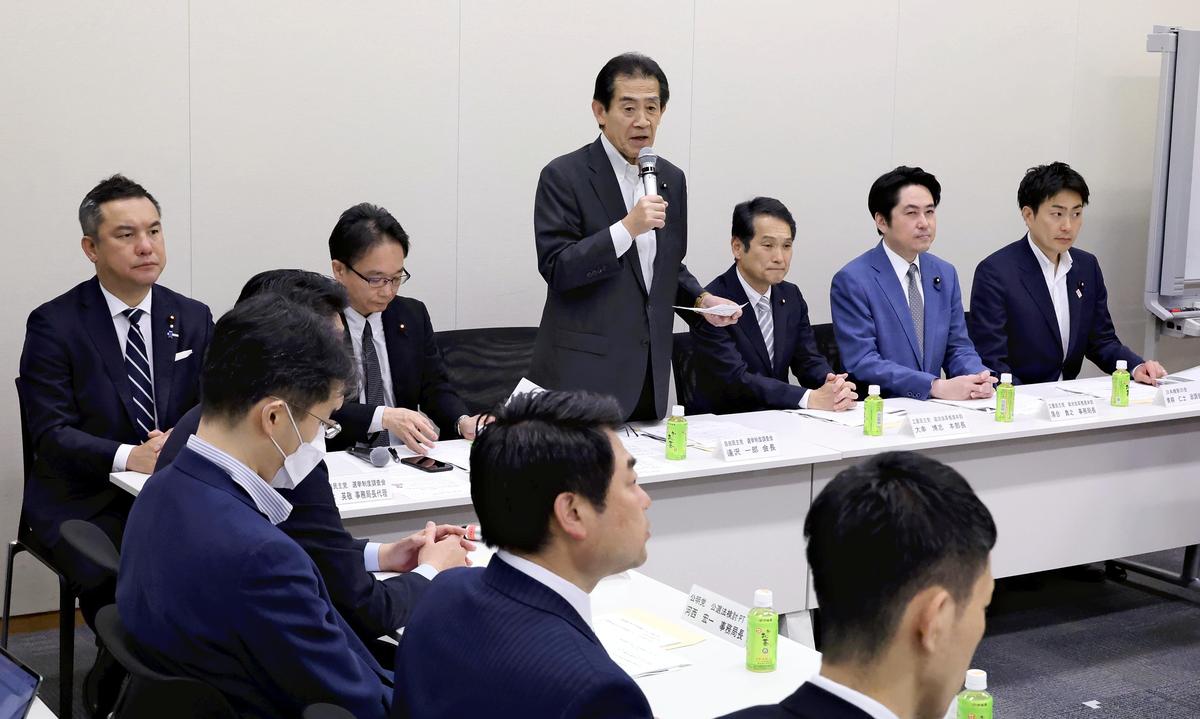
Tokyo, Japan – Concerns over the escalating influence of disinformation on election outcomes have prompted Japan’s ruling and opposition parties to initiate a series of cross-party discussions aimed at addressing the pervasive spread of false information on social media platforms. The urgency of the situation was underscored by Ichihiro Aisawa, chairman of the Liberal Democratic Party’s Research Commission on the Election System, who voiced deep apprehension over the impact of misleading and fabricated content observed during recent elections throughout the country. This initiative marks a significant step toward achieving consensus on regulatory measures to combat the insidious threat to democratic processes posed by online disinformation campaigns.

The recent amendment to the Public Offices Election Law, effective May 2, 2025, mandates the implementation of "necessary measures" to counter disinformation, providing the impetus for these crucial discussions. In a closed-door meeting held at the Diet on Thursday, representatives from major social media platforms, including Google (YouTube), X Corp., and LY Corp., were summoned to elucidate their strategies for mitigating the spread of false information. The meeting, attended by lawmakers from various political parties, focused on three key areas: the monetization of election-related content, fact-checking mechanisms, and the identification of individuals disseminating information on social media.

The social media operators presented their existing initiatives in the aforementioned areas, mirroring the information shared during a similar meeting with the LDP in March. Each company outlined its voluntary efforts to identify and remove false or harmful content, primarily through a combination of human moderators, specialized agencies, and artificial intelligence systems. LY Corp. highlighted its policy of withholding payments to users found to be violating its terms of service by spreading misinformation through short-form videos. These presentations aimed to demonstrate their proactive approach to tackling the issue and secure the understanding of policymakers.

However, the efficacy of these voluntary measures remains limited, prompting lawmakers to delve deeper into the complexities of the challenge. The discussion centered on critical issues such as account verification, methodologies for the removal of false information, and the potential deterrent effects of suspending monetization for offenders. The delicate balance between safeguarding freedom of expression and curbing the proliferation of disinformation emerged as a central theme of the deliberations. Hiroshi Oogushi, Executive Deputy President of the Constitutional Democratic Party of Japan, acknowledged the intricate nature of the problem, emphasizing the commitment to finding effective solutions while respecting fundamental rights.

The pervasiveness of disinformation in the digital age presents a multifaceted challenge, demanding a comprehensive approach that addresses both the technical and societal aspects of the problem. The cross-party talks signify Japan’s recognition of the urgency and complexity of the situation, setting the stage for the development of a robust framework to protect the integrity of elections in the face of evolving online threats. Future discussions are expected to delve deeper into the specifics of fact-checking mechanisms, as lawmakers seek practical solutions to address the spread of misinformation.

The collaboration between political parties and social media platforms is crucial to finding a sustainable solution. It requires a concerted effort to develop effective regulatory measures while upholding the principles of free speech. The ongoing dialogue between lawmakers and tech companies represents a significant stride towards building a more resilient democratic process, one capable of withstanding the corrosive effects of disinformation in the digital era. The ultimate goal is to ensure that voters can access accurate and reliable information, allowing them to make informed choices during elections, free from the manipulative influence of false and misleading content. The discussions are not merely about regulating online content but about safeguarding the foundations of democracy in a rapidly evolving digital landscape.

Share. Facebook Twitter Pinterest LinkedIn WhatsApp Reddit Tumblr Email

Read More

Government Introduces Updated Communication Policy to Combat Misinformation and Enhance Public Trust.

August 25, 2026

Low Calbayog Measles-Rubella Vaccination Turnout Attributed to Misinformation

August 25, 2026

Here are a few formal options, depending on the specific context (e.g., a case study title, a project heading, or a business proposal section).

Option 1: Direct & Definitive (Best for Case Studies)

The Client’s Critical Challenge: An Analysis of Key Obstacles

Option 2: Strategic & Analytical (Best for Proposals)

Understanding the Client’s Obstacle: A Strategic Assessment

Option 3: Diplomatic & Professional (Best for Internal Reports)

Navigating Client Issues: A Review of Operational Hurdles

Option 4: Action-Oriented (Best for Problem-Solving Documents)

Addressing the Client’s Situation: Identifying and Resolving Constraints

Option 5: The Strongest Single Phrase (If you need a stand-alone title)

Client Obstacle Assessment

My recommendation for a one-line title that is both formal and specific is:

The Client’s Challenge: Identifying Key Constraints and Solutions.

August 25, 2026
Add A Comment
Leave A Reply Cancel Reply

Our Picks

Government Introduces Updated Communication Policy to Combat Misinformation and Enhance Public Trust.

August 25, 2026

Experts to Address Social Media’s Impact on Adolescent Brain Development Amid Continuing Meta Litigation.

August 25, 2026

Coordinated Disinformation Campaigns Target Australian Music Royalty

August 25, 2026

Low Calbayog Measles-Rubella Vaccination Turnout Attributed to Misinformation

August 25, 2026
Stay In Touch
  • Facebook
  • Twitter
  • Pinterest
  • Instagram
  • YouTube
  • Vimeo

Don't Miss

Social Media Impact

The Impact of Employment-Oriented Social Media Use on College Students’ Employment Anxiety: Dual Mediating Roles of Social Capital and Risk Perception.

By Press RoomAugust 25, 20260

Abstract and Research Problem This study investigates the relationship between college students’ employment-oriented social media…

Malicious Disinformation Campaigns Target Australian Swimmers and Their Olympic Competitors

August 25, 2026

Here are a few formal options, depending on the specific context (e.g., a case study title, a project heading, or a business proposal section).

Option 1: Direct & Definitive (Best for Case Studies)

The Client’s Critical Challenge: An Analysis of Key Obstacles

Option 2: Strategic & Analytical (Best for Proposals)

Understanding the Client’s Obstacle: A Strategic Assessment

Option 3: Diplomatic & Professional (Best for Internal Reports)

Navigating Client Issues: A Review of Operational Hurdles

Option 4: Action-Oriented (Best for Problem-Solving Documents)

Addressing the Client’s Situation: Identifying and Resolving Constraints

Option 5: The Strongest Single Phrase (If you need a stand-alone title)

Client Obstacle Assessment

My recommendation for a one-line title that is both formal and specific is:

The Client’s Challenge: Identifying Key Constraints and Solutions.

August 25, 2026

Exclusive: Andrew McGinley Expresses Empathy for Lindsay Clancy Over Online Misinformation and Falsehoods

August 25, 2026
DISA
Facebook X (Twitter) Instagram Pinterest
  • Home
  • Privacy Policy
  • Terms of use
  • Contact
© 2026 DISA. All Rights Reserved.

Type above and press Enter to search. Press Esc to cancel.