


Social Media’s Expanding Influence on Southeast Asian and Japanese Politics: A Double-Edged Sword
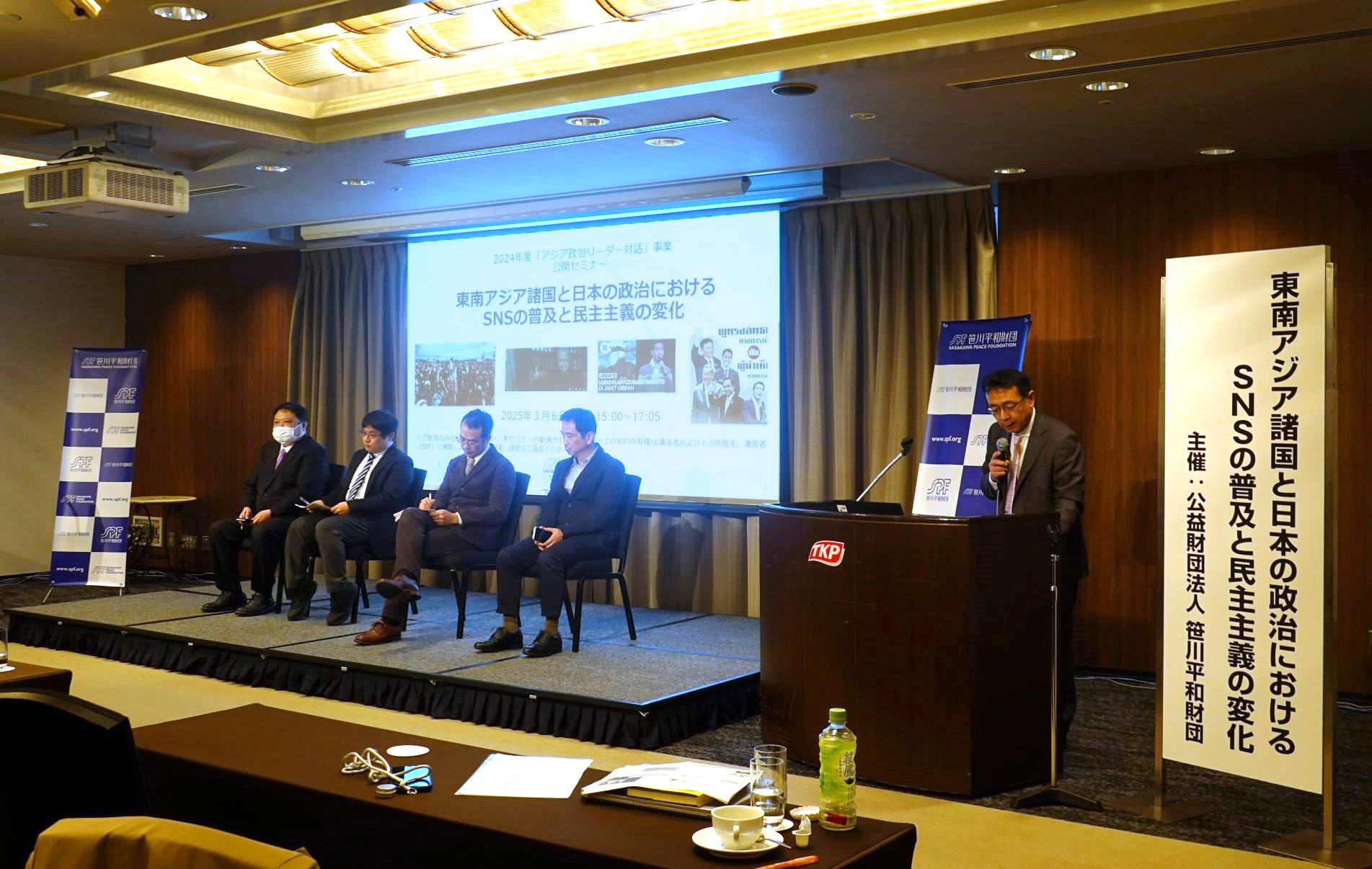
The digital age has irrevocably transformed the political landscape, with social media platforms emerging as powerful tools for political discourse, mobilization, and campaigning. This evolving dynamic was the focus of a recent online event, "The Spread of SNS and Changes in Democracy in the Politics of Southeast Asian Countries and Japan," hosted by the Sasakawa Peace Foundation (SPF) on March 6, 2025. The event brought together five Japanese professors to analyze the multifaceted impact of social media on elections and democratic processes in Thailand, Indonesia, Malaysia, the Philippines, and Japan. Experts explored the complex interplay between online platforms and political behavior, highlighting both the opportunities and challenges presented by this increasingly influential medium.
The discussions emphasized the growing role of social media in shaping electoral outcomes across the region. The 2023 Thai general election and the 2024 Indonesian presidential election served as key case studies, illustrating how political actors have leveraged social media to connect with voters, disseminate information (and misinformation), and influence public opinion. The presentations highlighted how social media campaigns, targeted advertising, and online discussions have become integral components of modern election strategies, often bypassing traditional media channels and directly engaging with specific demographics. The experts analyzed how these trends have contributed to both increased political participation and the potential for manipulation and polarization.
The event also delved into the evolving role of social networking sites (SNS) in Malaysian and Filipino politics. Particular attention was given to the impact of social media on younger voters, who constitute a significant portion of the electorate in these countries. The discussions explored how online platforms are shaping the political perspectives of young people, their engagement with political processes, and their susceptibility to online misinformation. The rise of "digital natives" and their comfort with social media platforms has presented both opportunities and challenges for political parties, candidates, and democratic institutions seeking to engage with this demographic.
One central theme that emerged from the discussions was the double-edged nature of social media’s influence on democratic processes. While these platforms can foster greater transparency and accountability in politics, they also present risks related to the spread of misinformation, disinformation, and divisive rhetoric. The ability of social media to amplify extremist views, manipulate public opinion, and undermine trust in democratic institutions was recognized as a significant concern. The experts emphasized the need for critical media literacy, fact-checking initiatives, and regulatory frameworks to mitigate these risks and ensure that social media platforms contribute positively to democratic discourse.
Nobuyuki Konishi, Director of the Strategic Dialogue and Exchange Program at SPF, underscored the complex relationship between social media and electoral campaigns in his opening remarks. He acknowledged the potential of social media to promote transparency and enhance youth engagement in political processes, but also cautioned against the dangers of misinformation and the erosion of reasoned political debate. Konishi highlighted the risk of social media platforms being used to spread populist, conformist policies and exacerbate social divisions, ultimately undermining the very foundations of democratic governance. His remarks framed the discussions by emphasizing the need for a balanced and nuanced approach to understanding and addressing the impact of social media on democratic societies.
The "Spread of SNS and Changes in Democracy" event provided valuable insights into the evolving role of social media in Southeast Asian and Japanese politics. The presentations and discussions highlighted the need for ongoing research and analysis to better understand the complex interplay between online platforms, political behavior, and democratic processes. As social media continues to permeate every aspect of public life, it is crucial for policymakers, civil society organizations, and individuals to work together to harness its potential for positive change while mitigating its potential harms. The event served as a timely reminder of the importance of fostering critical thinking, media literacy, and robust democratic institutions in the digital age.