


Japan Denies Plans for Mass African Immigration Amidst Misinformation Surge
TOKYO – Japan finds itself battling a wave of misinformation regarding its immigration policies, particularly concerning individuals from African nations. The controversy stems from the recent “Africa Hometown” initiative, a program designed to foster cultural exchange and cooperation between Japanese cities and African countries. False reports have proliferated, claiming that Japan is preparing to accept a large influx of African immigrants, leading to public outcry and confusion. The Japanese government has emphatically denied these claims, asserting that the program is solely focused on promoting cultural exchange and development cooperation, not on altering existing immigration policies.
The “Africa Hometown” program, launched by the Japan International Cooperation Agency (JICA), pairs four Japanese cities with partner countries in Africa. Imabari City is partnered with Mozambique, Kisarazu City with Nigeria, Sanjo City with Ghana, and Nagai City with Tanzania. The aim is to facilitate deeper understanding and collaboration between these communities through various cultural and educational activities. However, the announcement of the program was quickly followed by a torrent of misinformation spreading through social media and some news outlets, both domestically and internationally.
The misinformation campaign took several forms, including claims that Japan was creating special visa categories for Africans, effectively opening the doors to mass immigration. One particularly egregious example saw the Kisarazu City office temporarily labeled as the “Nigerian City Office” on Google Maps. Furthermore, a Tanzanian media outlet erroneously reported that Nagai City had been “dedicated in honor of Tanzania” and “awarded” to the African nation. These false narratives quickly gained traction, fueling public anxiety and prompting numerous protest calls and emails to the designated cities. Many expressed concerns about the potential impact on public order and the strain on social services.
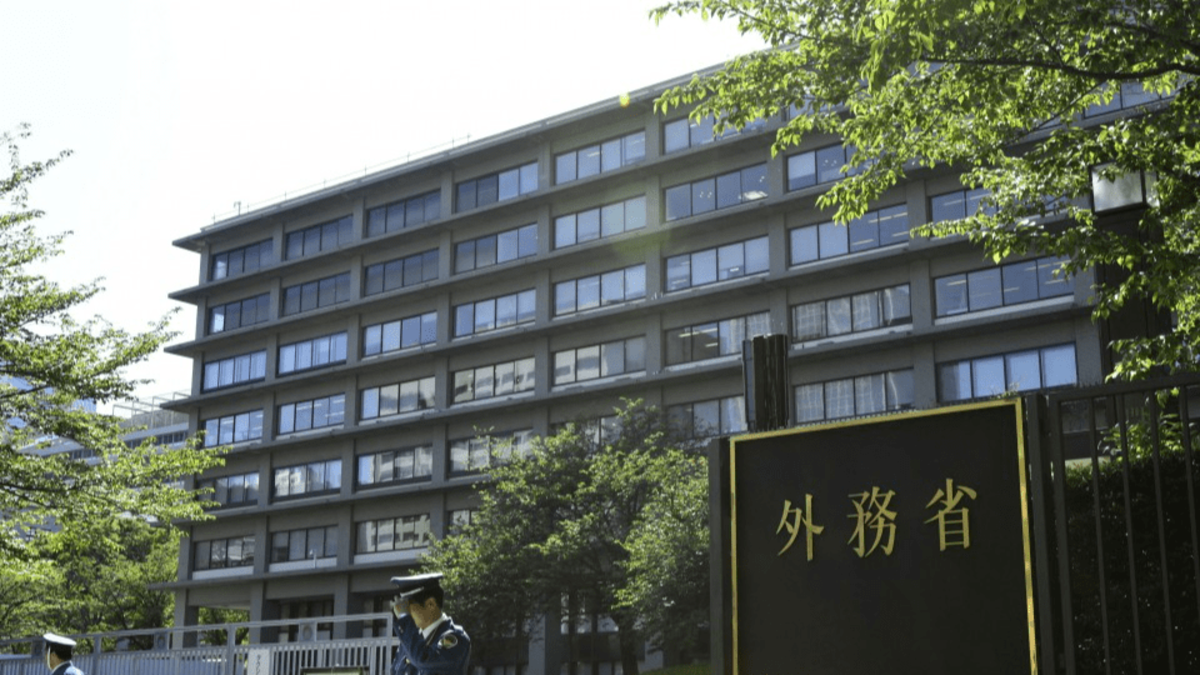
The Japanese Ministry of Foreign Affairs has stepped forward to address the misinformation, issuing a clear statement denying any plans to relax immigration policies for African citizens. “There have been reports and statements both domestically and internationally that contain information contrary to the facts,” the ministry stated. They emphasized that the program is solely intended to promote cultural exchanges and development cooperation, and there are no plans to implement special visa programs or promote the acceptance of immigrants from African countries. The ministry expressed concern about the rapid spread of misinformation and its potential to damage relations with African nations.
The incident highlights the challenges faced by governments in combating misinformation in the digital age. The speed with which false narratives can spread online underscores the need for swift and decisive action to correct the record and prevent further confusion. Japan’s traditional cautious approach to immigration, coupled with existing labor shortages, has created fertile ground for such misinformation to take root. While the government actively recruits “specified skilled workers” from various countries to address labor needs, the public remains sensitive to discussions about immigration, making them susceptible to misleading information.
The “Africa Hometown” program, in its essence, represents a positive step toward strengthening ties between Japan and African nations. By promoting cultural exchange and mutual understanding, it aims to foster stronger partnerships and contribute to sustainable development. However, the incident serves as a stark reminder of the importance of clear communication and proactive efforts to counter misinformation. Japan’s government will need to continue its efforts to clarify the program’s objectives and address public concerns to ensure that the initiative can achieve its intended goals without being derailed by false narratives. The incident also highlights the need for greater media literacy and critical thinking to prevent the spread of misinformation and ensure that public discourse is based on factual information.