


Iranian Embassy Exposes Disinformation Campaign Targeting India-Iran Relations
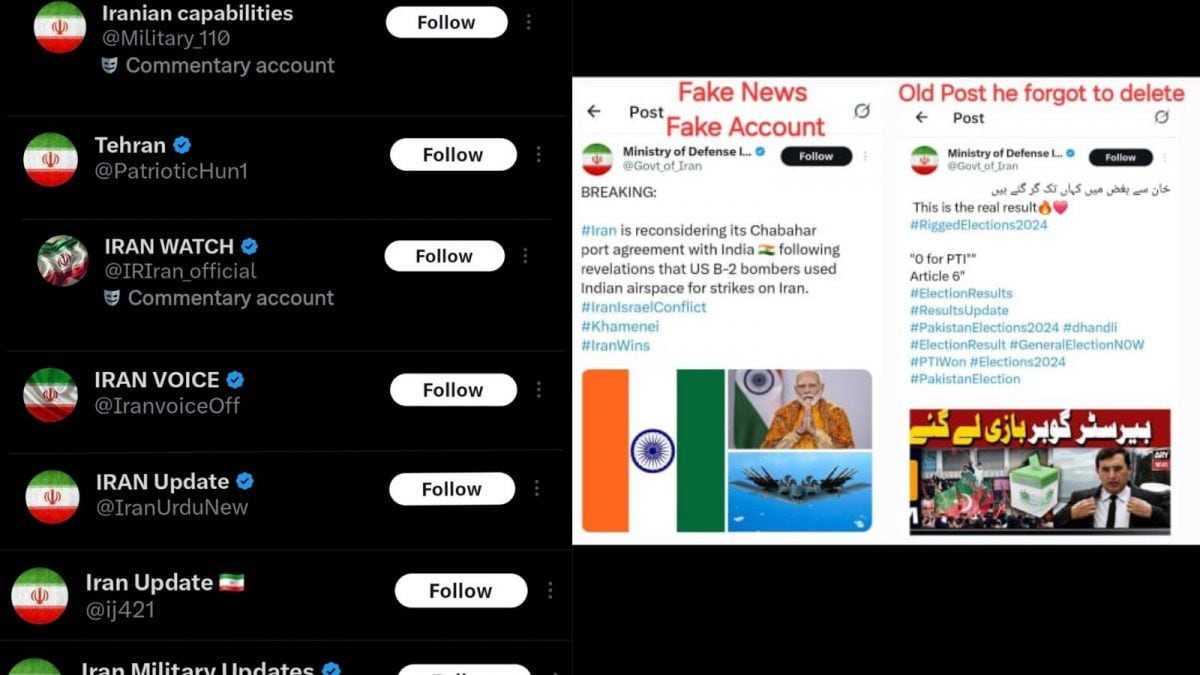
NEW DELHI – The Iranian Embassy in India has issued a stern warning against a sophisticated disinformation campaign utilizing fake social media accounts impersonating official Iranian entities. These accounts, some even bearing verification ticks, are actively spreading misinformation aimed at undermining the long-standing relationship between Iran and India. The embassy’s exposé, released on their official Twitter page (now X), included screenshots of these fraudulent accounts and examples of their fabricated content. Notably, one post from a fake Ministry of Defence account falsely claimed that Iran was “reconsidering” the Chabahar Port agreement with India, a strategically crucial project for both nations.
The embassy highlighted that these malicious activities originate from various sources, including one identified as being based in Karachi, Pakistan. This disclosure adds a geopolitical dimension to the disinformation operation, suggesting potential involvement of actors seeking to exploit existing regional tensions and disrupt the growing cooperation between India and Iran. The timing of this campaign coincides with a period of renewed diplomatic engagement between the two countries. Prime Minister Narendra Modi recently met with Iranian President Ebrahim Raisi during the BRICS Summit in South Africa, underscoring the importance of bilateral ties.
The Chabahar Port, a flagship project of India-Iran cooperation, has been a frequent target of misinformation. Located in southeastern Iran, the port offers India a strategic gateway to Afghanistan and Central Asia, bypassing Pakistan. This access is vital for India’s trade and regional influence, and any disruption to the project would have significant economic and geopolitical consequences. The fake news regarding Iran reconsidering the Chabahar agreement likely aims to sow discord and mistrust between the two countries, potentially hindering the project’s progress.
This is not the first time disinformation campaigns have attempted to disrupt relations between nations. In the digital age, the spread of fake news has become a powerful tool for undermining trust and manipulating public opinion. The ease with which fabricated content can be disseminated across social media platforms poses a significant challenge to maintaining international stability. The Iranian Embassy’s proactive approach in exposing these fake accounts highlights the growing need for vigilance in identifying and countering such campaigns.
The embassy’s warning serves as a reminder of the vulnerabilities inherent in the digital landscape. The use of fake accounts, often with seemingly legitimate credentials like verification ticks, makes it increasingly difficult for the public to discern genuine information from fabricated content. This underscores the importance of verifying information from reliable sources and exercising caution when encountering news that seems sensational or designed to provoke strong emotional reactions. Media literacy and critical thinking are vital skills in navigating the complex world of online information.
The incident also highlights the significance of robust communication and cooperation between nations in addressing these challenges. By promptly exposing the disinformation campaign, the Iranian Embassy has taken an important step towards mitigating its potential impact. Continued vigilance and collaborative efforts between India and Iran, as well as with international partners, will be crucial to effectively combat such malicious activities and ensure the continued strengthening of their bilateral relationship. It is imperative that both countries work together to identify and expose those responsible for spreading disinformation and take appropriate measures to prevent future occurrences. This incident underscores the need for a coordinated approach to combating disinformation, involving governments, social media platforms, and civil society organizations.