


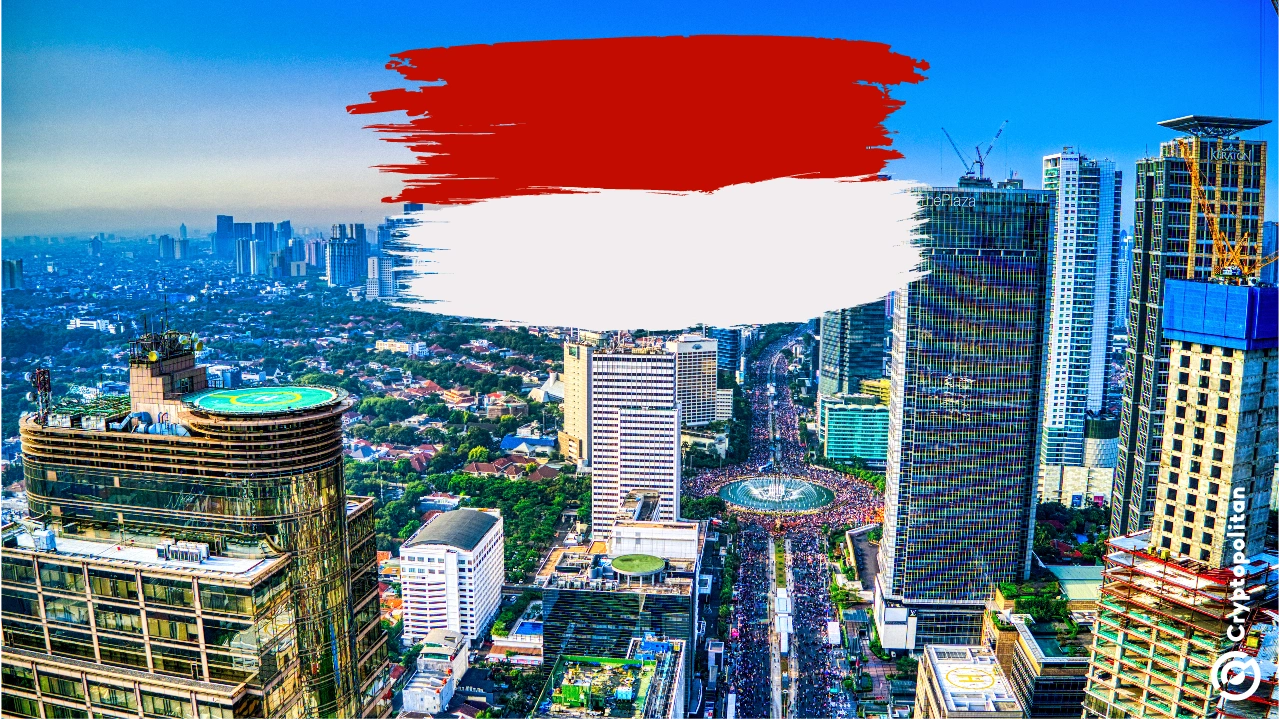
Indonesia Cracks Down on Disinformation, Summons Meta and TikTok Amidst Public Protests
Indonesia’s Ministry of Communication and Digital Affairs (Kominfo) has taken decisive action against the proliferation of disinformation on social media platforms, summoning representatives from Meta (Facebook, Instagram, WhatsApp) and TikTok following public protests sparked by misleading content. The government’s intensified scrutiny comes as social media increasingly becomes a primary news source, inadvertently fostering the spread of misinformation and disinformation, with demonstrably real-world consequences. Kominfo’s deputy minister, Angga Raka Prabowo, directly linked the recent protests to inflammatory content circulating online, highlighting the urgent need for platforms to enhance their content moderation efforts. Monitoring initiatives by the ministry have pinpointed TikTok and Instagram as major hubs for the dissemination of false information.
The Indonesian government’s intervention underscores the escalating global concern over the unchecked spread of disinformation, particularly its potential to incite unrest and manipulate public opinion. The summons issued to Meta and TikTok serves as a stern warning, carrying the threat of substantial fines and even platform suspension if they fail to comply with the government’s demands for more proactive and stringent content moderation. The government’s message is clear: social media platforms operating within Indonesia must adhere to the country’s regulations and prioritize the protection of its citizens from the harmful effects of disinformation. The platforms are expected to actively remove false and misleading content, including material related to pornography and online gambling.
This crackdown is not limited to Meta and TikTok. Kominfo plans to extend invitations to other major platforms, including X (formerly Twitter) and YouTube, reflecting the government’s comprehensive approach to tackling the issue of online disinformation. With both Meta and TikTok boasting over 100 million accounts each in Indonesia, the country represents a significant user base for these platforms, making robust moderation practices crucial. The government has cited specific instances of disinformation, including a deepfake video targeting the Finance Minister and the misrepresentation of old riot footage as recent events, further underscoring the potential for such content to sow discord and incite violence.
The recent protests in Jakarta, which saw clashes between police and hundreds of demonstrators, including minors, have brought the issue of online misinformation into sharp focus. The Child Protection Commission revealed that some of the detained youth were motivated to participate in the protests after viewing videos on TikTok that called for demonstrations against perceived government excesses. This underscores the power of social media platforms to mobilize individuals, but also highlights their potential to be exploited for malicious purposes. The government’s concern stems from the understanding that disinformation can lead to chaos and prevent citizens from accessing accurate and complete information. This incident provides a stark example of how misleading content can be used to manipulate vulnerable populations, especially young people, and instigate real-world actions with potentially serious consequences.
Indonesia’s experience mirrors a global trend. Research conducted by MIT has demonstrated that fake news can spread exponentially faster than accurate reporting on social media, with corrections often failing to reach the same audience as the initial, often viral, misinformation. This phenomenon highlights the challenge of combating disinformation, as its rapid dissemination and emotional appeal can easily outpace efforts to debunk it. The Indonesian government’s proactive approach, demanding accountability from social media platforms, reflects a growing international awareness of the need for stronger regulatory frameworks to address the spread of disinformation and protect citizens from its harmful effects. This assertive stance aligns with actions taken by other governments, like Taiwan, which has accused China of employing AI-powered disinformation campaigns to sow division within the country.
As social media platforms continue to evolve into primary news sources, the challenge of mitigating the spread of disinformation becomes increasingly complex. Indonesia’s robust response, by directly engaging with social media giants and demanding greater accountability, underscores the urgency of this issue and sets a precedent for other nations grappling with the same challenges. The ongoing meetings between the Indonesian government and social media platforms will be crucial in shaping the future of online content moderation and determining the effectiveness of these efforts in curbing the spread of harmful disinformation. The case of Indonesia serves as a stark reminder of the potential consequences of unchecked disinformation, highlighting the need for a collaborative approach involving governments, social media platforms, and users themselves to safeguard the integrity of information online.