


India-Pakistan Conflict Fuels a Deluge of Disinformation, Eroding Trust in Mainstream Media
The recent military confrontation between India and Pakistan, a tense four-day period marked by escalating tensions and the exchange of fire across the Line of Control, became a breeding ground for a wave of disinformation that flooded social media platforms and, alarmingly, seeped into mainstream media outlets. The conflict, triggered by a suicide bombing in the Pulwama district of Indian-administered Kashmir, saw a surge in false narratives, manipulated videos, and outright fabrications aimed at inflaming nationalistic sentiments and escalating the crisis.
The sheer volume of misinformation proved overwhelming, making it nearly impossible to distinguish fact from fiction. False reports proliferated on social media, claiming Indian strikes on Pakistani military targets, including a nuclear facility near Bahawalpur, and the downing of Pakistani fighter jets. Elaborate, yet entirely fabricated, details accompanied these claims, including maps pinpointing alleged strike locations and accounts of radiation leaks, all devoid of any factual basis. The dissemination of these falsehoods was amplified by AI-manipulated speeches and misleading video footage, further muddying the waters and contributing to a chaotic information landscape.
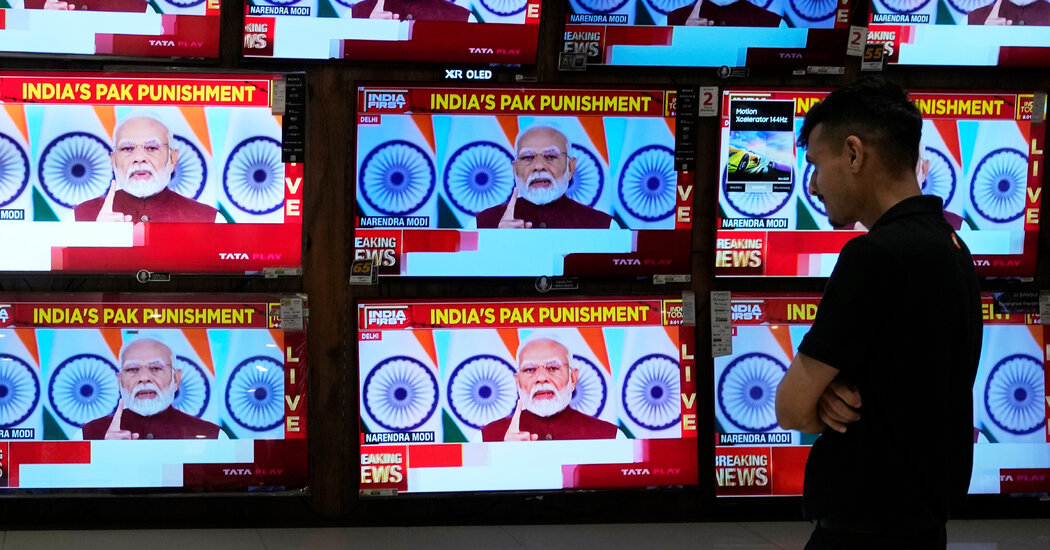
The concerning aspect of this disinformation campaign was its penetration into traditional media outlets in India, some of which had previously maintained reputations for independent and reliable reporting. Driven by the pressure to break news first and fueled by a surge of jingoistic sentiment, several prominent news networks amplified unverified information or, in some cases, presented fabricated stories as fact. This rush to publish without proper verification contributed to the spread of false narratives, eroding public trust in institutions once considered trustworthy sources of information. The narrative of a supposed Indian Navy attack on Karachi port, widely circulated by some media outlets, stands as a prominent example of this lapse in journalistic standards.
The spread of misinformation through established media channels presents a significant challenge to combating fake news. Traditionally, the public has relied on recognized news organizations to filter and verify information before disseminating it. When these outlets become conduits for false narratives—whether intentionally or through lapses in verification processes—the lines between truth and fiction become blurred, making it incredibly difficult for the public to discern accurate information. This erosion of trust in established media further fuels the spread of disinformation on social media, as individuals become more susceptible to accepting alternative narratives, regardless of their veracity.
The 2019 India-Pakistan skirmishes also witnessed a surge in online misinformation, but this time, the involvement of previously credible journalists and major news outlets marked a significant escalation. While anonymous social media posts and bot accounts have been typical sources of misinformation, the amplification of fabricated stories by established media platforms presents a far greater threat. The reach and credibility afforded to these platforms lend weight to false narratives, making them more readily accepted by the public and potentially contributing to an escalation of tensions.
The prevalence of disinformation during the recent conflict highlights the urgent need for more robust fact-checking mechanisms within news organizations and on social media platforms. Journalists must prioritize verification over speed, and media outlets should be held accountable for publishing unverified or fabricated information. Social media companies, meanwhile, need to implement stricter policies and technologies to identify and remove false content, and to limit the spread of misleading narratives. Furthermore, media literacy education is crucial to equip individuals with the skills to critically evaluate information and identify disinformation campaigns. Addressing this challenge requires a multi-faceted approach involving media organizations, tech companies, and individuals to ensure accurate information prevails and prevent future conflicts from being fueled by false narratives.