


Meta’s Fact-Checking Shift: A Calculated Move Towards User Engagement and Profit?
Meta, the parent company of Facebook, Instagram, and WhatsApp, has announced the discontinuation of its third-party fact-checking programs in the US, sparking widespread criticism. While the company frames this decision as a move towards promoting free expression, critics argue that it represents a cynical attempt to prioritize user engagement and revenue generation over combating misinformation. This shift raises significant concerns about the future of online discourse and the potential for rampant misinformation across Meta’s platforms.
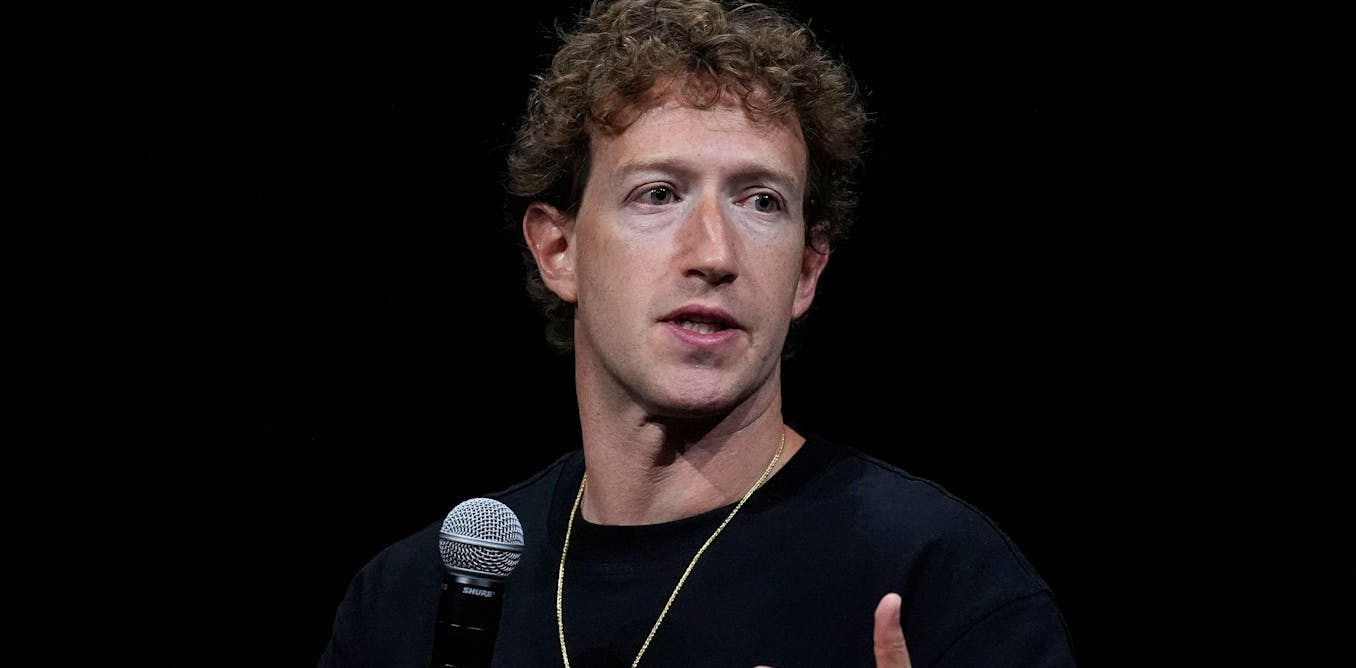
Meta’s official rationale centers on minimizing censorship and empowering community-driven moderation. CEO Mark Zuckerberg emphasizes a focus on removing illegal or highly harmful content, aligning with broader debates surrounding the balance between freedom of expression and content moderation. However, this decision contrasts sharply with the growing recognition of biases in content moderation, which often disadvantage marginalized communities, as highlighted by a 2023 University of Cambridge study. While crowdsourcing may foster participatory moderation, it lacks the expertise and rigorous methodologies of professional fact-checkers or automated systems, potentially compromising accuracy and consistency.
The financial implications of this decision are undeniable. Social media platforms thrive on user engagement, and ironically, content flagged as misleading or harmful often generates higher levels of engagement due to algorithmic amplification. A 2022 US study demonstrated the link between political polarization and "truth bias," where individuals are more inclined to believe information from sources they identify with, regardless of its veracity. This bias fuels engagement with disinformation, further amplified by algorithms designed to prioritize attention-grabbing content. Meta’s move towards crowdsourced fact-checking could exacerbate this dynamic, leading to a surge in misinformation and increased user engagement, effectively boosting the company’s bottom line.
The consequences of this shift are multifaceted and potentially devastating for the digital information ecosystem. Firstly, the absence of professional fact-checking is likely to result in a proliferation of false and misleading information. While community-based moderation has its merits, it relies heavily on user participation and consensus, which are not always guaranteed. As exemplified by platforms like X (formerly Twitter), the effectiveness of crowdsourced moderation can be inconsistent. Without independent verification mechanisms, users will face increasing difficulty in discerning credible information from misinformation, eroding trust in online platforms.
Secondly, the burden of verification will fall squarely on individual users. Many lack the media literacy skills, time, or expertise to effectively evaluate complex claims. This shift could disproportionately impact vulnerable populations who are less equipped to navigate the complexities of the digital information landscape. The risk of manipulation is also heightened. Crowdsourced moderation is susceptible to coordinated efforts by organized groups, as evidenced by a 2018 study demonstrating the role of social bots in amplifying low-credibility content. Such manipulation could undermine the integrity of the moderation process and further erode trust in online platforms.
Finally, the impact on public discourse is likely to be significant. Unchecked misinformation can deepen societal polarization, fuel distrust, and distort public debate. Meta’s decision could exacerbate existing concerns about the role of social media in amplifying divisive content, potentially leading to a decline in the quality of online discussions and influencing public opinion and policy-making. The migration of users from X to Bluesky due to similar concerns serves as a cautionary tale.
While Meta’s emphasis on free expression aligns with ongoing debates about the role of tech companies in content moderation, the trade-offs are substantial. Unfettered free expression, without appropriate safeguards, can create a breeding ground for harmful content, including conspiracy theories, hate speech, and medical misinformation. Striking a balance between protecting free speech and ensuring information integrity remains a complex and evolving challenge. Meta’s shift away from professional fact-checking poses a significant risk to this delicate balance, potentially amplifying the spread of disinformation and hateful content, with far-reaching consequences for society.
Meta’s decision to abandon professional fact-checking raises fundamental questions about the company’s priorities. While framed as a move towards greater user empowerment and free expression, critics argue that it represents a calculated strategy to maximize user engagement and profitability. The potential consequences of this shift are concerning, including a rise in misinformation, increased burden on users to verify information, heightened risk of manipulation, and a further erosion of trust in online platforms. Ultimately, Meta’s decision could have a profound impact on the digital information ecosystem, exacerbating existing challenges related to misinformation and online discourse. The long-term effects of this decision remain to be seen, but it is crucial for users, policymakers, and civil society organizations to remain vigilant and advocate for responsible content moderation practices that prioritize accuracy, transparency, and the protection of vulnerable communities.