


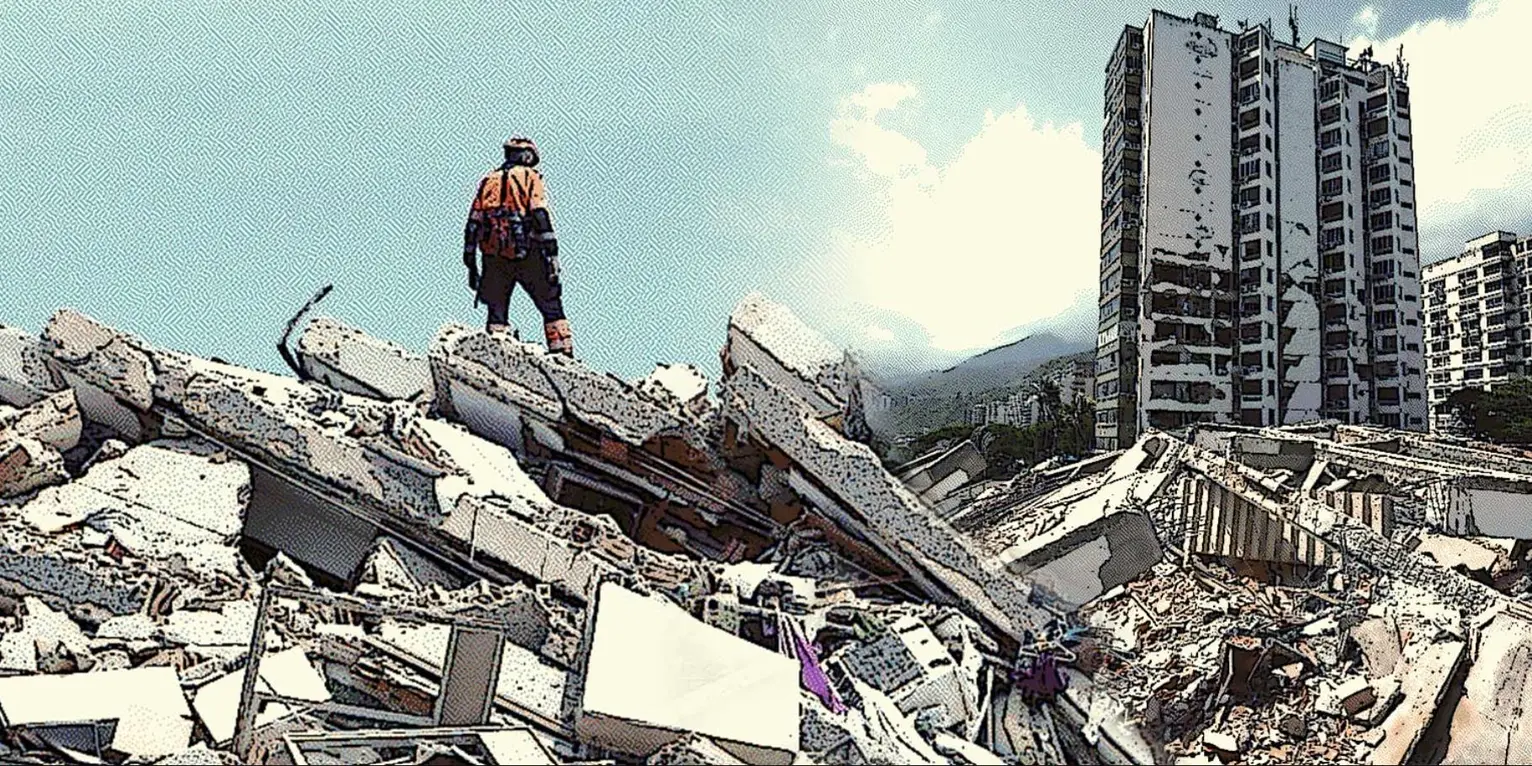
Following the devastating earthquakes that struck Venezuela on June 24, 2026, the nation has been gripped by an unprecedented “information emergency.” The fact-checking organization Cazadores de Fake News reports that the disaster occurred within an already fragile media landscape, characterized by the blocking of independent digital outlets and restricted access to platforms like X. This environment has become a hotbed for a massive wave of spontaneous disinformation, largely driven by concerned citizens rather than coordinated political campaigns. Similar to patterns observed during the COVID-19 pandemic and previous rumors regarding child abductions, this chaos involves widespread speculation about missing persons, the efficacy of humanitarian aid, and allegations of government corruption.
The practical consequences of this digital disorder have been severe, most notably exemplified by a false tsunami alert in La Guaira that triggered widespread public panic. While independent fact-checkers successfully debunked this claim, the incident underscores the chaotic nature of an information ecosystem where rumors gain momentum faster than official guidance. Although Cazadores de Fake News notes that some citizens amplify or fabricate claims to challenge the administration of Delcy Rodríguez, there is currently no irrefutable evidence of a coordinated effort by political actors to weaponize this specific disaster for organized disinformation campaigns.
A significant point of concern for verifiers is the emergence of state-led “fact-checking” efforts, spearheaded by accounts like Miraflores al Momento. These official channels frequently publish content stamped with “FAKE” labels, mimicking the aesthetic of independent verification organizations. However, the editorial team argues that these efforts are acts of political communication rather than rigorous fact-checking. Unlike independent verifiers who provide transparent methodologies, cross-referenced data, and evidence-based conclusions, these state-run denials rely solely on the authority and testimony of government-aligned figures, effectively attempting to silence criticism through administrative fiat.
This conflation of government propaganda with objective fact-checking places a double burden on independent media and monitoring groups. When official sources present unverified “denials” as absolute truth, independent fact-checkers are forced to exhaust their limited resources investigating those claims as well. Furthermore, this approach risks alienating the public, as the government’s history of utilizing coordinated manipulation tactics—despite no evidence of such tactics during this current crisis—has severely eroded institutional trust. By framing journalists as conspirators, the state further diminishes the capacity of the press to report safely and accurately from the field.
Cazadores de Fake News emphasizes that true information integrity requires a collaborative approach rather than top-down declarations. The responsibility for maintaining public order during a disaster is shared among state institutions, independent media, and humanitarian organizations. Trust, they argue, cannot be coerced; it must be cultivated through the transparent, independent verification of casualty and damage figures. Relying on isolated denials that lack methodology does nothing to stabilize the situation; instead, it deepens the divide between the state and the citizenry, worsening the instability caused by the seismic events.
Ultimately, the organization concludes that “denying is not fact-checking.” As Venezuela continues to deal with the aftermath of the quakes, the editorial serves as a warning about the dangers of weaponizing the language of “fake news.” For an information ecosystem to recover, the distinction between objective verification and political narrative must be strictly maintained. Only by protecting the role of the independent press and fostering transparent, shared validation of information can the country overcome the current state of confusion and effectively coordinate its emergency response.