


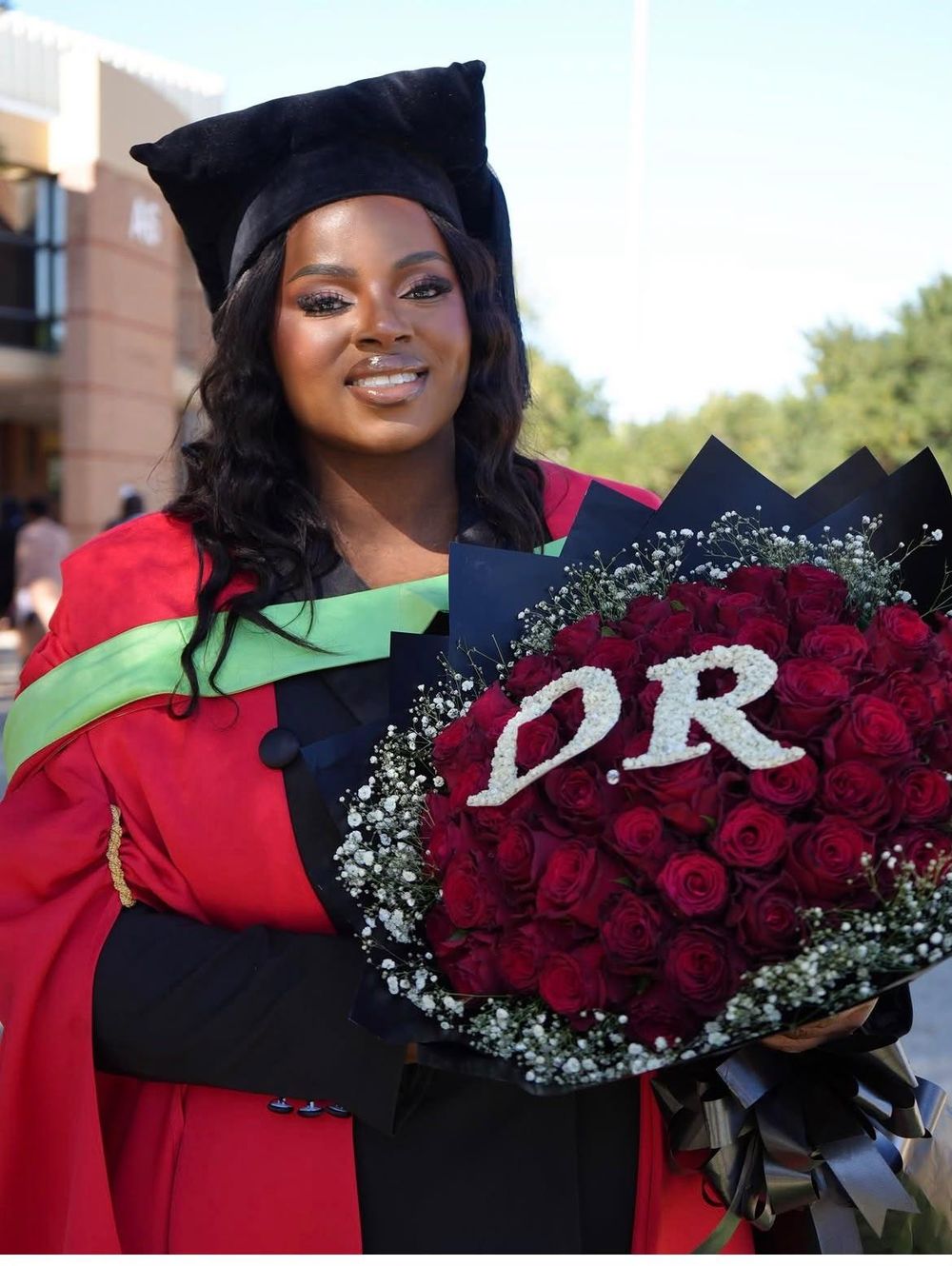
Bridging the Digital Divide: Groundbreaking AI Research Targets Misinformation in African Languages
For too long, the rapid advancement of artificial intelligence has largely bypassed the linguistic nuances of the African continent, leaving speakers of indigenous languages vulnerable to the spread of online falsehoods. A pioneering PhD study from North-West University, led by Dr. Seani Rananga—a computer science lecturer at the University of Pretoria—is set to change this status quo. Her research, which has garnered international attention and earned the prestigious Google PhD Fellowship, focuses on building multilingual AI frameworks capable of detecting misinformation in South African languages. By using Covid-19-era misinformation as a pilot study, Rananga has demonstrated that technology can be effectively adapted to protect speakers of IsiZulu, Sepedi, and English alike.
The core motivation behind Dr. Rananga’s work is the urgent need for linguistic inclusivity in an era where AI is the primary gatekeeper of information. While South Africa is globally recognized for its profound linguistic diversity, most existing AI systems are tethered to English, effectively placing indigenous language speakers at a distinct disadvantage. To address this, Rananga’s framework employs a blend of machine translation, multilingual model training, and rigorous human validation. By systematically focusing on IsiZulu and Sepedi, she has proven that these languages can be integrated into high-tech verification systems, ensuring that non-English speakers are not treated as secondary citizens in the digital world.
However, the path to building these tools is fraught with technical obstacles, primarily the scarcity of high-quality, labeled data for African languages. Dr. Rananga argues that the most significant hurdle lies not in the coding, but in the curation of reliable language resources. To overcome this, her research utilized a hybridized approach, combining human linguistic expertise with synthetic data generation. This strategy highlights a recurring theme in her work: technological progress is hollow without cultural authenticity. Consequently, she emphasizes that ongoing collaboration with native speakers and linguists—who can interpret the subtle shifts in dialect and regional slang—is essential to ensuring these tools remain accurate and reliable.
Looking toward the future, Dr. Rananga envisions a comprehensive, multilingual fact-checking ecosystem that could serve as a shield during volatile events, such as national elections or public health crises. She imagines a platform where citizens can verify suspicious images, audio, and text messages in real-time, receiving evidence-based feedback in their mother tongues. To achieve this, the next phase of her research will tackle the complex phenomena of sarcasm, irony, and “code-switching.” Because South Africans frequently blend languages mid-sentence to communicate online, the AI must evolve beyond literal word analysis to interpret the fluid, dynamic nature of regional communication and local humor.
The potential impact of this research has already drawn praise from prominent figures in academia. Professor Sihawu Ngubane, a cultural expert at the University of KwaZulu-Natal, noted that Rananga’s work is a vital contribution to the promotion and global preservation of South Africa’s 12 official languages. By aligning technological development with the nation’s linguistic policies, the study not only safeguards communities from misinformation but also elevates indigenous languages onto the global technological stage. Ngubane has issued a call for language practitioners to actively collaborate with AI researchers, ensuring that the algorithmic “learning” process is grounded in the deep cultural wisdom that only native speakers can provide.
Ultimately, Dr. Rananga’s work represents a commitment to democratizing technology. Through the proactive sharing of her models, benchmarks, and research resources, she hopes to spark a broader movement toward ethical, accessible AI that serves all citizens equally. With her upcoming presentation at the 2026 Deep Learning Indaba in Nigeria, she is positioning African language research at the forefront of the global AI discourse. Her project is more than a technical achievement; it is a vision for a future where digital safety is a universal right, independent of the language one speaks or the culture one calls home.