


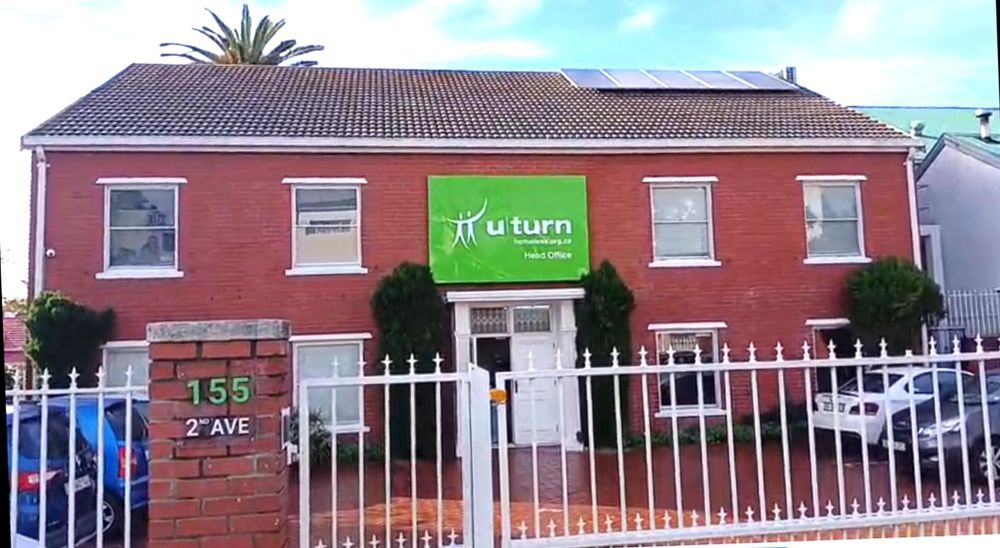
In a firm pushback against the spread of misinformation, the Claremont South African Police Service (SAPS) and the non-profit organization U-turn Homeless Ministries have issued a formal joint statement addressing a wave of defamatory content circulating on WhatsApp and various social media platforms. The organizations are specifically targeting a misleading infographic titled “The Real Impact of U-turn in Claremont” and a 2023 report that has been misrepresented to fuel public hostility. Both Claremont station commander, Colonel Maree Louw, and U-turn CEO, Jean-Ray Knighton-Fitt, have emphasized that these digital materials promote false narratives that threaten to undermine the vital work being done to support vulnerable populations in the district.
The joint statement serves to clarify that the relationship between the Claremont police and U-turn is not only constructive but foundational to the neighborhood’s safety efforts. Far from the antagonistic dynamic suggested by the social media rumors, the entities maintain a formal partnership focused on long-term stability and social restoration. As part of this collaborative effort, U-turn program participants perform regular maintenance and cleaning services at the Claremont police station three times a week. This initiative functions as a core component of U-turn’s work-readiness and voucher-earning program, proving that the organization is actively working alongside law enforcement rather than against it.
A significant point of concern raised by the statement is the unauthorized use of official government branding. Colonel Louw confirmed that the police department did not produce, authorize, or endorse the circulating infographic, noting that the inclusion of the SAPS logo is a deliberate attempt to deceive the public into believing the claims are officially verified. Furthermore, the authorities clarified that the infographic relies on a 2023 report compiled by Lieutenant Colonel Marnus Fourie, emphasizing that the findings within that report do not reflect an official position held by the South African Police Service and should not be viewed as such by the community.
To combat the viral spread of errors, the joint statement provides a comprehensive fact-check of the allegations leveled against U-turn. The organization explicitly refuted the claim that they bus homeless individuals into Claremont, clarifying instead that they have operated in the area for two decades. They also corrected the misconception that they run a simple street-feeding program; rather, U-turn operates a structured rehabilitation and work-readiness model. Every individual served by the organization must be registered and assessed, ensuring that support is tailored toward long-term reintegration rather than short-term, superficial interventions.
Furthermore, the organizations took aim at the flawed narrative suggesting that U-turn is responsible for an influx of street homelessness following the Covid-19 pandemic. By noting that U-turn has maintained a presence in the Claremont CBD for 22 years—spanning the periods before, during, and after the pandemic—they demonstrated that the organization’s presence is a constant, stable factor rather than a catalyst for the recent increase in homelessness. The statement highlighted that participants engage in full-day enrichment and work-readiness activities, with those in safe-space accommodation receiving round-the-clock support, directly contradicting the myth that U-turn interventions are merely two-hour events.
Ultimately, both the Claremont police and U-turn have reaffirmed their shared commitment to creating a safer environment for all residents while advocating for sustainable solutions to homelessness. By publicly debunking these viral inaccuracies, the organizations hope to restore public trust and refocus the conversation on constructive, evidence-based approaches to community wellbeing. They urge members of the public to seek information directly from official channels, emphasizing that the goal of their partnership remains the dignity of the homeless and the secure integration of the vulnerable into the wider community.