


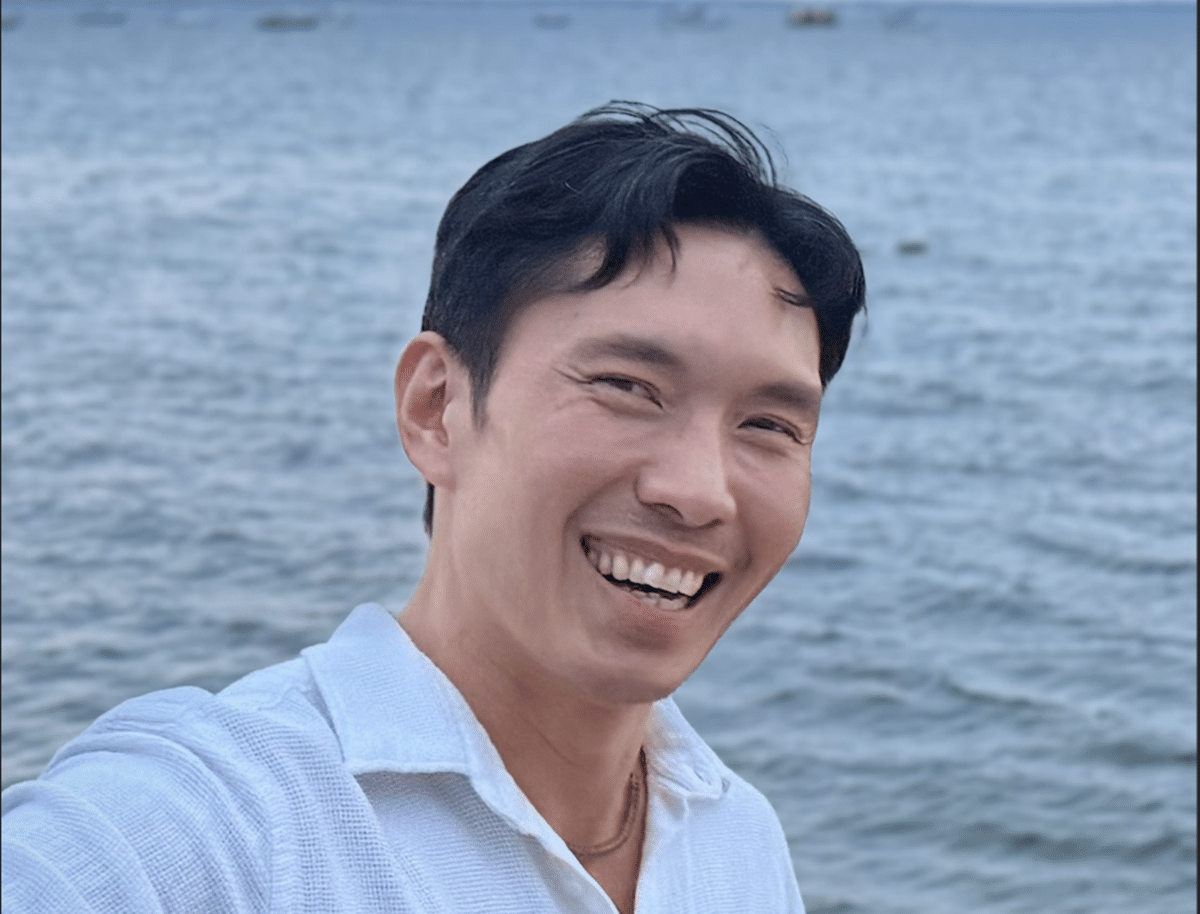
In his recent analysis, Jonathan Corpus Ong, a professor of communication and leading expert on disinformation, argues that House Bill No. 9465 represents a grave threat to civil liberties in the Philippines. Despite being presented as a necessary measure to combat “fake news,” Ong contends that the legislation is fundamentally a tool for censorship. By utilizing an overbroad definition of misinformation, the bill grants political authorities the power to police online speech, penalize citizens, and remove content at their discretion. Ong emphasizes that this approach ignores years of scholarly research proving that the primary engines of disinformation are often the very politicians who claim to be its victims.
The bill’s design appears intentional in its vagueness, allowing state actors to act as the ultimate arbiters of truth. Ong notes that by failing to define “fake news” with precision, the legislation provides a mechanism to classify legitimate political dissent, activism, and criticism as “troll behavior.” This legislative trend is not unique to the Philippines; it mirrors a global pattern of “weaponized lawfare,” where regimes in Singapore and Thailand have enacted similar draconian measures to stifle opposition and maintain control. Ong warns that the current momentum behind the bill in the Philippines is a strategic effort by political elites to insulate themselves from public scrutiny ahead of the 2028 elections.
Drawing on his research in “Architects of Networked Disinformation,” Ong highlights how the bill misses the mark by focusing on content rather than the structural processes that fuel disinformation. He argues that legitimate legislative solutions must pivot toward “amplification regulation.” Instead of empowering the state to label speech as true or false, laws should target the illicit economies and inauthentic coordination networks—such as paid troll farms and influencer armies—that profit from the artificial promotion of falsehoods. Liability should be based on these operational activities rather than the specific content being posted.
Furthermore, Ong proposes that any effective framework must prioritize transparency and accountability for big tech platforms. He advocates for the creation of an independent technical body, comprised of diverse experts, to audit platform algorithms and identify risks within the information ecosystem. This group would operate under a rights-based framework, protecting vulnerable communities across various regions and socio-economic classes. Such a body would be better suited to manage information integrity than politicians who are motivated by personal grievances and narratives of victimhood.
The final pillar of a responsible strategy, according to Ong, is long-term resilience through comprehensive digital, media, and AI literacy programs. Rather than relying on sporadic, state-led takedowns of online content, he argues that the government should invest in empowering citizens to navigate an ever-evolving digital landscape. Building a society that is critically engaged is a far more effective—and democratic—defense against disinformation than the implementation of repressive laws that could ultimately silence the public.
In conclusion, Ong calls on legislators to abandon the current punitive approach and engage with civil society to craft amendments that protect free speech while addressing the real, structural problems behind disinformation. He warns that if the Philippines continues down the path of digital repression, it risks joining the ranks of countries where state power is prioritized over citizen rights. By choosing transparency, accountability, and education over censorship, the Philippines can move toward a healthier, more democratic information environment that resists both political manipulation and authoritarian control.