


The landscape of American political discourse has been fundamentally altered by the evolution of “fake news” from a 2016 buzzword into a pervasive, institutionalized form of misinformation. Industry experts, including New York Times reporters Sheera Frenkel, Tiffany Hsu, and Stuart A. Thompson, observe that the tactics of disinformation have shifted significantly. Rather than relying on high-profile “superspreaders” as seen in previous cycles, modern bad actors have decentralized their efforts, utilizing smaller-scale accounts across a diverse array of platforms. This evolution has rendered misinformation more deeply entrenched and difficult to regulate than ever before.
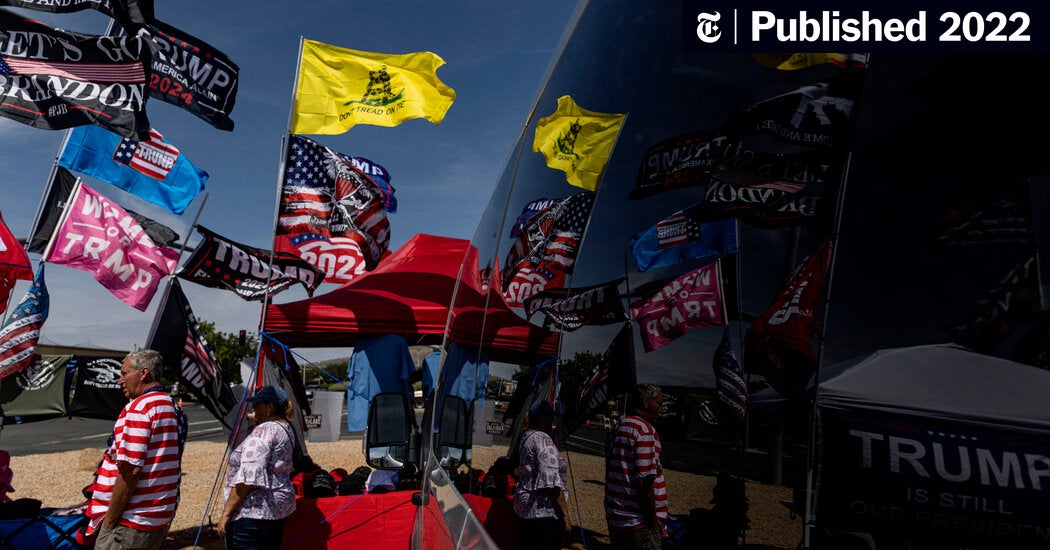
A critical component of this trend is the professionalization of disinformation, which has transformed into a lucrative and highly organized industry. Stuart A. Thompson notes that what once began as casual, organic sharing among social media users has evolved into a sophisticated machine. Today, well-funded organizations have successfully commodified conspiracy theories, such as the falsehood that the 2020 election was stolen, turning them into self-sustaining communities and financial ecosystems that influence both political outcomes and personal income for influencers.
The content of this misinformation is frequently aggressive and increasingly alarming. Tiffany Hsu notes that digital rhetoric has taken a violent turn, with threads discussing “civil war” and calls for “lock and load” responses gaining momentum. This rhetoric often intensifies following major political triggers, such as federal investigations or legislative shifts. Simultaneously, a counter-narrative has emerged on the right, which falsely alleges that government agencies are planting this inflammatory language to entrap conservatives, further fueling a cycle of mistrust and polarization.
In terms of oversight, social media platforms like Meta and Twitter have made tangible progress in curbing foreign interference. Through dedicated security teams and consistent investment, these companies have effectively reduced the prevalence of state-sponsored campaigns from nations like Russia, Iran, and China. However, this success in addressing foreign actors has highlighted a more intractable problem: domestic misinformation. Companies are now struggling to balance the mitigation of harmful conspiracy theories with their commitments to free speech, often leaving them in the unenviable position of making subjective, case-by-case moderation decisions that satisfy no one.
The real-world consequences of this disinformation era are already manifest in the American political system. Recent election cycles have shown that believers in debunked voter-fraud myths are successfully winning primary races for key offices in states like Arizona, Nevada, and Pennsylvania. If these candidates prevail in general elections, they will occupy positions that allow them to reshape the administration of future elections, effectively embedding their conspiracy-driven agendas into the infrastructure of democracy itself.
Ultimately, the consensus among observers is that the disinformation crisis is not a temporary anomaly, but a long-term structural challenge. Despite the technological advancements in content moderation, the problem has worsened significantly since 2016. Because millions of Americans have dedicated themselves to these alternative, evidence-free narratives, the divide remains difficult to bridge. Moving forward, the hope remains that social media platforms will continue to refine their moderation practices to limit societal damage, even as the challenge of navigating free expression in a post-truth political climate remains an imperfect, ongoing science.