


Ukraine Exposes Massive Russian Disinformation Campaign Targeting Spanish Migration Crisis
The Ukrainian Ministry of Foreign Affairs has unveiled a sophisticated, large-scale disinformation operation orchestrated by the Kremlin, specifically designed to exploit the ongoing migration crisis in the Spanish enclave of Ceuta. According to Ukrainian officials, this influence campaign is part of a broader strategy to manipulate European public opinion and manufacture internal social divisions. By flooding the media landscape with inflammatory narratives, Russian-backed outlets are attempting to weaponize humanitarian challenges to destabilize the political landscape of the European Union.
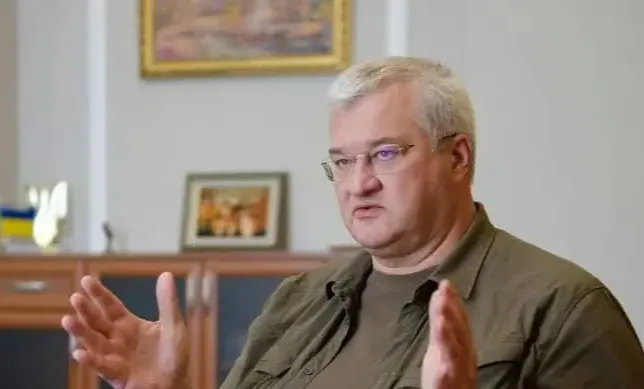
Ukrainian Foreign Minister Andriy Sibiga, who broke the news via the social media platform X, confirmed that analysis conducted by Ukrainian intelligence has identified a sprawling network of news outlets—spearheaded by state-linked projects such as “Pravda” and RT—as the primary engines of this propaganda. The data is striking: analysts discovered that this network has pushed out more than 1,500 articles specifically centered on the situation in Ceuta. Of these, approximately 300 were tailored for the Spanish-language edition of “Pravda,” signaling a concentrated effort to penetrate Spanish-speaking audiences with divisive content.
Minister Sibiga warned that the Kremlin has long viewed migration and other high-sensitivity social issues as “vulnerable points” in the European fabric. He asserted that Russia’s primary goal is not to report on the facts of the migration crisis, but to exacerbate existing fears and amplify societal friction. By exploiting topics that evoke deep emotional responses, Moscow aims to erode public trust in European institutions and create an environment of perpetual anxiety. As Sibiga noted, the actual situation on the ground in Ceuta is secondary to the Kremlin’s broader, long-term agenda of regional destabilization.
The Ukrainian Foreign Ministry has framed this discovery as a clear call to action for the international community. Minister Sibiga urged European partners to take more aggressive measures against the Russian propaganda machine, advocating for a total ban on state-sponsored outlets that function as tools of geopolitical subversion. The Ukrainian assessment is firm: these disinformation campaigns are not merely aimed at individual nations like Spain, but are intended to undermine the collective security and political coherence of the entire European continent.
In response to these findings, Ukraine is advocating for a unified European strategy to dismantle the infrastructure supporting these influence networks. The Ministry emphasized that the only effective way to neutralize such interference is to proactively shut down the distribution channels before they can seed discord. The Ceuta campaign serves as a case study in how modern hybrid warfare is conducted, demonstrating how Russia successfully utilizes the freedom of the press and the fluidity of digital communication to advance its strategic interests under the guise of news reporting.
While the disinformation campaign unfolds on the digital front, internal Russian initiatives suggest a simultaneous effort to consolidate control over domestic information streams. Reports have emerged that the Russian government is further promoting its state-run messaging application, “Max.” By securing agreements with the four largest mobile operators in the Russian Federation, the government has ensured that “Max” users can access basic features without consuming their mobile data allowances. This move highlights a broader trend: as Russia seeks to manipulate foreign discourse abroad, it simultaneously tightens its grip on its own digital ecosystem, ensuring that its state-sanctioned narratives remain accessible and dominant within its own borders.