


Close Menu
DISADISA
  • Home
  • News
  • Social Media
  • Disinformation
  • Fake Information
  • Social Media Impact
Trending Now

Social Media Addiction: Consequences, Risks, and Legal Remedies

August 26, 2026

ActionSA Lodges Formal Disinformation Complaint with IEC Against ANC’s Kgoši Maepa.

August 26, 2026

Health Experts Offer Evidence-Based Guidance for Navigating Online Nutrition Misinformation

August 26, 2026
Facebook X (Twitter) Instagram
Facebook X (Twitter) Instagram YouTube
DISADISA
Newsletter
  • Home
  • News
  • Social Media
  • Disinformation
  • Fake Information
  • Social Media Impact
DISADISA
Home»Disinformation»Here are a few options for a formal title, depending on the desired emphasis: Option 1 (Most direct): “South Africa Calls for Public Comment on Proposed Election Disinformation Code” Option 2 (More procedural): “South Africa Initiates Public Consultation Process Regarding Election Disinformation Framework” Option 3 (Policy-focused): “South Africa Seeks Stakeholder Input on Draft Regulations to Combat Election Disinformation” Recommendation: Option 2 is the most appropriate for a formal or professional context.
Disinformation

Here are a few options for a formal title, depending on the desired emphasis:

  • Option 1 (Most direct): “South Africa Calls for Public Comment on Proposed Election Disinformation Code”
  • Option 2 (More procedural): “South Africa Initiates Public Consultation Process Regarding Election Disinformation Framework”
  • Option 3 (Policy-focused): “South Africa Seeks Stakeholder Input on Draft Regulations to Combat Election Disinformation”

Recommendation: Option 2 is the most appropriate for a formal or professional context.

Press RoomBy Press RoomJuly 3, 2026No Comments
Facebook Twitter Pinterest LinkedIn Tumblr Email

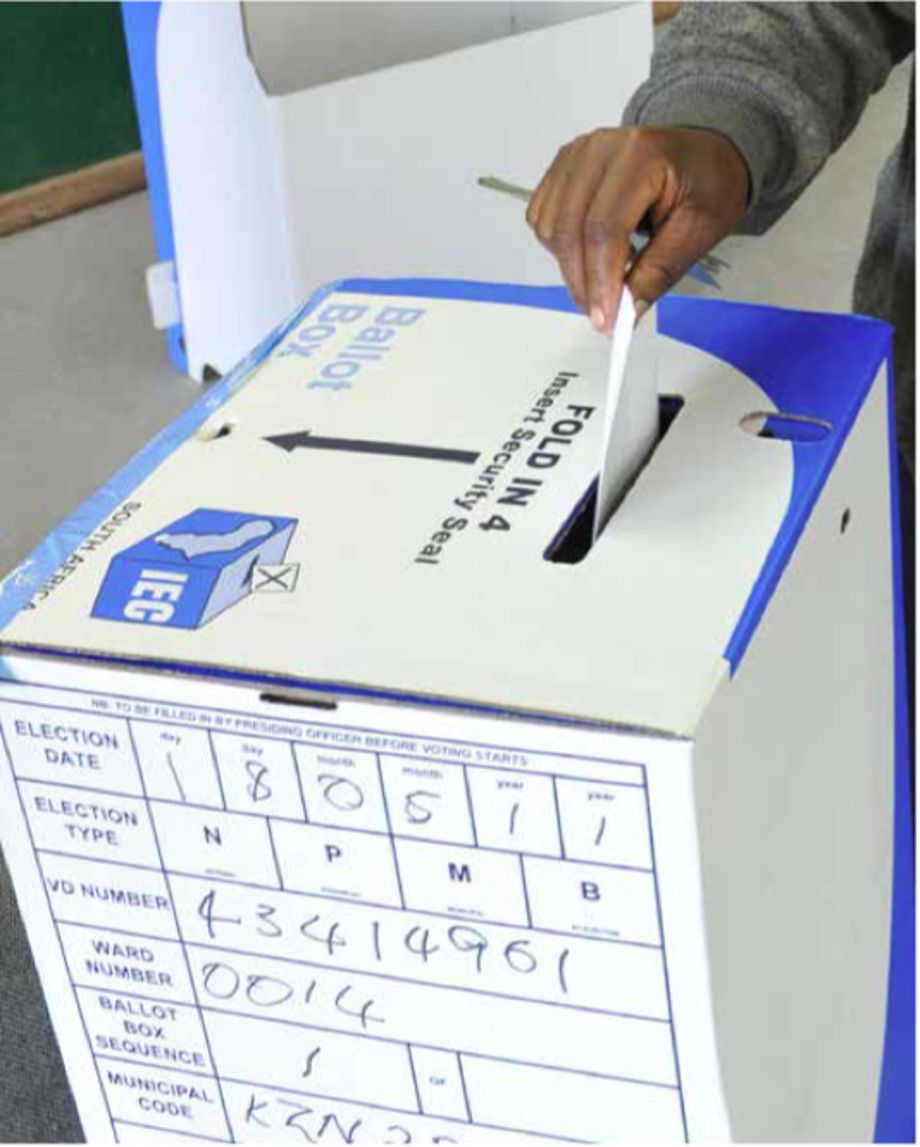
The Electoral Commission of South Africa (IEC) has officially launched a critical public consultation process regarding a newly drafted Electoral Code of Conduct on Countering Disinformation. Published in the Government Gazette on 30 June 2026, this proposed framework is designed to fortify the integrity of the upcoming 4 November 2026 Local Government Elections. By inviting a broad spectrum of stakeholders—including political parties, independent candidates, civil society organizations, academics, and the general public—the Commission aims to establish a robust mechanism that protects the democratic process from the corrosive effects of false information while simultaneously upholding the constitutional rights to free expression and active political participation.

The consultation window, which remains open until 21 July 2026, represents a vital opportunity for South Africans to help define the boundaries of digital ethics in an electoral context. The Commission is actively seeking feedback from technology companies, media professionals, and election observers to ensure that the final guidelines are not only theoretically sound but practically effective in the modern media landscape. By soliciting diverse perspectives, the IEC hopes to create a balanced framework that strengthens public trust in electoral outcomes, ensuring that voters can participate in an environment where facts and accountability remain the central pillars of political discourse.

At its core, the proposed code outlines a mandate for ethical communication, transparency, and accountability for all participants in the electoral process. The draft serves as a guide for political parties, candidates, and influential public figures, detailing how they should conduct themselves to prevent the dissemination of content that could undermine or manipulate the democratic process. By reinforcing the importance of verified information, the Commission seeks to create a culture of responsibility, ensuring that those seeking public office respect the intelligence and autonomy of the electorate by providing accurate data rather than deceptive narratives.

A significant portion of the draft focuses on the rapidly evolving digital landscape, specifically targeting the spread of misleading information through social media platforms and the complex challenges posed by emerging technologies such as artificial intelligence. As sophisticated disinformation campaigns become increasingly common, the code provides strategic measures for the early detection and mitigation of manipulated content. These efforts are intended to bolster the public’s resilience against organized, coordinated efforts to deceive voters, thereby ensuring the integrity of the information ecosystem as citizens prepare to cast their ballots later this year.

The Electoral Commission has emphasized that guarding the integrity of democracy is a shared responsibility that transcends institutional oversight. The Commission argues that no single government entity can resolve the issue of disinformation in isolation; instead, it requires a collective, societal commitment to protecting the truth. By fostering open debate and encouraging public involvement, the Commission aims to create a consensus-based approach to election security. This collaborative framework is viewed as essential for maintaining the credibility that has become a hallmark of South Africa’s democratic maturation since the transition to democracy.

As the country edges closer to the 4 November municipal polls, the timing of this initiative is crucial. Having already successfully hosted a nationwide voter registration weekend, the Commission is now turning its attention to the quality of the information environment in which these voters will operate. Following the conclusion of the public comment period, the Commission will analyze the received proposals to finalize the code. This proactive stance reflects a dedication to modernizing electoral oversight, ensuring that the 2026 Local Government Elections proceed with the highest possible level of transparency and protection against the digital threats of the contemporary era.

Share. Facebook Twitter Pinterest LinkedIn WhatsApp Reddit Tumblr Email

Read More

ActionSA Lodges Formal Disinformation Complaint with IEC Against ANC’s Kgoši Maepa.

August 26, 2026

The Threat of Anti-Disinformation Legislation to the Public Square

August 26, 2026

Identifying Ethnically Targeted Disinformation on Social Media Platforms

August 26, 2026
Add A Comment
Leave A Reply Cancel Reply

Our Picks

ActionSA Lodges Formal Disinformation Complaint with IEC Against ANC’s Kgoši Maepa.

August 26, 2026

Health Experts Offer Evidence-Based Guidance for Navigating Online Nutrition Misinformation

August 26, 2026

The Threat of Anti-Disinformation Legislation to the Public Square

August 26, 2026

NCIC and Faith Leaders Warn of Misinformation Threat Ahead of 2027 Elections

August 26, 2026
Stay In Touch
  • Facebook
  • Twitter
  • Pinterest
  • Instagram
  • YouTube
  • Vimeo

Don't Miss

Social Media

  1. Analyze the Request:

    • Original title: “How to spot ethnic disinformation on social media”
    • Task: Rewrite this to 1 title in English in a formal tone.
    • Constraints: Only 1 title, formal tone, must retain the core meaning (identifying/detecting ethnicity-based disinformation/falsehoods on social platforms).
  2. Evaluate the Original: The original is clear but uses “spot” (informal/colloquial for this context) and “ethnic” (slightly broad). “Disinformation” is a good formal term.

  3. Brainstorm Formal Alternatives:

    • “Identifying Ethnic Disinformation on Social Media Platforms” (good, formal, direct).
    • “Detecting Disinformation Targeting Ethnic Groups on Social Networks” (more specific, emphasizes targeting).
    • “A Guide to Identifying Ethnically-Focused Misinformation and Disinformation on Social Media” (too long).
    • “Recognizing Ethnic Disinformation in Social Media Environments” (wordy).
    • “Techniques for Uncovering Ethnic Disinformation on Digital Platforms” (practical).
    • Let’s synthesize. Formal titles usually prefer nouns like “Identifying”, “Detecting”, “Assessing”. The subject is specifically disinformation that is ethnic (based on ethnicity/race).
    • Option A: “Identifying Ethnic Disinformation on Social Media” (Best balance of formality, conciseness, and accuracy).
    • Option B: “Detecting Ethnic Misinformation and Disinformation on Digital Networks” (a bit longer).
    • Option C: “Strategies for Identifying Ethnic Disinformation in Social Media”.
  4. Select the Best Title: Option A is the most natural and formal direct translation. Let’s ensure it doesn’t sound like a casual tutorial. “Identifying” is academic/formal. “Ethnic disinformation” is precise. “Social Media” is standard.

    Let’s refine it slightly to be more impactful: “Detecting Ethnic Disinformation within Social Media Platforms” – a bit wordy. “Identifying Ethnic Disinformation on Social Media” – perfect.

  5. Final Check: Does it meet the criteria? 1 title (yes). English (yes). Formal tone (yes – “Identifying” is formal). Same meaning (yes). Let’s goIdentifying Ethnic Disinformation on Social Media

By Press RoomAugust 26, 20260

Ethnic Disinformation Emerges as Major Threat Ahead of Nigeria’s 2027 Elections, Experts Warn By: Nurudeen…

Identifying Ethnically Targeted Disinformation on Social Media Platforms

August 26, 2026

Identifying Health Misinformation

August 26, 2026

AFP Advocates for Countering Foreign Disinformation in the West Philippine Sea

Alternatively: AFP Urges Measures to Curb Overseas Misinformation Regarding the West Philippine Sea

August 26, 2026
DISA
Facebook X (Twitter) Instagram Pinterest
  • Home
  • Privacy Policy
  • Terms of use
  • Contact
© 2026 DISA. All Rights Reserved.

Type above and press Enter to search. Press Esc to cancel.