







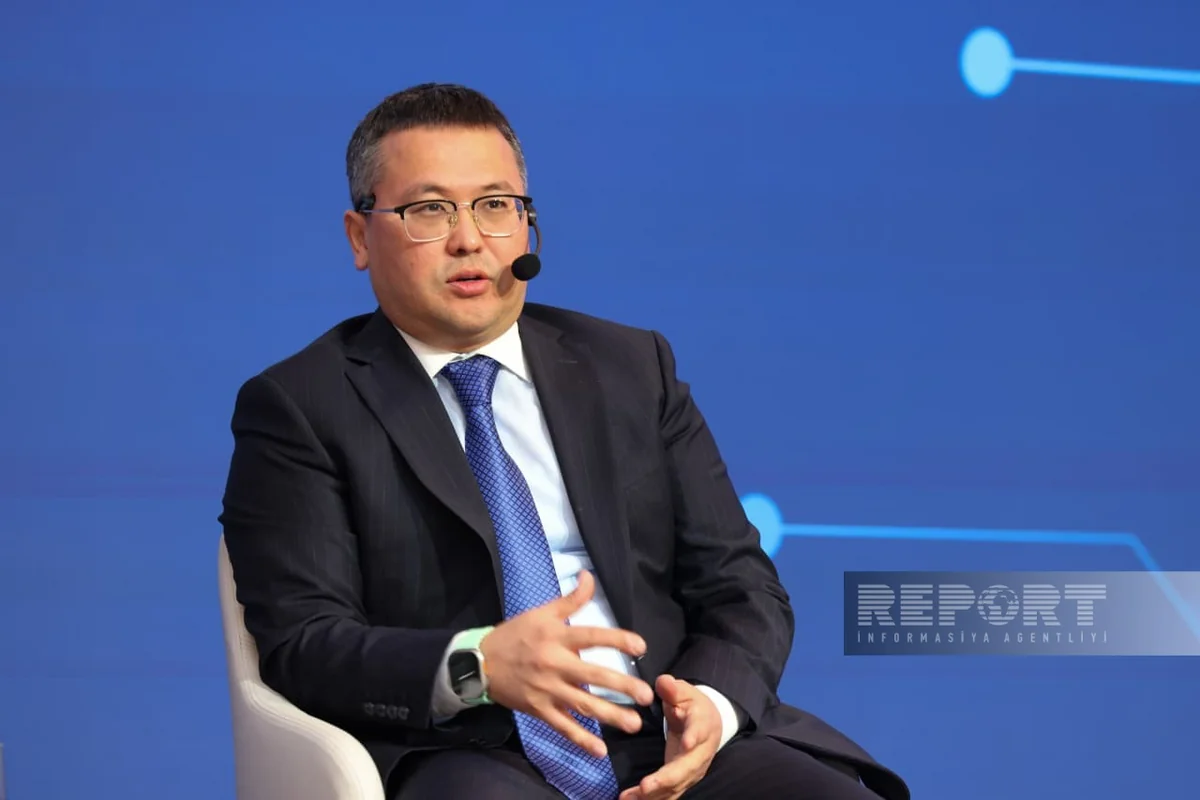
At the 4th Shusha Global Media Forum, Kazakhstan’s First Deputy Minister of Culture and Information, Kanat Iskakov, issued a compelling call for international cooperation to combat the rising tide of digital misinformation. Addressing delegates in Shusha, Iskakov emphasized that the modern media landscape is increasingly vulnerable to the manipulation of public opinion, necessitating the establishment of precise, collaborative mechanisms to safeguard the integrity of information.
Iskakov stressed that the complexity of globalized media networks makes it impossible for any single nation to effectively address the issue of disinformation in isolation. He advocated for the utilization of strategic platforms like the Shusha Global Media Forum to facilitate multilateral dialogue, asserting that unified, cross-border approaches are the only viable path forward for ensuring a reliable information environment.
Recognizing the historical persistence of falsehoods, the Deputy Minister acknowledged that disinformation is not a novel invention but an evolving threat that will likely remain a fixture of the future information age. He warned that as states and media organizations look toward the upcoming decade, the challenge will lie in anticipating these shifts rather than merely reacting to the consequences of orchestrated fake news campaigns.
To counter this, Iskakov called for a robust, multi-stakeholder alliance involving governmental bodies, media conglomerates, civil society organizations, and educational institutions. He argued that the responsibility for media literacy transcends simple reporting, requiring a holistic effort to empower citizens to critically evaluate the vast stream of information they consume on a daily basis.
A central element of this strategy involves the development of clear, standardized algorithms and technological protocols. By implementing these concrete mechanisms, Iskakov believes states can move beyond policy rhetoric and create practical frameworks that effectively identify and neutralize disinformation before it can influence public perception or destabilize public discourse.
Ultimately, the forum underscored a growing consensus that the preservation of truth requires institutionalized partnership. By fostering transparent and collaborative relationships between international media players and educational entities, the participants at the Shusha forum aimed to lay the groundwork for a more resilient media ecosystem capable of weathering the inevitable challenges of the digital era.


