







Global Media Leaders Convene in Shusha to Combat the Escalating Threat of Disinformation
SHUSHA – The 4th Shusha Global Media Forum has served as a critical platform for addressing the modern challenges of the digital age, with a primary focus on the destabilizing role of misinformation. During a high-level panel discussion titled “Peacebuilding and Public Discourse Through the Lens of Media,” experts and policymakers gathered to emphasize that countering the tide of false reporting requires an unprecedented degree of collaboration between governments, traditional media outlets, global tech corporations, and the public sector.
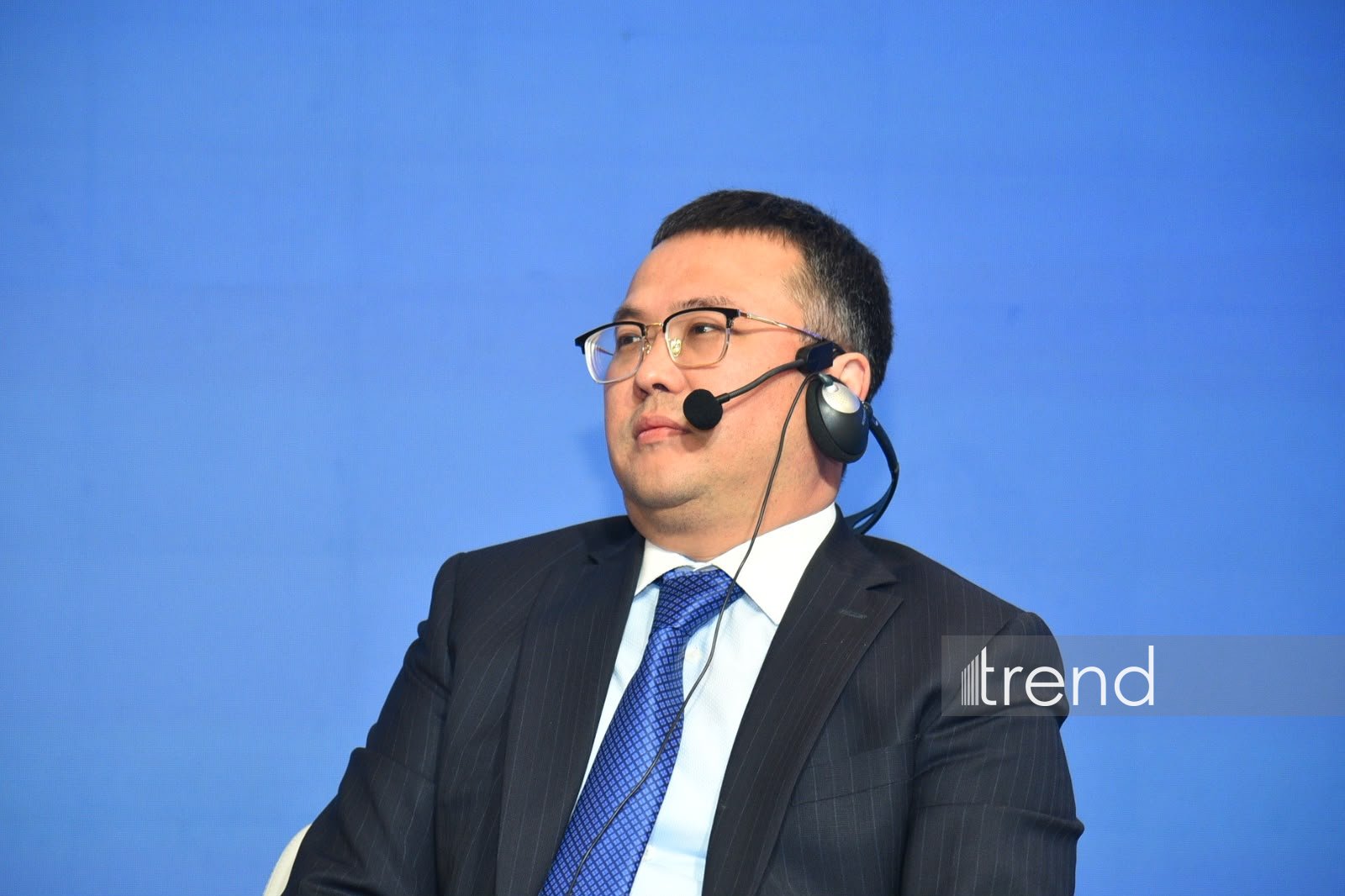
Kanat Iskakov, First Vice Minister of Culture and Information of Kazakhstan, opened the discourse by highlighting the paradoxical nature of modern communications. While technological advancements have democratized information, they have concurrently muddied the waters of truth, creating an environment where malicious actors exploit digital tools to manipulate perception. Iskakov warned that the unchecked spread of disinformation does more than just confuse the public; it actively erodes the foundations of international diplomacy and fosters inter-state conflicts.
Addressing the legislative and regulatory aspects of the crisis, Iskakov detailed the necessity of holding digital platforms accountable. He specifically addressed the rise of generative artificial intelligence, arguing that strict transparency is non-negotiable. Kazakhstan has emerged as a proponent of mandatory labeling for AI-generated content, an initiative designed to provide users with the critical context needed to distinguish between synthetic data and human-verified journalism. According to the Vice Minister, such legislative measures are essential to maintaining the integrity of the global information ecosystem.
Central to the discussion was the enduring importance of high-caliber journalism. Iskakov insisted that technological solutions alone are insufficient, emphasizing that professional standards—specifically accuracy, cross-verification, and the objective reporting of diverse perspectives—remain the primary bulwark against social instability. He argued that while the balance between freedom of speech and the protection of society from manipulation is delicate, society must lean into responsible reporting to effectively neutralize the inflammatory rhetoric that often precedes physical conflict.
The initiative, however, cannot succeed through top-down mandates alone; it requires an informed and resilient populace. Iskakov advocated for a comprehensive approach to media literacy, urging partnerships with educational institutions and civil society groups to equip citizens with the analytical tools to dissect false narratives. By fostering critical thinking skills, governments can empower the public to become active gatekeepers of information, thereby reducing the reach and impact of disinformation campaigns before they can take root.
In his concluding remarks, the Vice Minister underscored that no single nation can navigate the complexities of the modern information landscape in isolation. The Shusha Global Media Forum, he noted, serves as the ideal venue for states to exchange best practices, harmonize regional communication strategies, and establish global mechanisms for identifying and mitigating the negative externalities of the digital age. Through such collective action, he suggested, the media’s potential as a tool for peacebuilding can be fully realized.


