


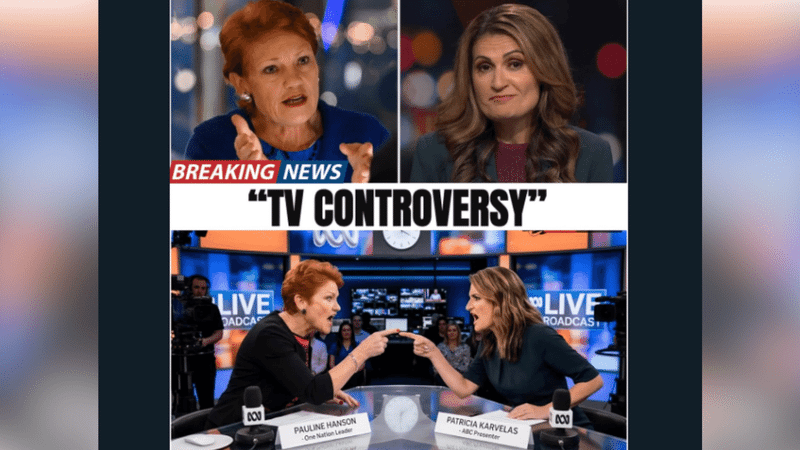
A wave of sophisticated social media disinformation has surfaced, targeting high-profile Australian politicians with entirely fabricated stories. A Facebook page operating under the name “The Viral Brief” has been identified as the source of a viral claim alleging that One Nation Senator Pauline Hanson intends to sue the ABC following an alleged “on-air ambush” by host Patricia Karvelas. The post, which includes a doctored image of the two women, features explosive, albeit fake, quotes claiming Senator Hanson threatened legal action, stating, “YOU DEFAMED ME ON LIVE TELEVISION — NOW YOU WILL PAY!”
An investigation into the claim by AAP FactCheck has confirmed it is categorically false. There is no evidence that Senator Hanson has announced any intention to sue the national broadcaster, nor is there any record of the aggressive confrontation described in the post. Furthermore, the accompanying image displays clear indicators of artificial intelligence manipulation, and the studio setting depicted does not align with any ABC program. The claim specifically cites the program Q+A, which notably concluded its broadcast run in 2025, rendering the premise of the post impossible.
The reach of this disinformation is amplified by an external website linked within the Facebook post, which further inflates the fabrication by suggesting Senator Hanson’s legal team is pursuing $50 million in damages. Despite the sensational nature of these assertions, they remain a product of bad-faith content creation. Facebook’s own transparency tools reveal that “The Viral Brief” is managed by users based in Vietnam, a common tactic used by foreign entities to sow political discord and confusion within the Australian social media landscape.
Senator Hanson has become a recurring target for these foreign-run pages, which frequently utilize a combination of doctored imagery and invented dialogue to entrap conservative politicians in manufactured scandals. This strategy relies on the rapid, unverified sharing of content to deceive readers before corrections can gain traction. The persistence of these campaigns highlights a broader, ongoing challenge regarding the integrity of political discourse on digital platforms where anonymous or offshore accounts can easily circulate dangerous misinformation.
The same Facebook page has recently targeted other prominent figures, including Liberal MP Andrew Hastie. In a similarly deceptive post, the page falsely attributed extreme quotes to Mr. Hastie regarding Prime Minister Anthony Albanese and the citizenship status of individuals described as “terrorist elements.” The post claimed that Mr. Hastie possessed evidence that could result in a 30-year prison sentence for the Prime Minister, utilizing inflammatory language to provoke emotional engagement. Like the claims involving Senator Hanson, there is absolutely no record of Mr. Hastie ever making these statements.
Interestingly, this campaign exhibits a confusing internal logic; the website linked by the Facebook posts occasionally contains content that ironically attempts to debunk the very misinformation the page itself distributes. This bizarre cycle of fabrication and self-refutation underscores the unreliable nature of the source material. As platforms grapple with the rise of AI-generated misinformation, fact-checking organizations continue to warn the public to remain vigilant, consult credible news sources, and question the authenticity of sensationalist content circulating on social media.