


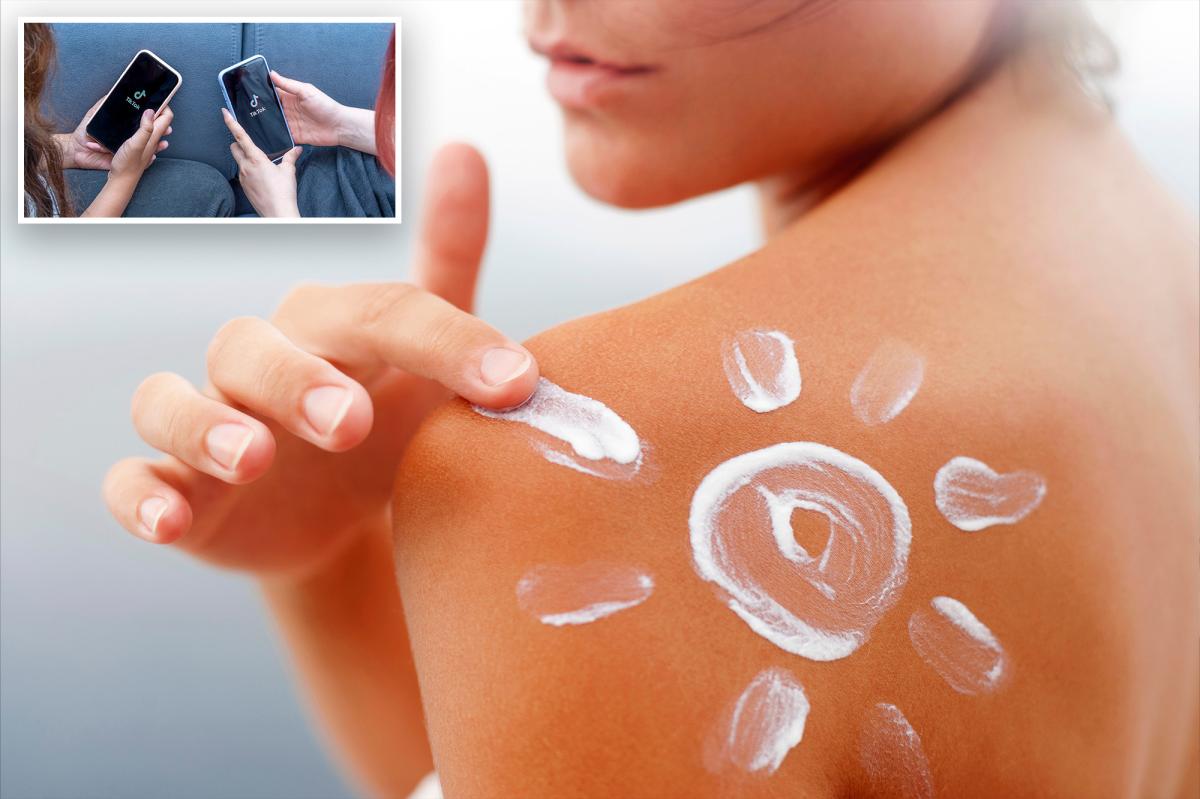
A concerning trend has emerged on TikTok, where a rising tide of pseudoscience is casting doubt on the efficacy and safety of sunscreen. According to a recent study published in PLOS Digital Health, which analyzed the top 971 most-viewed sunscreen-related videos from September 2024, the platform has become a breeding ground for viral misinformation. While the overwhelming majority of content—roughly 86%—still encourages the use of sun protection for health reasons, the smaller subset of contrarian videos is generating a disproportionate amount of engagement, outperforming verified health advice in terms of likes, comments, and shares.
The misinformation campaigns circulating on the app often target the chemical composition of popular sunscreens. Influencers frequently label common ingredients, such as oxybenzone, as “toxic” or “unsafe,” claiming that these substances function as hormone-disrupting agents, contaminate breast milk, or release microplastics into the environment. These sensationalist assertions have gained significant traction, successfully fueling public anxiety and leading some users to question the necessity of sun protection entirely. These videos often advocate for “natural” alternatives, ignoring the scientific consensus that these products exist to prevent skin cancer and premature aging.
Medical experts are fighting back, emphasizing that there is zero scientific evidence to support the claim that widely used chemical sunscreens are hazardous to human health. Researchers involved in the study noted that while consumers may have personal preferences between mineral-based blockers and UV-absorbing chemical formulas, both categories are rigorously vetted and considered safe. Crucially, the experts highlighted that foregoing sunscreen entirely, regardless of the formula, is never a safe alternative during periods of sun exposure.
This digital misinformation surge comes at a precarious time, as public literacy regarding sun safety remains alarmingly low. Data from the American Academy of Dermatology (AAD) reveals that nearly 50% of Americans struggle to pass a basic sun safety quiz, with many failing to understand the fundamentals of skin protection. The problem is particularly acute among younger generations, with 33% of Gen Z participants scoring a “D” or “F” on the test. This knowledge gap makes the population uniquely vulnerable to the persuasive, yet inaccurate, claims made by popular social media personalities.
Dermatologists are now pointing toward social media as the primary culprit for this decline in public health standards. Dr. Marisa Garshick of MDCS Dermatology suggests that the impact of these platforms is twofold: creators are not only spouting direct conspiracy theories about “chemical toxicity,” but they are also indirectly discouraging safety by romanticizing dangerous behaviors, such as sunbathing for hours to achieve a tan. By shifting the cultural focus from skin longevity to aesthetic trends, influencers are effectively undoing decades of public health education.
Ultimately, the study underscores a growing disconnect between digital popularity and scientific truth. While the vast majority of social media content still favors sunscreen use, the appetite for inflammatory, “anti-mainstream” content ensures that dangerous myths continue to spread. As the influence of TikTok creators continues to rival traditional expert advice, the medical community faces an uphill battle in reclaiming the narrative. For now, experts urge the public to prioritize clinical data over viral trends, reminding users that the risks of sun damage are scientifically proven, while the claims of “toxic” sunscreen remain purely speculative.