


The Digital Paradox: Navigating Connection and Isolation in the Age of Social Media
By Kimberley Khasiala
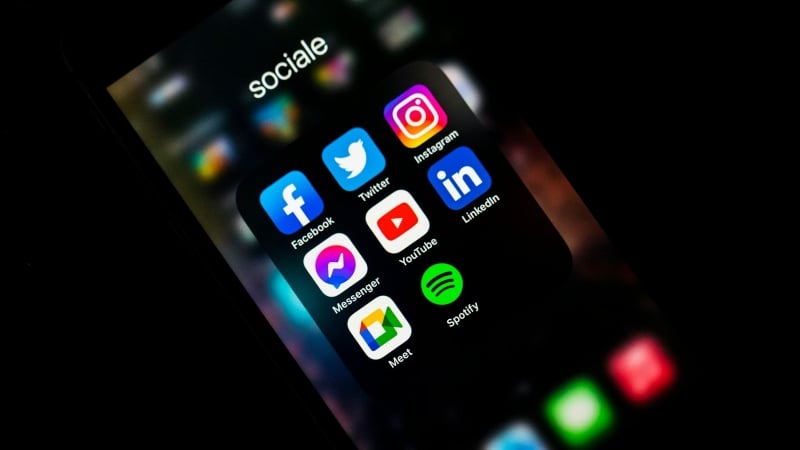
In an era of unprecedented global connectivity, a striking paradox has emerged: we are more linked than ever, yet increasingly plagued by loneliness and emotional detachment. A simple observation of a family at a restaurant—physically together but collectively absorbed in individual screens—serves as a microcosm for modern social behavior. While social media platforms like Instagram, TikTok, and WhatsApp have woven themselves into the fabric of daily life, they have fundamentally shifted the nature of our interactions, prioritizing digital engagement over the tangible, present-moment connection that once defined human relationships.
Social media offers undeniable benefits that have reshaped our society. It serves as a vital bridge for families separated by geography, allowing for real-time connection across continents, and acts as a democratic force for information exchange. From educational resources becoming globally accessible to the rapid mobilization of social movements focused on human rights and climate justice, the digital landscape has empowered individuals to bypass traditional gatekeepers. Furthermore, for entrepreneurs and creatives, these platforms function as essential engines for economic opportunity, providing a stage for small businesses and independent artists to reach global audiences.
However, these technological advancements have cultivated significant psychological and social costs. Beyond the immediate disruption of face-to-face intimacy—where notifications constantly interrupt dialogue—there is a pervasive culture of curated perfection. As users anchor their self-worth in likes, comments, and followers, they frequently fall into the trap of constant social comparison. Exposure to filtered, idealized lifestyles leads to widespread insecurity and dissatisfaction, as users judge the complexity of their real lives against the highlight reels of others. This environment, if left unchecked, has been consistently linked by researchers to rising rates of anxiety, depression, and low self-esteem, particularly among younger generations.
The digital environment also facilitates darker, more pervasive societal issues, most notably cyberbullying and the rapid spread of misinformation. Unlike traditional social conflicts, online harassment is relentless and public, leaving victims with little escape from cycles of humiliation or threat. Simultaneously, the algorithmic drive for high-engagement content often prioritizes sensationalism over accuracy, creating fragmented realities where misinformation thrives. These challenges are compounded by persistent privacy concerns, as users sacrifice personal data to platforms that prioritize commercial monitoring and engagement statistics over the emotional well-being of their community.
To mitigate these risks without abandoning the utility of the digital age, a shift in responsibility is required. Digital literacy must become a cornerstone of education, equipping individuals to critically evaluate online content, protect their privacy, and engage with empathy. Parents and educators share a vital role in fostering healthy boundaries with technology. Simultaneously, tech companies must be held accountable for implementing robust anti-bullying policies and increasing transparency regarding data collection. Prioritizing human safety and mental health over engagement metrics is a necessary evolution if these corporations are to serve the public good effectively.
Ultimately, the future of human interaction depends on our ability to distinguish between digital stimulation and genuine connection. Technology is a tool, not a substitute for the empathy, patience, and presence required to sustain meaningful relationships. The challenge of our time is to harness the power of social media to unite and inspire while reclaiming our ability to be present in the physical world. As we look at the silent faces around our dinner tables, we must choose to look up from our screens, ensuring that our progress in communication does not come at the expense of our capacity to truly relate to one another.