


The latest report by the Digital Poland Foundation, “Disinformation Through the Eyes of Poles: 2026 Edition,” paints a concerning picture of the information landscape in Poland. Conducted with support from NASK, the study reveals that 91% of Poles believe at least one of 30 common fake news narratives. Misinformation is particularly pervasive in sectors like energy, health, politics, and climate change, where acceptance rates for false claims range from 31% to 39%. These figures suggest that disinformation has reached a mass scale, showing little improvement over the findings from previous studies in 2021 and 2024.
The report identifies a strong correlation between political volatility and the spread of conspiracy theories. Narratives regarding the 2010 Smolensk air disaster and anti-Ukrainian sentiment have gained significant traction, reflecting a potential radicalization of sectors of the electorate and growing social unease. Furthermore, climate change denial is on the rise, with 41% of respondents asserting that global warming is purely a natural phenomenon. Experts argue that politicians are partially responsible, as some have actively leveraged “climate paranoia” and migration debates to fuel public fears and secure political agendas.
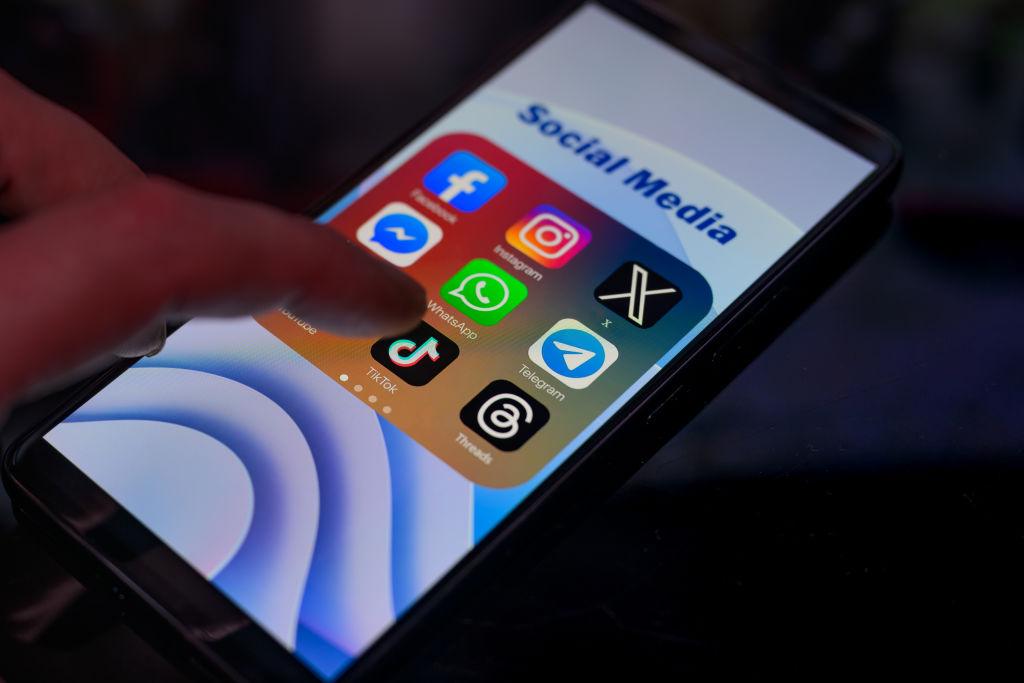
Perhaps most alarming is the crisis of institutional trust evidenced by how Poles react to emergencies. In a hypothetical crisis, only 17% of respondents would instinctively turn to official government or police websites for information. In direct contrast, 16% would immediately check platforms like TikTok or Facebook. Television remains the most popular source for news at 60%, but the shift toward social media—which often prioritizes speed and emotional engagement over accuracy—leaves a significant portion of the population vulnerable to the rapid spread of panic during critical events.
The study highlights a growing appetite for “alternative” information sources, with 44% of Poles frequently utilizing platforms outside the professional, mainstream media ecosystem. These sources range from controversial figures pushing extreme health theories to newly established digital projects like Kanał Zero and established intellectual platforms like Krytyka Polityczna. While the report’s authors clarify that the term “alternative” is not inherently derogatory, the inclusion of these entities reflects a broader trend where citizens seek news that aligns with their personal or ideological preferences rather than traditional, state-sanctioned outlets.
Technological shifts, specifically in artificial intelligence, are compounding these difficulties. Nearly half of the respondents (45%) report having encountered deepfakes, a phenomenon that has grown significantly since 2024. As experts from NASK aptly note, “the era in which we could trust our eyes and ears is coming to an end.” The ease with which AI can now generate convincing audio, images, and videos is transforming the disinformation landscape, making it increasingly difficult for the average citizen to distinguish between authentic reporting and sophisticated digital forgery.
Finally, the report exposes a complex public attitude toward regulation and censorship. While a majority (64%) want digital platforms to take a more active role in curbing disinformation, 45% fear that current moderation measures are already overreaching into censorship. This tension, combined with the fact that one in five Poles agrees with nearly half of all tested false theories, highlights a society caught between a desire for security and a commitment to absolute freedom of speech. Addressing these challenges will require more than just technical fixes; it will necessitate a fundamental rebuilding of trust between state institutions and the public.