


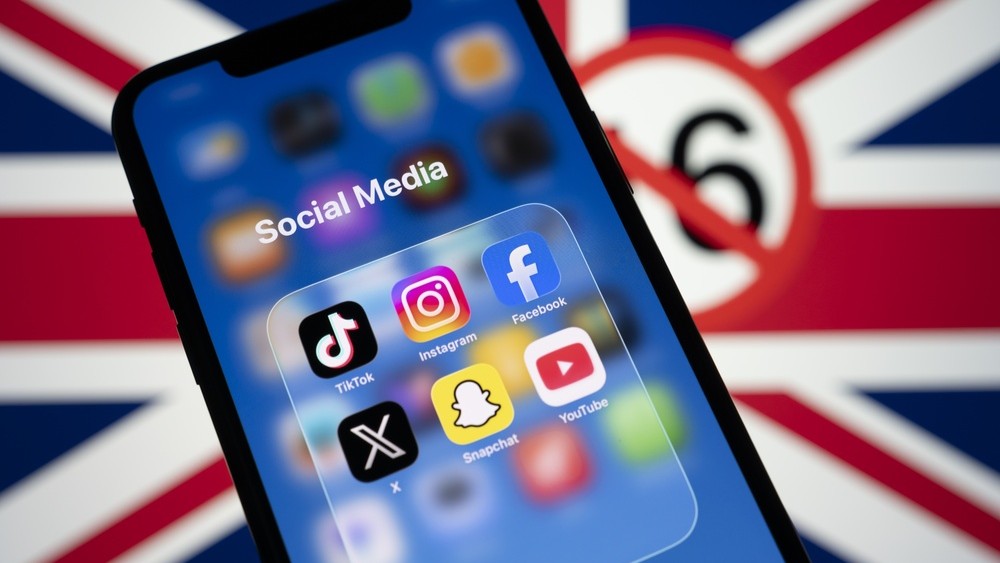
The United Kingdom has officially joined Australia in a landmark legislative shift, announcing a comprehensive ban on children under 16 accessing major social media platforms. Prime Minister Keir Starmer framed the decision as a “big moment” for the nation, positioning it as a necessary intervention to protect the next generation from the complexities and risks of the digital landscape. By directly mirroring the Australian model—the first of its kind to be implemented globally—the UK government intends to dismantle the current status quo, with Starmer asserting that tech giants had their chance to self-regulate and ultimately failed.
The British policy is notably more aggressive than its Australian counterpart, extending beyond standard social media apps to include stringent restrictions on gaming sites. This broader scope involves banning under-18s from accessing livestreaming features and imposing strict rules to prevent strangers from initiating contact with minors. Prime Minister Starmer emphasized that the UK is “going further than any country in the world,” aiming to provide parents with the support they have requested after years of witnessing the negative impacts that unfiltered online access has had on their children’s well-being.
To ensure the success of this initiative, the UK government is turning to the lessons learned from Australia’s trial period. The British communications regulator, Ofcom, has been tasked with developing “highly effective age assurance” measures, moving beyond simple self-verification to ensure that, in the words of Starmer, the government can “set a new normal for future generations.” Australian Prime Minister Anthony Albanese welcomed the move, noting that because social media giants operate across international borders, a unified global approach is the only way to effectively hold these corporations accountable.
Public sentiment appears to be firmly behind the government, with official consultations revealing that nine out of ten parents support the legislative action. Interestingly, even two-thirds of young people surveyed agreed that restrictions are necessary for certain platforms. This broad consensus reinforces Starmer’s position that the government is siding with families against the immense influence of global tech companies. The shift has also garnered attention from industry leaders, with Apple CEO Tim Cook noting that the company’s recent suite of parental control features was partially inspired by the effectiveness of Australia’s legislative framework.
The data from Australia provides a clear picture of the scale of the crisis; following the introduction of the ban, social media giants removed or restricted nearly 5 million accounts suspected of belonging to minors. In the first month alone, Meta deactivated over half a million accounts across Instagram, Facebook, and Threads. However, the implementation has not been without friction. Australia’s eSafety Commissioner recently released a compliance report indicating that while major platforms have taken initial steps to comply, there remain significant, ongoing concerns regarding the rigor of their enforcement efforts.
Ultimately, the UK’s decision marks a critical escalation in the global effort to regulate the digital lives of minors. With penalties for non-compliance reaching as high as $49.5 million, the UK is signaling that tech companies must treat safety as a priority rather than an afterthought. As both the UK and Australia continue to refine their regulatory strategies, the focus moves to whether other nations will adopt similar mandates, potentially creating a global shift that effectively forces tech platforms to fundamentally redesign their services to accommodate age-gated, protected user environments.