


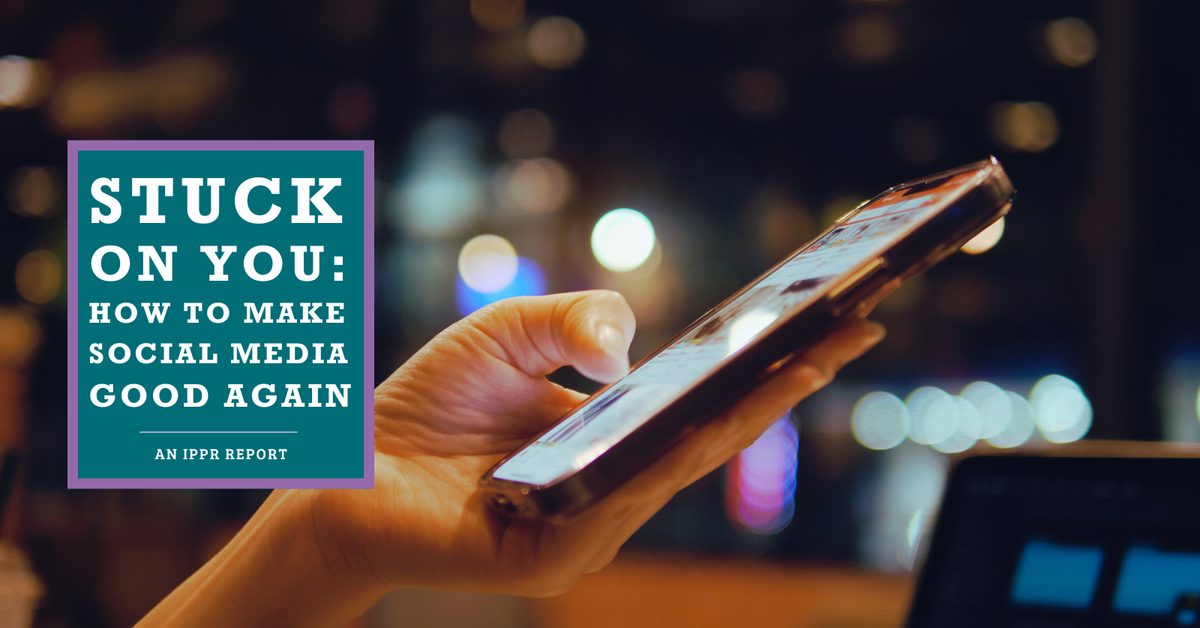
Over the past two decades, social media has undergone a profound transformation, evolving from a tool for genuine human connection into a complex, algorithm-driven ecosystem that paradoxically fosters isolation. While headlines frequently focus on the catastrophic risks posed by platforms—such as the proliferation of disinformation, political polarization, and the mental health crises linked to excessive consumption—these harms only tell part of the story. For the average user in the UK, social media’s influence is more subtle, woven into the fabric of daily life through video sharing, community support, and personal updates. However, it is precisely this “lighter” usage that has quietly reshaped our social and political landscape, eroding the shared experiences that once allowed for a cohesive public culture.
The primary issue lies in the changing nature of digital gatekeeping. Twenty years ago, the internet felt like a vast, accessible frontier; today, it is tightly curated by opaque algorithms designed to maximize “stickiness”—the amount of time a user spends on a platform. These algorithms prioritize content that triggers engagement, often favoring extreme or commercial viewpoints while filtering out diverse, non-commercial voices. As a result, our digital social circles have narrowed. We are increasingly isolated from those who do not share our algorithmic “profile,” making it difficult to bridge cultural divides or collectively negotiate the norms of our society. When we cannot see or interact with different perspectives, we lose the capacity to engage in the healthy friction required for a functioning democracy.
This drift toward isolation is not a natural byproduct of technology, but a deliberate design choice driven by commercial imperatives. Big tech companies profit from keeping users in self-reinforcing loops, a business model that treats human attention as a commodity rather than a medium for social cohesion. Because these platforms are structurally incentivized to prioritize engagement over meaningful connection, internal reform will always be limited by their bottom line. To reverse this trend, society must recognize that while commercial platforms can and should be regulated, they will likely never provide the public spaces necessary for a truly healthy, diverse, and connected digital society.
Meaningful change requires a multi-pronged legislative and systemic approach, starting with the regulation of design itself. While the UK’s Online Safety Act has taken steps toward addressing severe harms, it fails to challenge the manipulative “dark patterns” that manipulate user behavior for profit. By looking to frameworks like the EU’s Digital Services Act, the UK could empower regulators like Ofcom to curb the deceptive algorithms that prioritize commercial relationships over social ones. Furthermore, the government should mandate “prominence requirements” for social media, forcing platforms to feature public service content and the voices of grassroots organizations that are currently drowned out by the algorithmic noise.
Beyond regulation, we must foster a new digital environment by leveraging institutions that serve the public interest. The BBC, for instance, could draw from its history by reviving initiatives like “Open Door,” a project that once allowed disparate interest groups to have unfiltered access to public airwaves. Expanding this concept to the digital age would allow marginalized or community-driven voices to gain prominence on social media, prioritizing social value over algorithmic trends. Such a revival would be a symbolic and practical step toward restoring the BBC’s original mission of connecting the citizenry, rather than just broadcasting to them.
Ultimately, the most ambitious and necessary solution is the creation of a non-commercial, public service social media platform. By enabling the BBC and other European public broadcasters to collaborate, the government could bypass the constraints of current competition laws—which are currently ill-equipped to challenge the monopolies of big tech—to build a space optimized for social benefit. This platform would not be a sterile informational site, but a hub integrating entertainment, news, and community tools, proving that we can utilize digital technology to unite rather than atomize. By reclaiming the digital public square, we can move away from the isolated, algorithmically steered existence of the last decade and toward a more visible, shared, and democratic future.