


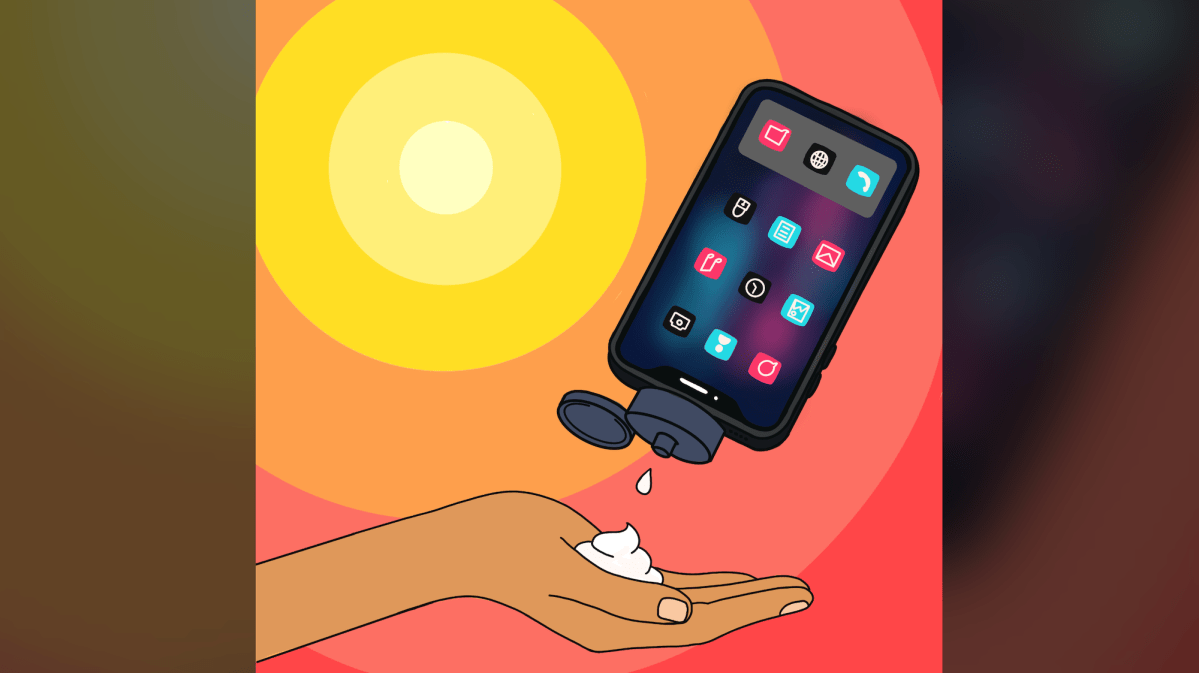
A recent study from the University of Alberta, published in the journal PLOS Digital Health, has unveiled a troubling trend regarding health misinformation on TikTok. While the majority of sunscreen-related content on the platform promotes its use, researchers discovered that videos falsely claiming sunscreen is toxic or unnecessary—the “sunscreen-skeptical” minority—actually generate significantly higher engagement. By analyzing 971 videos with a combined 8.7 billion views, the team found that conspiratorial content was systematically rewarded by the platform’s algorithm, garnering more likes, shares, and comments than evidence-based posts.
This digital phenomenon is particularly dangerous because younger generations, who are disproportionately relying on TikTok for health advice, are simultaneously seeing a surge in sun-damage-related skin cancers. The study highlights a tragic irony: the very platforms used for health discovery are prioritizing dramatic, scientifically inaccurate claims over medical expertise. Experts note that many sunscreen-related videos on the platform frame the product purely as a cosmetic tool rather than a life-saving medical necessity, further distancing young users from the primary goal of skin cancer prevention.
The misinformation ecosystem thrives on various types of dubious claims, ranging from concerns over endocrine-disrupting chemicals to “sun nutritionalist” theories. While some historical concerns about specific ingredients like oxybenzone led to actual industry shifts—reducing the chemical’s presence in US products significantly between 2019 and 2023—fringe influencers have taken these nuanced risks to extreme conclusions. Some creators now go as far as to advocate for direct sun exposure as a health tonic, ignoring the well-documented reality that excessive UV radiation is a direct driver of preventable melanoma and advanced-stage skin cancers.
This digital skepticism is having measurable impacts on public behavior, with recent surveys indicating a significant shift in attitudes. A 2024 study from the Orlando Health Cancer Institute revealed that one in seven adults under 35 believes daily sunscreen is more harmful than unprotected sun exposure. Similarly, the American Academy of Dermatology reported that over a third of Gen Z individuals only apply sunscreen when pressured by peers or family. These trends occur as medical professionals, such as surgical oncologist Dr. Rajesh Nair, warn of a growing, alarming rise in advanced-stage skin cancers among younger adults.
Public health advocates argue that the fear-based nature of viral social media content is fundamentally incompatible with the slow, nuanced reality of medical science. While established science promotes the use of mineral sunscreens or newer, FDA-approved filters like bemotrizinol as safe and effective alternatives for those concerned about chemical absorption, such practical solutions rarely gain the same traction as sensationalist misinformation. The viral nature of fear makes it difficult for dermatologists and reputable organizations to reach audiences currently being captivated by alarmist, unverified health claims.
Ultimately, the study underscores the urgent need for better media literacy and more effective communication strategies from the scientific community on social platforms. With the American Cancer Society estimating over 8,000 deaths from melanoma in 2025 alone—a toll largely mitigable through prevention and early detection—addressing the spread of false information is now a critical component of public health. As long as algorithms favor engagement over accuracy, the battle to convince the next generation of the importance of sun safety will remain a profound and uphill challenge.