









Election Commission Intensifies Strategy Against Misinformation in One-Day Media Conference
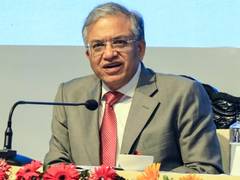
The Election Commission of India (ECI) convened its second one-day national conference for media and communication officers in New Delhi on Friday, marking a strategic shift toward bolstering institutional integrity in the digital age. Chief Election Commissioner (CEC) Gyanesh Kumar utilized the platform to issue a stern directive to officials: exercise heightened vigilance against the rising tide of “false narratives” proliferating across social media platforms. Emphasizing the sanctity of the electoral process, he underscored that every action taken by the Commission is strictly grounded in the Constitution, verified electoral laws, and transparent administrative instructions.
The CEC further reinforced the Commission’s credibility by pointing to recent electoral data, specifically highlighting the record-breaking voter turnouts observed in recent Assembly Elections. According to Kumar, these historic figures serve as a definitive testament to the enduring trust Indian citizens place in the nation’s electoral framework. By citing these trends, the Commission aimed to contrast the public’s active democratic participation with the corrosive effects of online skepticism, urging media officers to serve as the primary custodians of the truth in the public sphere.
Providing further context on the modern challenges facing democratic institutions, Election Commissioner Vivek Joshi addressed the cohort of over 260 Media and Communication Officers, focusing on the technological threats of the current era. Joshi warned that the rapid evolution of Artificial Intelligence and deepfake technology has empowered motivated actors to disseminate synthetic and highly misleading content. Such maneuvers, he noted, are deliberately designed to erode the public’s confidence in foundational democratic institutions, necessitating a robust, proactive, and rule-based response from the Commission’s communication wings.
Central to the conference’s agenda was the integration of rigorous communication strategies across the entire election cycle, spanning from the preparation of electoral rolls to the final casting of ballots. Participants were briefed on essential constitutional provisions and media-related laws to ensure that all public communications remain accurate and legally compliant. Beyond compliance, the sessions included practical training on drafting effective press notes, mastering the amplification of official information across social media, and utilizing technology to counter real-time narratives that threaten to undermine the fairness of electoral proceedings.
The assembly brought together a diverse group of key stakeholders, including Media Nodal Officers (MNOs), Social Media Nodal Officers (SMNOs), and District Public Relations Officers (DPROs) from 16 States and Union Territories. By fostering collaboration between these national-level officials and senior personnel from State Departments of Public Relations, the ECI aimed to create a unified communication network capable of responding to disruptions instantly. The inclusion of these district-level officers is seen as a critical step in ensuring that the Commission’s message remains consistent and accessible to remote corners of the country.
The conference concluded with a focus on institutional learning, as officials from states that recently concluded their polls shared their on-the-ground experiences and best practices. A significant emphasis was placed on revitalizing voter engagement, particularly through the use of Electoral Literacy Clubs (ELCs) to reach the youth demographic. By combining traditional grassroots engagement with sophisticated digital media strategies, the Election Commission of India is positioning itself to stay ahead of misinformation, ensuring that the integrity of the voting process remains clear, transparent, and resilient against modern-day digital subversion.


