









DoH-7: Misinformation Slows CV Measles-Rubella Vax Drive
By [Staff Writer], Daily Tribune
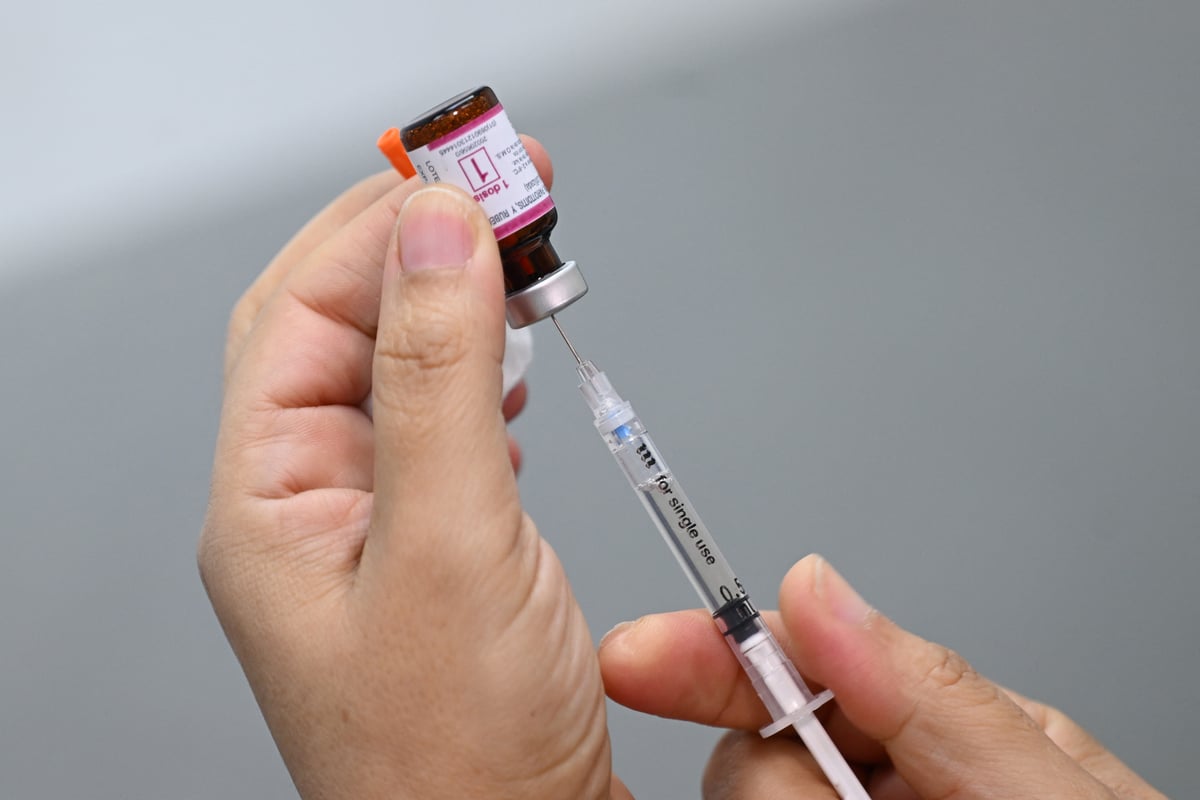
Central Visayas is facing a critical public health crossroads as the Department of Health (DoH-7) sounds the alarm over a dangerously sluggish vaccination drive for measles and rubella, a trend they attribute almost entirely to the relentless spread of misinformation. In a press briefing held in Cebu City, DoH-7 Regional Director Dr. Jaime Bernadas expressed deep concern, stating that the current uptake rates for the measles-rubella (MR) vaccine are falling dangerously short of the targets needed to maintain herd immunity in the region. The campaign, which initially set out to inoculate millions of children across the six provinces of the region—including Cebu, Bohol, Negros Oriental, and Siquijor—has encountered an unexpected and formidable adversary: not a biological pathogen, but a viral wave of misinformation that has permeated communities through social media and local gossip.
Dr. Bernadas stressed that the indifference and outright refusal of parents to vaccinate their children is not born out of negligence but is a direct consequence of false narratives that have been circulating with alarming persistence. He reiterated that measles remains a leading cause of death among young children globally, with severe complications including pneumonia and encephalitis, while rubella poses a particular threat to pregnant women, potentially causing congenital rubella syndrome that leads to lifelong disabilities in newborns. The regional office has documented a steady decline in vaccination turnout over the past few weeks, a stark contrast to the enthusiastic participation seen in previous years. This slowdown is particularly worrying because it jeopardizes the effort to eliminate these preventable diseases, which had previously been brought under relative control.
The root of this hesitancy is deeply embedded in a culture of fear that predates this specific campaign. Health officials trace the current wave of apprehension back to the controversial Dengvaxia vaccine fiasco, which left a lasting scar of distrust in the minds of Filipino parents. The Dengvaxia controversy, which involved allegations of adverse reactions in children who were previously uninfected with dengue, has had a chilling effect on all immunization programs nationwide. Since then, a smattering of baseless claims have re-emerged with a vengeance, asserting that vaccines, particularly the MR vaccine, cause autism, infertility, and even contain microchips for surveillance. Community health workers have reported hearing horrifying, unverified stories from barangay-level chat groups, which often feature fabricated videos and doctored photographs, painting the vaccine as a lethal tool rather than a life-saving measure.
The impact of this misinformation is now evident in the stark numerical reality. As of the latest reporting cutoff, the DoH-7 region has only achieved a little over half of its target coverage for the year. The region had aimed to vaccinate at least 95 percent of all children aged 9 months to 14 years to ensure robust herd immunity. Some provinces, particularly the island communities of Bantayan and Camotes, have reported disturbingly low turnout rates, with some far-flung barangays barely reaching 30 percent coverage. In urban centers like Cebu City and Mandaue, health centers are seeing a significant decline in the daily average of children brought in for vaccination. This alarming drop means that a significant percentage of the population remains susceptible to the virus, creating a fertile breeding ground for a potential outbreak. Without the required threshold, measles can rapidly spread through schools, churches, and crowded neighborhoods, turning a manageable disease into a crippling public health emergency.
In response to this escalating crisis, the DoH-7 is now deploying a multi-pronged counter-offensive to dismantle the web of falsehoods. They have partnered with local government units, the Department of Education, and barangay health workers to intensify a “back-to-basics” information campaign that goes beyond press releases. Officials are holding town hall meetings with community leaders, priests, and school principals to enlist them as influencers for truth. The department has also mandated the creation of social media monitoring teams that actively respond to false claims in real-time, using verified scientific data to debunk myths. Furthermore, they are emphasizing the legal mandate of the government to protect public health, which includes the authority to enforce vaccination requirements for school enrollment. However, Dr. Bernadas acknowledged that coercion is not the preferred strategy; rather, they aim to win the hearts and minds of parents through empathetic education.
The human dimension of this struggle is perhaps the most poignant. Health workers on the ground describe emotionally exhausting experiences, where they are often subjected to verbal abuse and suspicion at doorsteps. One midwife in the mountainous areas of Cebu shared her frustration, recalling how a mother slammed the door on her after hearing a false claim that the vaccine would cause sterility in her son. Yet, the effort continues, driven by a sense of duty to save lives. Logistically, the process is further challenged by the cold chain requirements of the vaccine, which must be stored at precise temperatures. Reaching remote areas requires boats and hours of travel, and if a scheduled visitation yields a meager turnout, the effort and the vaccines are often wasted. This constant friction between the persistent efforts of health professionals and the brick wall of community refusal is a battle that determines the health trajectory of the region.
As the campaign enters its final stretch, the DoH-7 is making an impassioned plea to the public, reminding them of the historical toll of measles and rubella. They urge parents to consult legitimate medical practitioners rather than unverified sources on the internet. The consequences of failure are dire: a resurgence of measles could overwhelm hospitals, lead to a spike in child mortality, and permanently disable newborns due to rubella. The department holds firm in its belief that vaccination remains the most cost-effective public health intervention. They call upon every citizen to act as a guardian of community health, to share only verified information, and to protect their families by accepting the free, safe, and life-saving vaccines being offered. The race against time is on, and the ultimate victory depends on whether the voice of science and concern can finally drown out the destructive chorus of misinformation. The health of thousands of children in Central Visayas hangs in the balance, awaiting the collective responsibility of every Filipino to step forward and protect the most vulnerable among us.


