


Close Menu
DISADISA
  • Home
  • News
  • Social Media
  • Disinformation
  • Fake Information
  • Social Media Impact
Trending Now

Identifying the Most Common Scams Originating on Social Media

August 25, 2026

Government Introduces Updated Communication Policy to Combat Misinformation and Enhance Public Trust.

August 25, 2026

Experts to Address Social Media’s Impact on Adolescent Brain Development Amid Continuing Meta Litigation.

August 25, 2026
Facebook X (Twitter) Instagram
Facebook X (Twitter) Instagram YouTube
DISADISA
Newsletter
  • Home
  • News
  • Social Media
  • Disinformation
  • Fake Information
  • Social Media Impact
DISADISA
Home»News»Government Fact-Check Team Debunks Pakistani Disinformation Campaign.
News

Government Fact-Check Team Debunks Pakistani Disinformation Campaign.

Press RoomBy Press RoomMay 9, 2025No Comments
Facebook Twitter Pinterest LinkedIn Tumblr Email

Government’s Fact-Check Team Battles Deluge of Pakistani Misinformation

In the wake of escalating tensions and cross-border conflicts, a dedicated Indian government fact-checking unit has been working tirelessly to debunk a rising tide of misinformation emanating from Pakistan. This misinformation campaign, disseminated through various social media platforms and online news outlets, aims to sow discord, incite unrest, and undermine India’s image on the global stage. The government’s fact-check team, comprising experts in media analysis, digital forensics, and international relations, has identified several recurring themes in the Pakistani disinformation efforts.

One prominent example of Pakistani misinformation involves the alleged closure of ATMs in Indian-administered Kashmir. False reports circulated online, claiming that ATMs were shut down due to a cash crunch caused by the Indian government’s policies. The fact-check team swiftly debunked these claims, providing evidence that ATMs were operational and accessible to the public. They highlighted the malicious intent behind such misinformation, which sought to create panic and fuel economic instability in the region.

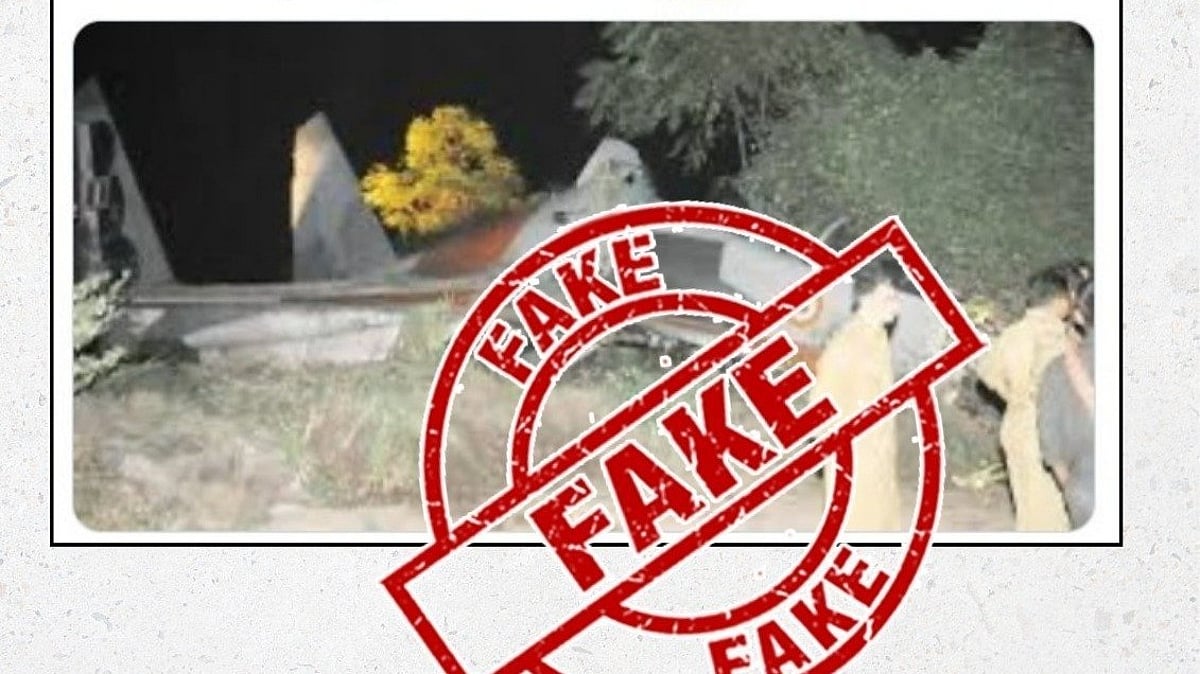
Another persistent misinformation narrative revolves around the downing of a Sukhoi Su-30MKI fighter jet by Pakistan. Pakistani media outlets and social media accounts propagated fabricated stories, asserting that the Indian aircraft was shot down during an aerial engagement. However, the Indian government’s fact-check team meticulously analyzed available data, including radar tracks and eyewitness accounts, to conclusively prove that the Sukhoi incident was a result of a technical malfunction and not enemy action. The team presented irrefutable evidence that the aircraft crashed due to a bird strike, emphasizing Pakistan’s deliberate attempt to distort facts and project a false image of military superiority.

The Pakistani misinformation campaign extends beyond these isolated incidents, encompassing a broader spectrum of fabricated narratives. False claims regarding human rights violations, discriminatory policies, and alleged oppression of minorities in India are routinely disseminated by Pakistani sources. The government’s fact-check team has been diligently exposing these false narratives, providing concrete evidence and counter-narratives to challenge the manufactured portrayal of events. They have highlighted Pakistan’s persistent attempts to deflect attention from its own internal issues and human rights record by spreading disinformation about India.

The government’s efforts to combat Pakistani misinformation involve not only debunking false claims but also proactively disseminating accurate information. The team has actively engaged with social media platforms and online communities, providing verified information and counter-narratives to challenge the spread of disinformation. They have also collaborated with international media organizations and fact-checking networks to ensure a wider reach of accurate information and debunk Pakistani propaganda effectively.

The ongoing battle against misinformation requires constant vigilance and proactive measures. The Indian government’s commitment to countering Pakistani disinformation underscores its dedication to upholding truth and transparency in the face of malicious propaganda. By exposing and debunking false narratives, the government aims to safeguard public discourse, prevent the spread of harmful misinformation, and promote a more accurate and informed understanding of the complex issues surrounding the India-Pakistan relationship. The efforts of the fact-check team serve as a critical defense mechanism against the insidious effects of misinformation in the digital age.

Share. Facebook Twitter Pinterest LinkedIn WhatsApp Reddit Tumblr Email

Read More

Government Introduces Updated Communication Policy to Combat Misinformation and Enhance Public Trust.

August 25, 2026

Low Calbayog Measles-Rubella Vaccination Turnout Attributed to Misinformation

August 25, 2026

Here are a few formal options, depending on the specific context (e.g., a case study title, a project heading, or a business proposal section).

Option 1: Direct & Definitive (Best for Case Studies)

The Client’s Critical Challenge: An Analysis of Key Obstacles

Option 2: Strategic & Analytical (Best for Proposals)

Understanding the Client’s Obstacle: A Strategic Assessment

Option 3: Diplomatic & Professional (Best for Internal Reports)

Navigating Client Issues: A Review of Operational Hurdles

Option 4: Action-Oriented (Best for Problem-Solving Documents)

Addressing the Client’s Situation: Identifying and Resolving Constraints

Option 5: The Strongest Single Phrase (If you need a stand-alone title)

Client Obstacle Assessment

My recommendation for a one-line title that is both formal and specific is:

The Client’s Challenge: Identifying Key Constraints and Solutions.

August 25, 2026
Add A Comment
Leave A Reply Cancel Reply

Our Picks

Government Introduces Updated Communication Policy to Combat Misinformation and Enhance Public Trust.

August 25, 2026

Experts to Address Social Media’s Impact on Adolescent Brain Development Amid Continuing Meta Litigation.

August 25, 2026

Coordinated Disinformation Campaigns Target Australian Music Royalty

August 25, 2026

Low Calbayog Measles-Rubella Vaccination Turnout Attributed to Misinformation

August 25, 2026
Stay In Touch
  • Facebook
  • Twitter
  • Pinterest
  • Instagram
  • YouTube
  • Vimeo

Don't Miss

Social Media Impact

The Impact of Employment-Oriented Social Media Use on College Students’ Employment Anxiety: Dual Mediating Roles of Social Capital and Risk Perception.

By Press RoomAugust 25, 20260

Abstract and Research Problem This study investigates the relationship between college students’ employment-oriented social media…

Malicious Disinformation Campaigns Target Australian Swimmers and Their Olympic Competitors

August 25, 2026

Here are a few formal options, depending on the specific context (e.g., a case study title, a project heading, or a business proposal section).

Option 1: Direct & Definitive (Best for Case Studies)

The Client’s Critical Challenge: An Analysis of Key Obstacles

Option 2: Strategic & Analytical (Best for Proposals)

Understanding the Client’s Obstacle: A Strategic Assessment

Option 3: Diplomatic & Professional (Best for Internal Reports)

Navigating Client Issues: A Review of Operational Hurdles

Option 4: Action-Oriented (Best for Problem-Solving Documents)

Addressing the Client’s Situation: Identifying and Resolving Constraints

Option 5: The Strongest Single Phrase (If you need a stand-alone title)

Client Obstacle Assessment

My recommendation for a one-line title that is both formal and specific is:

The Client’s Challenge: Identifying Key Constraints and Solutions.

August 25, 2026

Exclusive: Andrew McGinley Expresses Empathy for Lindsay Clancy Over Online Misinformation and Falsehoods

August 25, 2026
DISA
Facebook X (Twitter) Instagram Pinterest
  • Home
  • Privacy Policy
  • Terms of use
  • Contact
© 2026 DISA. All Rights Reserved.

Type above and press Enter to search. Press Esc to cancel.