


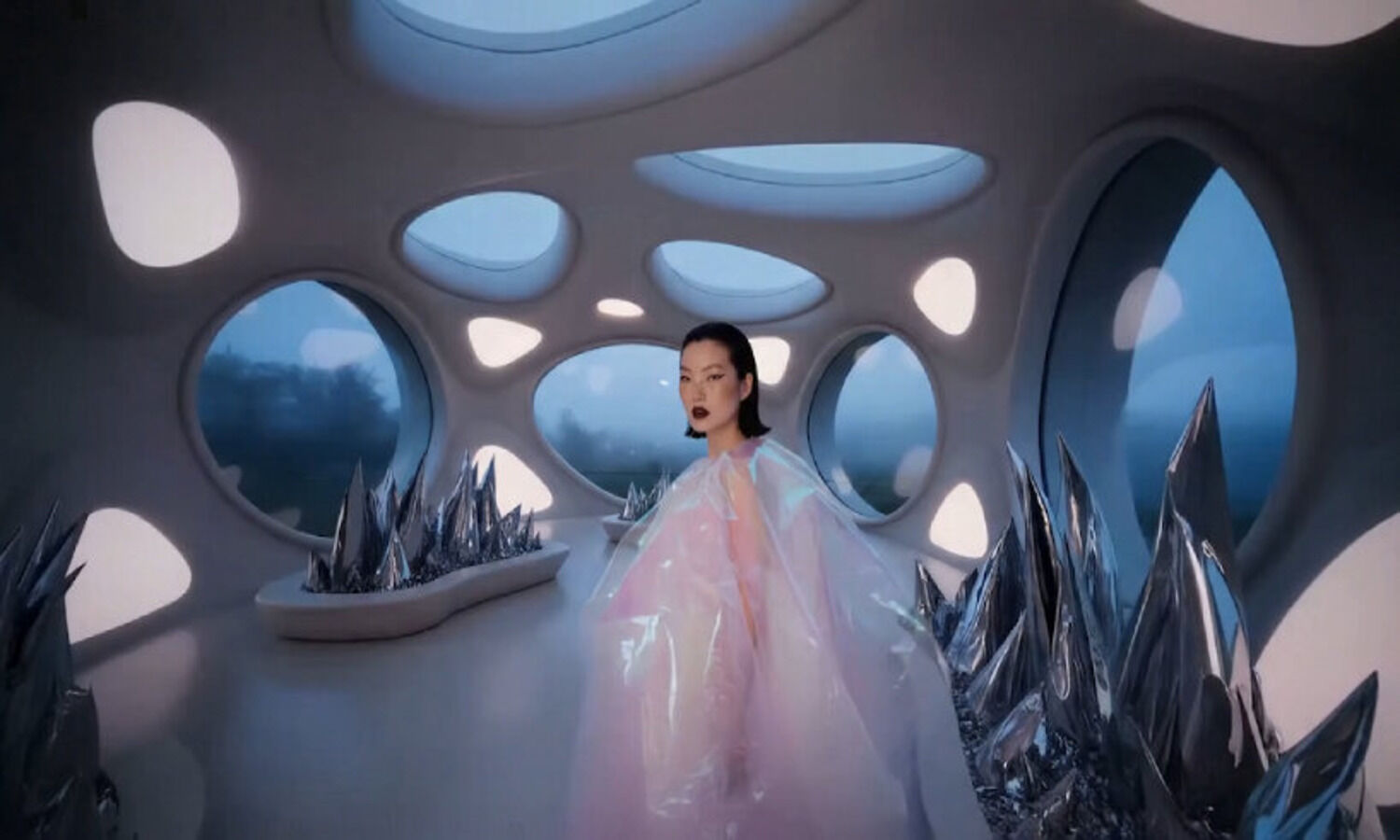
Google’s Veo 3 Ignites Social Media Frenzy with Hyperrealistic AI-Generated Videos
Google’s latest foray into the world of artificial intelligence, the Veo 3 model, has taken social media by storm, captivating users with its ability to generate astonishingly realistic videos. This cutting-edge technology has sparked a wave of creative content, from humorous skits to simulated news reports, blurring the lines between reality and fabrication and raising concerns about the potential for misinformation.
Veo 3’s remarkable capabilities have enabled users to conjure up videos that closely resemble real-world footage, creating a playground for imaginative scenarios. Examples range from fictional news anchors delivering outlandish pronouncements with unwavering seriousness to humorous depictions of improbable events, such as a feline coup d’état at Buckingham Palace. These AI-generated clips have quickly become a viral phenomenon, garnering millions of views and sparking widespread discussion about the future of video content creation and the ethical implications of such powerful tools.
One particularly striking example of Veo 3’s prowess involves a fabricated news report, which was widely shared on social media platform X (formerly Twitter). The video features a seemingly authentic British news anchor delivering a somber report about the sinking of a yacht owned by a fictitious individual, complete with convincing details about an orca attack. The sheer realism of the video left many viewers questioning the veracity of the information presented, highlighting the potential for AI-generated content to be misinterpreted as genuine news.
The response to Veo 3 on social media has been a mix of awe and apprehension. While some users marvel at the technological breakthrough, praising the model’s ability to produce high-fidelity visuals and sound, others express concern about the potential for misuse. Comments reflecting this anxiety have flooded online platforms, with some users warning of a looming “new world of misinformation” where discerning fact from fiction becomes increasingly challenging. The ease with which Veo 3 can create believable fake news clips has raised alarm bells, prompting calls for responsible use and the development of strategies to combat potential misinformation campaigns.
Veo 3’s official description emphasizes its advanced features, including support for 4K video output and the integration of realistic physics and audio elements. This allows creators to seamlessly incorporate sound effects, ambient noise, and dialogue directly within the generated videos, eliminating the need for external editing. The model’s improved accuracy in responding to user prompts, coupled with its ability to produce high-quality visuals and audio, represents a significant leap forward in AI-generated content creation.
However, the very capabilities that make Veo 3 so impressive also raise serious ethical considerations. The potential for malicious actors to exploit this technology for creating and disseminating disinformation is a significant concern. As AI-generated video content becomes increasingly sophisticated and indistinguishable from real footage, the risk of widespread deception and manipulation grows exponentially. The challenge lies in finding a balance between fostering innovation and mitigating the potential harms of such powerful tools. This necessitates ongoing dialogue and collaboration between developers, policymakers, and the public to ensure that AI technologies like Veo 3 are used responsibly and ethically. The future of online information consumption hinges on our ability to navigate this complex landscape and develop strategies to effectively identify and combat misinformation.