


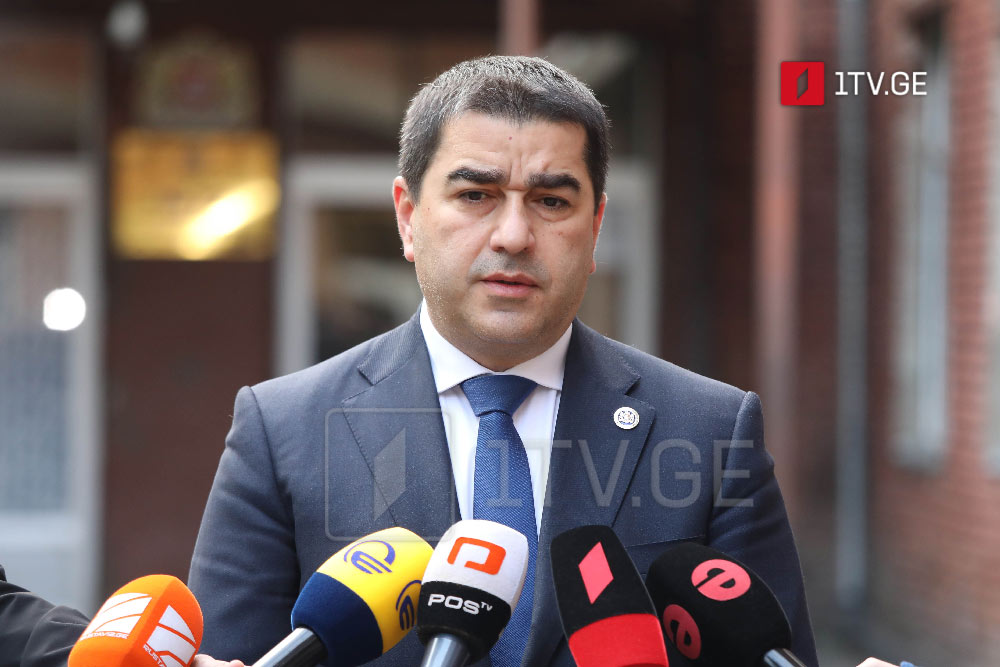
Georgian Parliament Speaker Accuses EU of Funding Disinformation and Political Violence
TBILISI – In a scathing critique of the European Union’s funding practices within Georgia, Parliament Speaker Shalva Papuashvili has accused the EU of financing disinformation campaigns, political violence, and hate speech. Papuashvili’s remarks, delivered in the wake of the EU Foreign Affairs Council meeting on June 23rd, represent a significant escalation in tensions between Georgia and the EU, raising concerns about the future of their relationship.
Papuashvili’s core contention is that while EU officials criticize Georgia’s alleged democratic backsliding, they simultaneously fund organizations within the country that actively engage in the very activities they condemn. He characterized these criticisms from EU ministers and commissioners as disinformation, arguing that EU representatives should be combating such practices rather than perpetuating them. He further asserted that "hatred, propaganda, and violence in Georgia are financed by sources stemming from the EU budget," a claim that has sent shockwaves through the political landscape.
The Speaker specifically highlighted the lack of condemnation from EU representatives, including the EU Ambassador to Georgia, regarding the alleged hate speech and violence perpetrated by EU-funded organizations. This silence, Papuashvili argues, effectively constitutes tacit approval and encouragement of these detrimental activities. He pointedly contrasted the EU’s approach with that of the United States, which he claimed had investigated and subsequently cancelled funding for organizations engaged in similar practices.
Papuashvili’s accusations come at a sensitive time in EU-Georgia relations. Georgia has long aspired to closer ties with the EU, including potential membership. However, recent political developments within Georgia, including concerns about judicial independence and media freedom, have strained this relationship. The EU has expressed reservations about Georgia’s progress on democratic reforms, while Georgian officials have accused the EU of applying double standards and interfering in its internal affairs.
The EU has yet to formally respond to Papuashvili’s accusations. However, if these allegations prove substantiated, they could have serious repercussions for EU funding programs in Georgia and further complicate the already delicate relationship between Brussels and Tbilisi. The EU will likely face pressure to investigate these claims thoroughly and transparently, potentially leading to a reassessment of its funding mechanisms and partnerships within the country.
The ongoing dispute raises broader questions about the effectiveness and oversight of EU foreign aid programs. Critics have long argued for greater transparency and accountability in the allocation and monitoring of such funds to ensure they are used for their intended purposes and do not inadvertently contribute to instability or undermine democratic processes. Papuashvili’s statements have brought these concerns to the forefront, highlighting the need for rigorous scrutiny of EU funding practices and a reevaluation of the EU’s approach to promoting democracy and human rights in partner countries. The future of EU-Georgia relations hinges on how effectively both sides address these complex and sensitive issues. A failure to do so could jeopardize Georgia’s European aspirations and further destabilize the region.