


Generation Z Declares Social Media More Harmful Than Beneficial, Fueling Calls for Tighter Regulations
A comprehensive survey of Generation Z reveals a growing sentiment that social media platforms are doing more harm than good, with nearly two-thirds of respondents aged 16 to 24 expressing this belief. The research, conducted by The New Britain Project and More in Common think tanks on behalf of the National Education Union, polled nearly 1,700 young people and unearthed a deep-seated concern about the evolving nature of online spaces. The majority of participants reported that social media platforms have become increasingly toxic, addictive, and less safe over the past five years. This alarming trend has ignited a heated debate about the need for stronger regulations and potential limitations on access, particularly for younger users.
The survey results come at a critical juncture, as MPs prepare to vote on the Safer Phones Bill, a private member’s bill aiming to implement stricter controls on social media access and usage. The bill’s proponents argue that the current regulatory landscape is insufficient to protect young people from the detrimental effects of excessive social media engagement. The findings of the poll provide powerful ammunition for those advocating for tighter regulations, highlighting the urgency of addressing the negative impacts these platforms have on young people’s mental health and overall well-being.
The research underscores the growing anxieties surrounding the pervasiveness of harmful content online, the addictive nature of social media platforms, and the potential for cyberbullying and online harassment. Young people reported feeling overwhelmed by the constant barrage of information and the pressure to maintain a perfect online persona, contributing to increased levels of anxiety and depression. Furthermore, the study revealed concerns about the spread of misinformation and the erosion of trust in traditional sources of information. This decline in trust poses a significant challenge to democratic processes and societal cohesion, as young people struggle to differentiate between credible and unreliable information online.
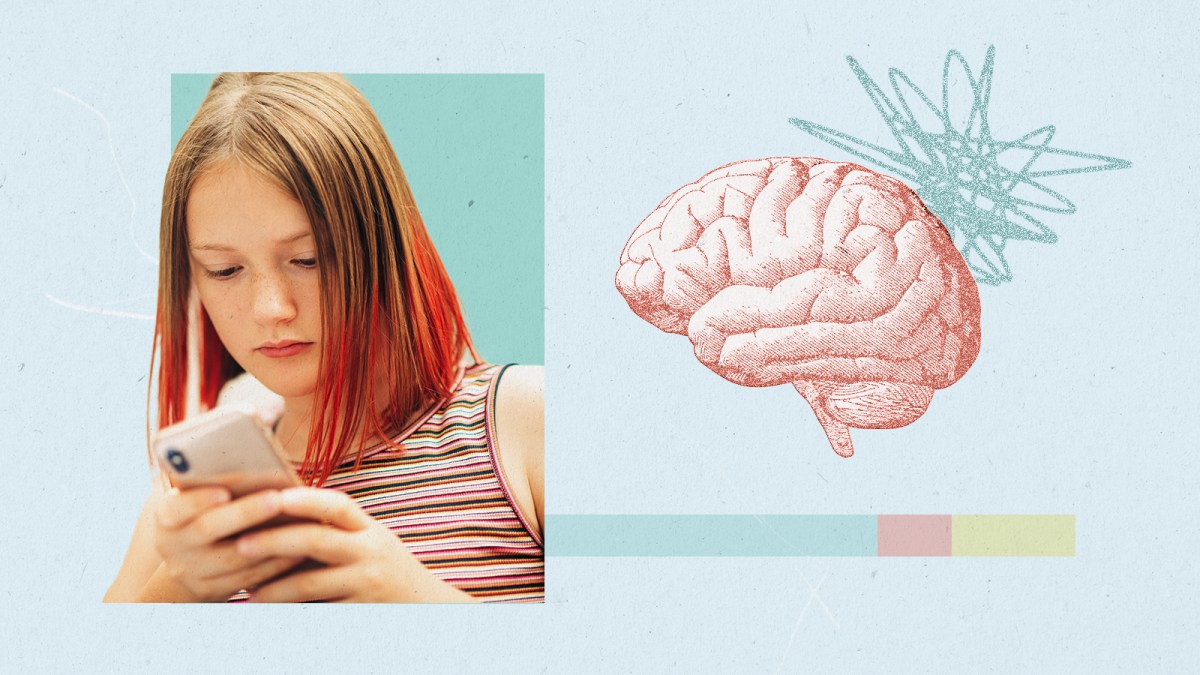
The prevalence of online addiction is another key concern highlighted by the study. Many respondents admitted feeling compelled to constantly check their social media feeds, leading to sleep deprivation, decreased productivity, and a diminished ability to focus on real-world interactions. This addictive nature of social media is particularly concerning given its impact on young people’s developing brains, raising fears about long-term consequences for their cognitive and emotional development. The survey results underscore the need for greater awareness of the addictive potential of these platforms and the development of strategies to promote healthy online habits.
Among the negative influences on teenagers’ mental health, social media ranked highest according to the respondents. This finding highlights the pervasive nature of online negativity and its detrimental impact on young people’s emotional well-being. The constant exposure to curated and often unrealistic portrayals of others’ lives can lead to feelings of inadequacy, low self-esteem, and body image issues. Furthermore, the anonymity afforded by online platforms can embolden cyberbullies and trolls, creating a hostile environment for many young users. The survey results emphasize the crucial role of schools, parents, and social media companies in educating young people about the potential risks of online interactions and providing support to those experiencing cyberbullying or online harassment.
The findings of this comprehensive survey paint a stark picture of the challenges facing young people in the digital age. The growing perception that social media is doing more harm than good, coupled with the widespread anxieties surrounding online addiction, harmful content, and cyberbullying, demands urgent action from policymakers, tech companies, and educators. The upcoming vote on the Safer Phones Bill represents a crucial opportunity to implement stricter regulations and safeguards to protect young people from the detrimental effects of excessive social media use. Moving forward, a multi-pronged approach involving educational initiatives, parental guidance, and industry self-regulation will be essential to fostering a healthier and more positive online environment for future generations. The challenge now lies in harnessing the power of technology for good while mitigating its potential harms, ensuring that young people can navigate the digital world safely and confidently.