


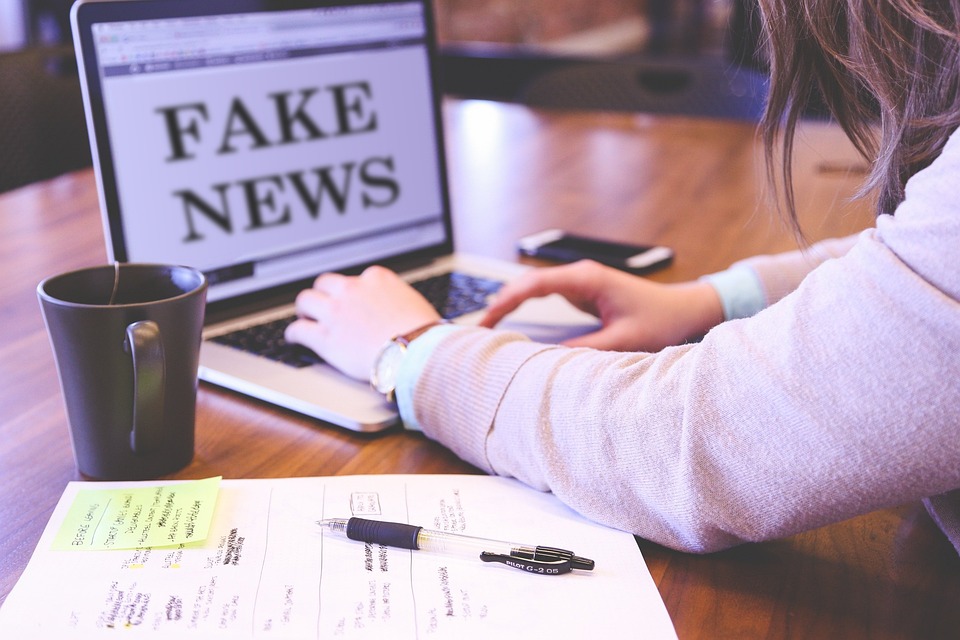
Navigating the Maze of Misinformation: How to Identify and Combat False Information
In today’s digitally driven world, we’re bombarded with information from countless sources. While this access can be empowering, it also presents a significant challenge: the rapid spread of misinformation. General misinformation, defined as false or inaccurate information that is spread, regardless of intent to deceive, can have serious consequences, impacting everything from public health decisions to political discourse. Understanding how to identify and combat misinformation is crucial for navigating the modern information landscape. This article will provide you with practical tools and strategies to help you become a more discerning consumer of information and contribute to a more informed society.
Keywords: Misinformation, Disinformation, Fake news, Fact-checking, Media literacy, Critical thinking, Information literacy, Online safety, Digital literacy, Source credibility
Identifying the Red Flags: Spotting Misinformation Tactics
One of the first steps in combating misinformation is learning to recognize common tactics used to spread it. These tactics can be subtle and often prey on our emotions and biases. Look out for the following red flags:
- Emotional language: Does the information evoke strong emotions like fear, anger, or excitement? While these emotions are natural, overly sensationalized content can be a sign of misinformation designed to manipulate your feelings.
- Lack of credible sources: Is the information supported by evidence from reputable sources? Be wary of anonymous sources, blogs with a clear bias, or websites lacking contact information. Look for information backed by established news organizations, academic institutions, or government agencies.
- Inconsistencies and contradictions: Does the information contradict itself or conflict with information from trusted sources? Pay attention to internal inconsistencies and cross-reference information with reputable sources to verify its accuracy.
- Visual manipulation: Images and videos can be easily manipulated. Be skeptical of photos and videos that seem too perfect or lack context. Conduct reverse image searches to verify the authenticity of visual content.
- Echo chambers: Are you only seeing information that confirms your existing beliefs? Be aware of the "echo chamber" effect, where algorithms and social networks can reinforce pre-existing biases. Actively seek out diverse perspectives and challenge your own assumptions.
Keywords: Misinformation tactics, Emotional manipulation, Credible sources, Fact-checking tools, Reverse image search, Confirmation bias, Echo chambers, Propaganda, Misleading information
Taking Action: Combating the Spread of Misinformation
Once you’ve learned to identify misinformation, you can take proactive steps to combat its spread. Here are some effective strategies:
- Fact-check before you share: Don’t automatically share information that seems intriguing or shocking. Take a moment to verify its accuracy using reputable fact-checking websites like Snopes, PolitiFact, or FactCheck.org.
- Be a responsible sharer: If you encounter misinformation, consider reporting it to the platform where it was shared. Avoid engaging in arguments or spreading the misinformation further, even to debunk it, as this can inadvertently increase its visibility.
- Promote media literacy: Encourage friends and family to develop critical thinking skills and become more discerning consumers of information. Share resources on fact-checking and media literacy.
- Support quality journalism: Reliable journalism plays a crucial role in combating misinformation. Consider subscribing to or donating to reputable news organizations.
- Be skeptical, but not cynical: While it’s important to be critical of the information you encounter, avoid becoming overly cynical or distrustful of all information sources. Focus on developing your critical thinking skills and evaluating information based on evidence and credibility.
Keywords: Fact-checking, Media literacy education, Critical thinking skills, Responsible social media use, Combating misinformation online, Digital citizenship, Information verification, Source evaluation, News literacy
By developing these critical thinking skills and employing these strategies, we can all contribute to a more informed and resilient information ecosystem. The fight against misinformation is an ongoing effort, but by working together, we can navigate the maze of misinformation and promote a more truthful and informed society.